Indian Chutney and Kitchen Secrets: March 2025 Archive
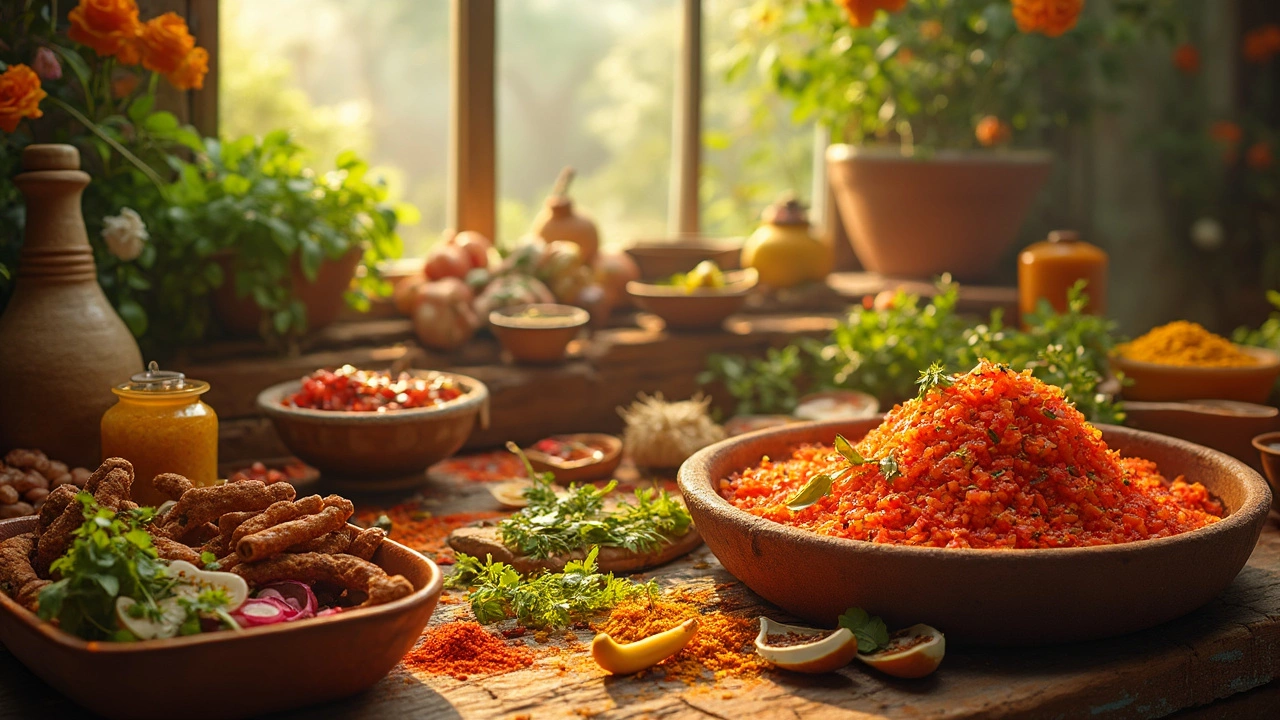
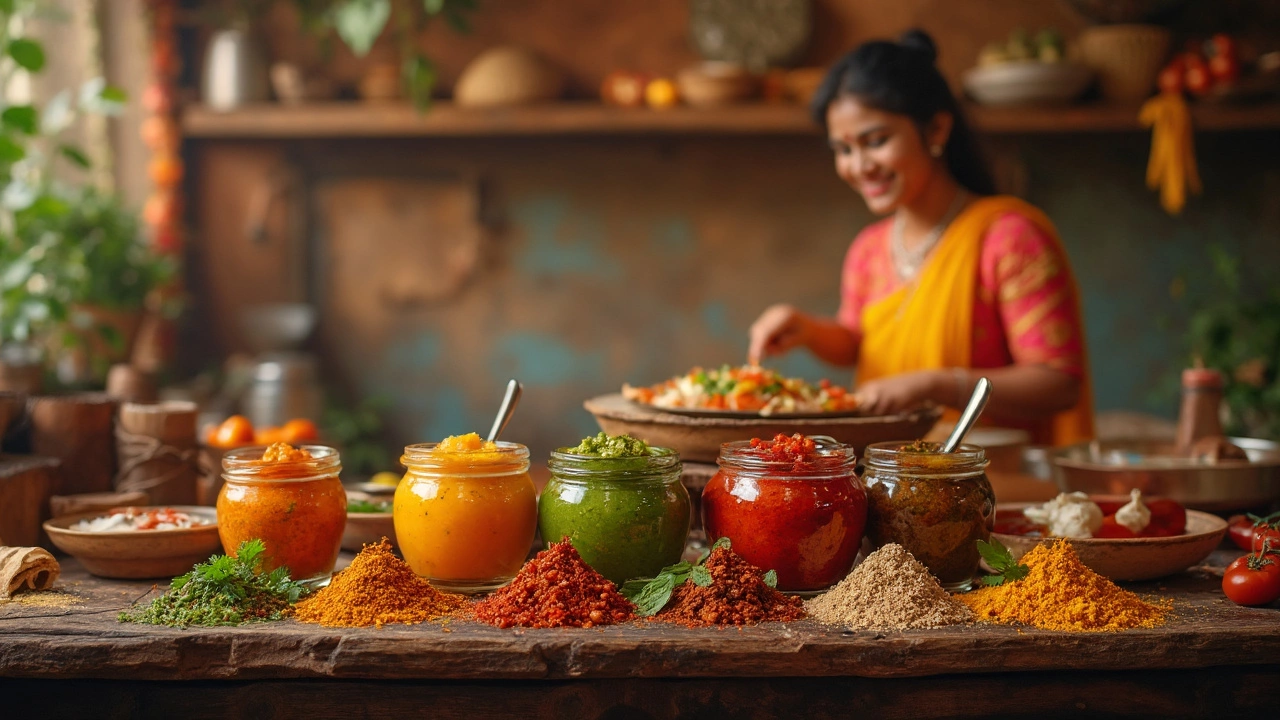
When you think of Indian chutney, a vibrant, spiced condiment that transforms meals from ordinary to unforgettable. Also known as chatni, it's not just a side—it's the soul of Indian meals, whether paired with samosas, biryani, or plain rice. This month’s collection dives deep into how chutney works, why lid-on or lid-off matters while cooking it, and how it compares to American relishes and salsa. You’ll find out why some chutneys stay bright and tangy while others turn thick and sweet—and how to use them better in your own kitchen.
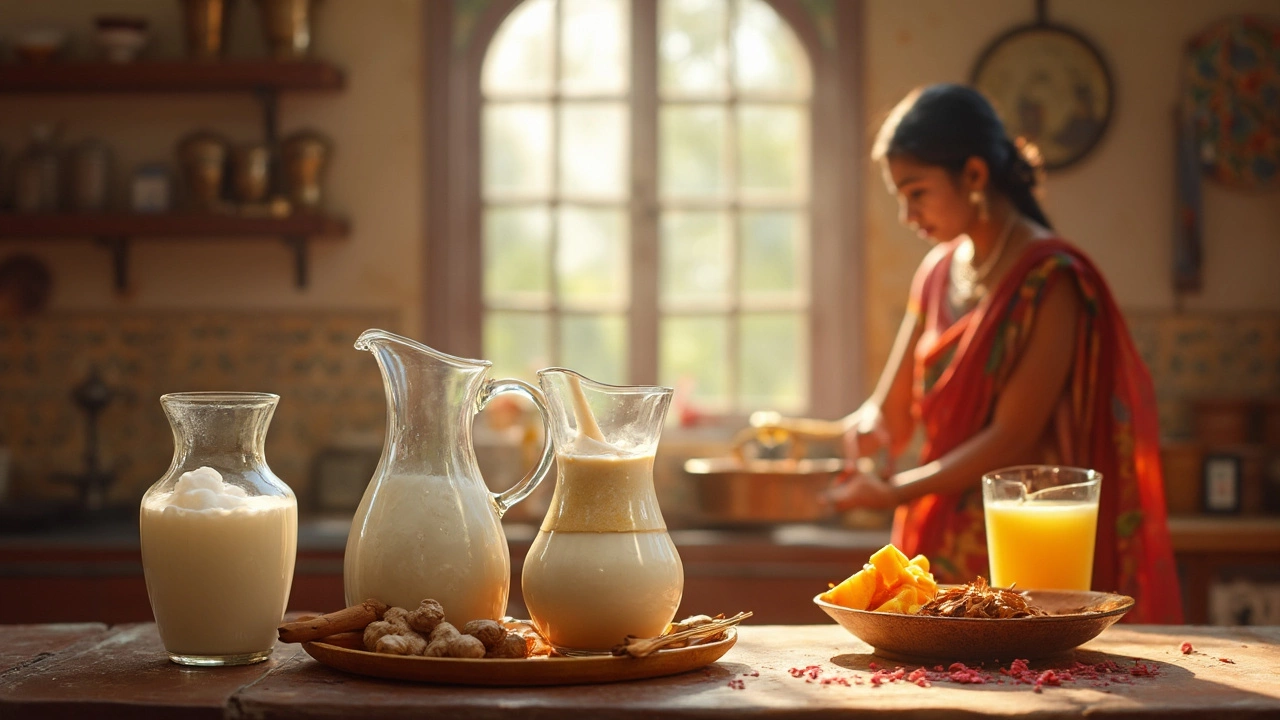
But chutney isn’t the only star. Indian milk choices, from creamy buffalo milk to rare camel milk, shape everything from lassi to paneer—and that’s why we explored what kind of milk you should use for different dishes. Then there’s whey, the leftover liquid from making paneer or cheese, often thrown away but packed with protein and minerals. Did you know you can drink it, use it in dough, or even water your plants? We break down how to stop wasting it. And if you’ve ever wondered if those two-year-old jalebis are still safe, we’ve got the truth about Indian sweets and expiry dates—no guesswork, just facts.
It’s not all condiments and dairy. You’ll find out what makes chicken curry taste deeper, why naan might not be junk food after all, and how simple snacks like roasted chana can calm stomach acid. We even look at the word for sugar in Hindi—cheeni—and why it’s more than just sweetness; it’s celebration in every bite. The posts here aren’t theory. They’re from real kitchens, tested by home cooks who want flavor without fuss.
What ties all this together? A simple idea: Indian cooking isn’t about complicated steps. It’s about understanding ingredients, knowing when to cover the pot, and using what you already have better. Whether you’re making chutney, choosing milk, or deciding if that leftover whey is worth keeping, the answers are right here. No fluff. No jargon. Just what works.