Best Rice for Dosa Batter in the USA: Simple Guide for Perfect Crispy Dosa
 Dec, 1 2025
Getting the right rice for dosa batter is the difference between a crisp, golden dosa that snaps when you bite into it, and a sticky, chewy mess that sticks to the pan. If you’re in the USA and trying to make authentic dosa, you’ve probably noticed that the rice you find at your local grocery store doesn’t behave the same way as it does in India. That’s because not all rice is created equal when it comes to fermentation and texture. The right rice makes the batter light, airy, and perfectly fermentable. The wrong rice? It turns into glue.
Why rice choice matters for dosa batter
Dosa batter isn’t just rice and urad dal mixed together. It’s a living culture. The fermentation process depends on the starch structure of the rice. Rice with high amylose content ferments slowly and evenly, giving the batter structure and lift. Rice with too much amylopectin? It turns slimy, doesn’t rise well, and your dosa turns out soft instead of crispy.
Traditional South Indian dosa recipes use parboiled idli rice or dosa rice - a short-grain, medium-starch variety that’s been steam-cooked and dried before milling. This process changes the starch gelatinization, making it ideal for fermentation. In the USA, you won’t find this labeled as “dosa rice” at Walmart. But you can find close substitutes.
Best rice options for dosa batter in the USA
Here are the top three rice types you can actually find in the USA that work well for dosa batter:
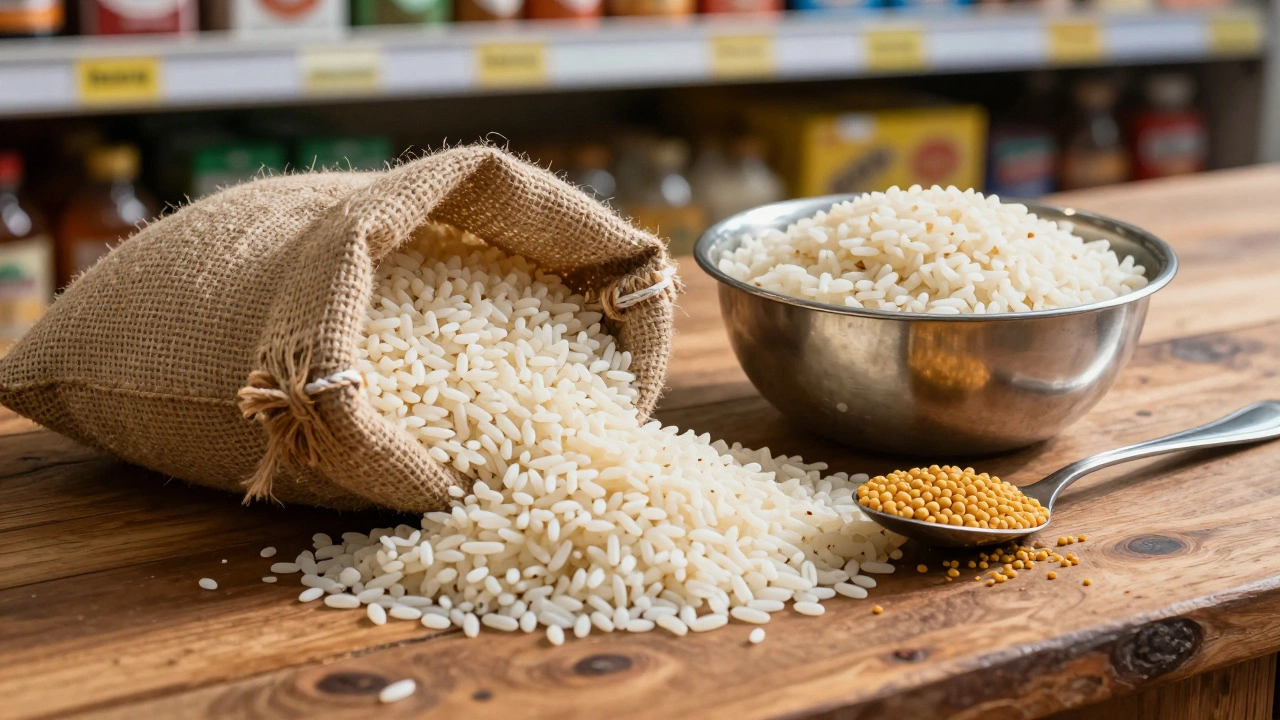
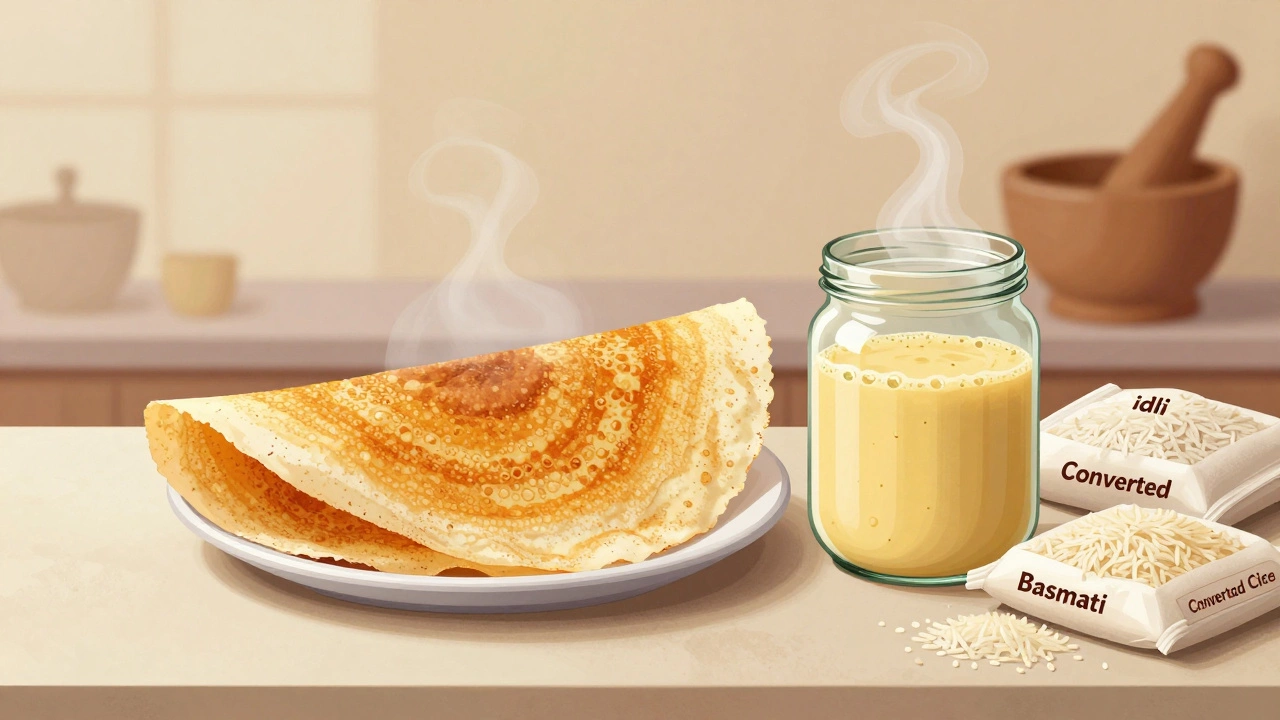
- Idli rice - This is your #1 choice. It’s a short-grain, parboiled rice sold in Indian grocery stores under brands like Kohinoor, Annapurna, or 24 Mantra. It’s specifically processed for idli and dosa. The grains are slightly cracked, which helps with soaking and grinding. It ferments reliably and gives you that signature crisp edge.
- Converted white rice - If you can’t find idli rice, use converted (parboiled) white rice. It’s labeled as “converted” or “parboiled” on the bag. Brands like Uncle Ben’s or Mahatma have it in the rice aisle. It’s not perfect, but it’s the closest thing you’ll find at a regular supermarket. Avoid instant or minute rice - they’re too processed and won’t ferment.
- Basmati rice (as a last resort) - Basmati has high amylose, so it ferments well, but it’s long-grain and doesn’t produce the same sticky texture needed for smooth batter. If you use it, mix it 50/50 with idli rice or converted rice. Using 100% basmati will give you a grainy, crumbly dosa that doesn’t spread well.
Don’t use jasmine rice, brown rice, or sushi rice. Jasmine is too fragrant and sticky. Brown rice doesn’t ferment cleanly and adds a gritty texture. Sushi rice is too starchy and turns the batter gummy.
Where to buy the right rice in the USA
You don’t need to order online if you live near a city with an Indian community. Most Indian grocery stores carry idli rice in 5-pound or 10-pound bags for under $5. Look for brands like:
- Kohinoor Idli Rice
- Annapurna Idli Rice
- 24 Mantra Organic Idli Rice
- SRM Idli Rice
If you’re in a smaller town, check Asian grocery stores - they sometimes stock parboiled rice labeled as “Thai converted rice” or “boiled rice.” The packaging might say “for idli” or “for steamed rice cakes.” If in doubt, ask the store owner. Most will know exactly what you need.
Amazon and Walmart also sell idli rice, but prices are higher and shipping can take time. For regular dosa-making, a bulk bag from a local Indian store is the smarter buy.
What to avoid
Here’s what never works for dosa batter:
- Instant rice - Pre-cooked and dried. It breaks down too fast and won’t ferment.
- Brown rice - Too much fiber. Ferments unevenly, gives a gritty texture.
- Glutinous rice (sticky rice) - Used for mochi, not dosa. Makes batter too thick and chewy.
- Wild rice - Too hard. Won’t grind smooth. Adds bitterness.
- Flour or rice flour - Don’t substitute. You need whole grains for fermentation.
One common mistake: people think “any white rice” will do. But regular long-grain white rice (like Jasmine or Basmati) lacks the starch structure needed for proper fermentation. The batter won’t rise as much, and your dosa will be flat and rubbery.
Pro tip: Mixing rice for better results
If you only have converted rice on hand, try mixing it with a small amount of raw white rice (about 10-15%) to improve fermentation. The raw rice adds enzymes that help the batter rise faster. Or add 1 tablespoon of fenugreek seeds (methi) to the urad dal before soaking - it boosts fermentation and gives a slight sweetness to the dosa.
Also, soak the rice for at least 4-6 hours. Don’t rush it. If you’re short on time, use warm water (not hot) to soak the rice. Cold water slows down the natural bacteria that make the batter fluffy.
How to test if your rice is right
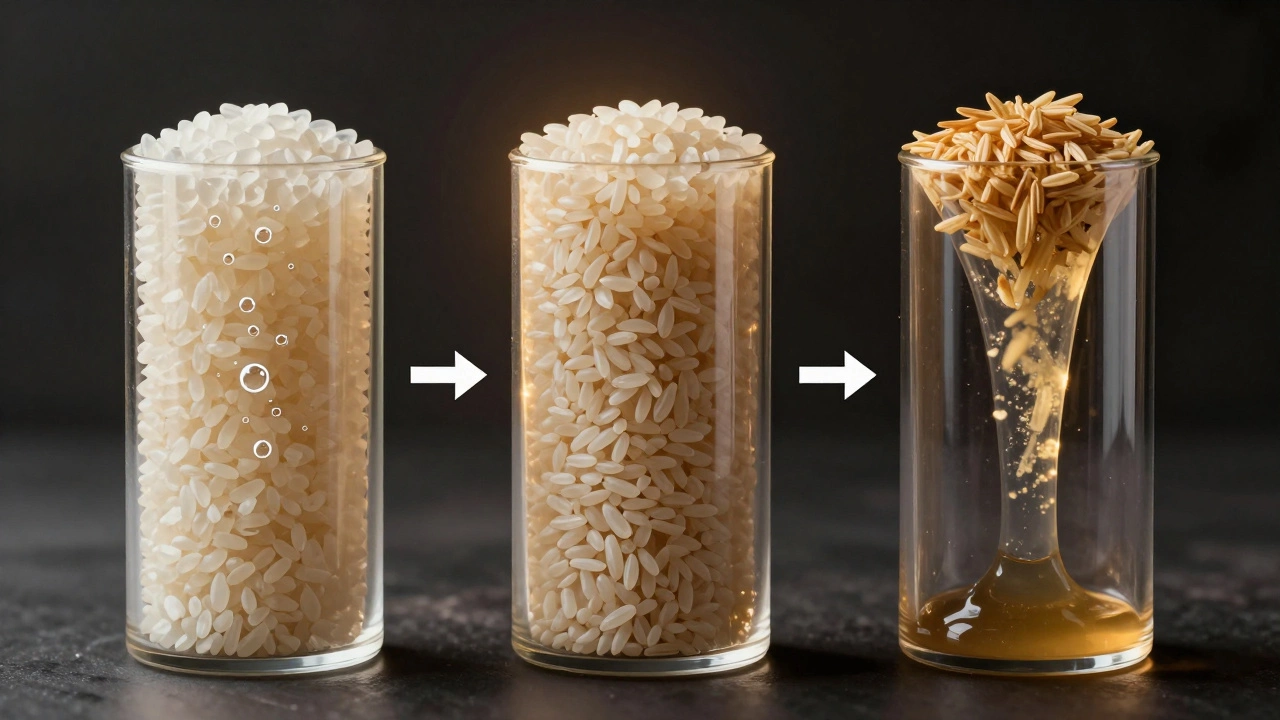
After grinding and fermenting your batter overnight, look for these signs:
- The batter has doubled in volume.
- It smells slightly sour, like yogurt - not rotten.
- When you lift a spoon, the batter drips slowly and leaves a trail.
- When you pour it on the hot tawa, it spreads easily without being too thin or too thick.
If the batter doesn’t rise, smells off, or stays thick and gloopy, your rice is the problem. Switch to idli rice or converted rice next time.
Why store-bought dosa mix doesn’t always work
Many people in the USA buy pre-mixed dosa batter from the store. It’s convenient, but often made with rice flour or additives to speed up fermentation. The result? Dosa that’s flat, lacks crispness, and doesn’t taste authentic. Plus, they often contain preservatives or flavorings you don’t want.
Homemade batter with the right rice tastes better, costs less, and gives you control. You can adjust the water, salt, and fermentation time to match your kitchen’s temperature. In winter, when your kitchen is cool, you might need to ferment the batter near a warm oven or with a heating pad. The rice matters, but so does the environment.
Final tip: Keep a backup bag
Once you find a rice that works, buy two bags. Stock up. Indian grocery stores change inventory fast. One day it’s there, the next it’s gone. Don’t wait until you’re out of batter to realize you can’t find the same rice again.
Stick with idli rice or converted white rice. Use the right ratio - 3 parts rice to 1 part urad dal. Soak properly. Grind smooth. Ferment overnight. You’ll get dosa that’s crispy on the outside, soft inside, and smells like the street vendors in Chennai.
Can I use basmati rice for dosa batter?
You can, but it’s not ideal. Basmati rice is long-grain and high in amylose, so it ferments okay, but it doesn’t create the sticky texture needed for smooth batter. If you use it, mix it 50/50 with idli rice or converted rice. Using 100% basmati will give you a grainy, crumbly dosa that doesn’t spread well on the pan.
Where can I buy idli rice in the USA?
Look in Indian grocery stores - they sell it in 5- or 10-pound bags under brands like Kohinoor, Annapurna, or 24 Mantra. If you’re in a smaller town, check Asian grocery stores or order online from Amazon. Avoid regular white rice - it won’t ferment the same way.
Why is my dosa batter not fermenting?
Most likely, your rice isn’t right. Regular white rice or instant rice won’t ferment properly. Also, check your temperature - batter needs at least 75°F (24°C) to ferment. In cold kitchens, place the bowl near a warm oven or use a heating pad. Adding fenugreek seeds to the urad dal helps too.
Can I use brown rice for dosa batter?
No. Brown rice has too much fiber and bran, which interferes with fermentation and makes the batter gritty. It also takes longer to grind and doesn’t produce the smooth, airy texture needed for crispy dosa. Stick to white parboiled rice.
How long should I soak the rice for dosa batter?
Soak the rice for at least 4 to 6 hours. If you’re in a hurry, use warm water (not hot) to speed up absorption. Never soak it for more than 12 hours - it can start to spoil. Always soak rice and urad dal separately, then grind them together.
Getting the right rice is the first step to perfect dosa. Once you nail that, the rest - grinding, fermenting, cooking - becomes easy. Don’t settle for whatever rice is on sale. Your dosa deserves better.
