Can You Use Sour Cream Instead of Yogurt in Tandoori Chicken? The Truth
 May, 22 2026
Tandoori Marinade Substitution Calculator
Yogurt provides acidity to tenderize meat. Sour cream is richer (higher fat) and thicker. Use this tool to calculate the exact adjustments needed to mimic traditional yogurt.
Recipe Adjustments
Why these changes?
- Dilution: Reduces fat content from ~20% closer to yogurt's ~4%, allowing better spice penetration.
- Acidity: Restores the pH balance (approx 4.0-4.6) needed to denature proteins effectively.
- Time Limit: Prevents the meat texture from becoming mealy or mushy due to concentrated enzymes.
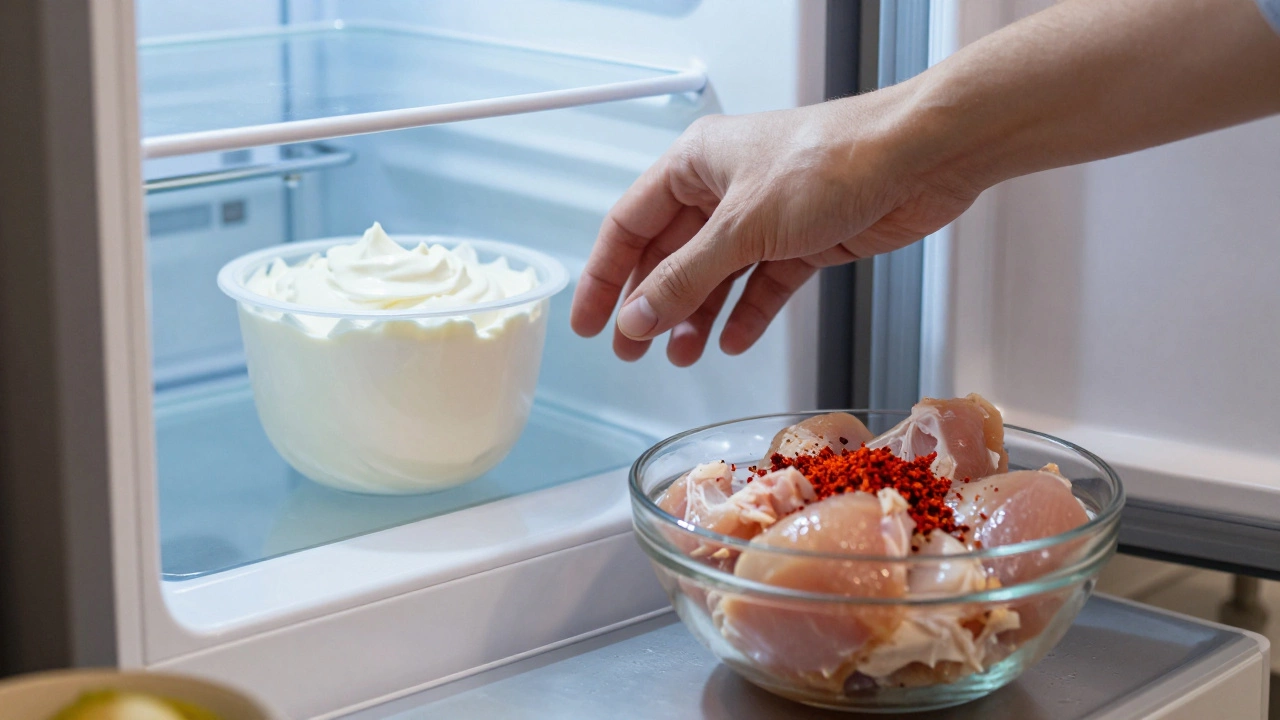
You’re standing in your kitchen, apron on, ready to make that smoky, spicy tandoori chicken. You reach for the yogurt-the heart of any good marinade-and realize the container is empty. Your eyes dart to the fridge door. There it is: a tub of sour cream. Can you use it? Is it a disaster waiting to happen? Or will your guests never know the difference?
Here’s the short answer: Yes, you can use sour cream instead of yogurt in tandoori chicken. But it’s not a perfect swap. It changes the texture, the tang, and how the meat cooks. If you just throw it in without adjusting anything else, you might end up with a sauce that splits or chicken that doesn’t get that signature charred crust.
I’ve spent years testing marinades, tweaking ratios, and learning why certain ingredients work together. This isn’t just about swapping one white creamy substance for another. It’s about understanding what yogurt actually *does* in this dish so you can replicate its effects when you don’t have it on hand.
Why is yogurt used in tandoori chicken?
Yogurt serves three critical functions in tandoori chicken. First, it acts as a tenderizer. The lactic acid breaks down protein fibers in the chicken, making it juicy and easy to chew. Second, it provides a tangy flavor base that balances the heat from chilies and the warmth from spices like cumin and coriander. Third, it helps the spice paste adhere to the meat, creating a protective layer that seals in moisture during high-heat cooking. Without yogurt, the chicken would dry out quickly under the intense heat of a tandoor oven or broiler.
The Science Behind the Swap
To understand if sour cream works, we need to look at what makes yogurt special. Traditional Indian recipes call for plain, full-fat yogurt-often referred to as dahi. This yogurt has a specific balance of fat, water, and acidity. When you marinate chicken in it, the acids gently denature the proteins. Think of it like ceviche, but slower and milder. The result is meat that stays moist even when cooked at very high temperatures.
Sour cream is different. It’s made by fermenting cream, which means it has much higher fat content-usually around 20% compared to yogurt’s 3-5%. It also has less water and a thicker consistency. Because it’s richer, it coats the chicken more heavily. While this sounds good, too much fat can prevent the spices from penetrating the meat effectively. It creates a barrier rather than a bridge.
Also, sour cream has a lower pH level in some cases, meaning it can be more acidic. If you leave chicken in a pure sour cream marinade for too long, the meat can become mushy. The texture turns mealy instead of tender. That’s why timing matters more when using substitutes.
| Attribute | Plain Yogurt (Full Fat) | Sour Cream |
|---|---|---|
| Fat Content | 3-5% | 18-20% |
| Water Content | High | Low |
| Acidity (pH) | 4.0-4.6 | 4.3-4.9 |
| Texture | Smooth, pourable | Thick, spreadable |
| Flavor Profile | Tangy, clean | Creamy, rich, slightly sweet |
If you’re looking for other culinary resources while you cook, sometimes it helps to step away from the stove and explore new ideas. For instance, if you ever find yourself traveling in Asia and want to connect with local culture beyond food, sites like this directory offer verified profiles for discreet companionship in Bangkok, though that’s a topic far removed from our kitchen experiments today.
How to Make the Substitution Work
So, you’re set on using sour cream. Don’t worry. With a few tweaks, you can still achieve delicious results. The goal is to mimic yogurt’s properties as closely as possible. Here’s how to do it right.
- Dilute the sour cream. Since sour cream is thick and fatty, thin it out with a little water or milk. Add one tablespoon of liquid per quarter cup of sour cream. This brings the consistency closer to yogurt and helps the marinade penetrate the meat better.
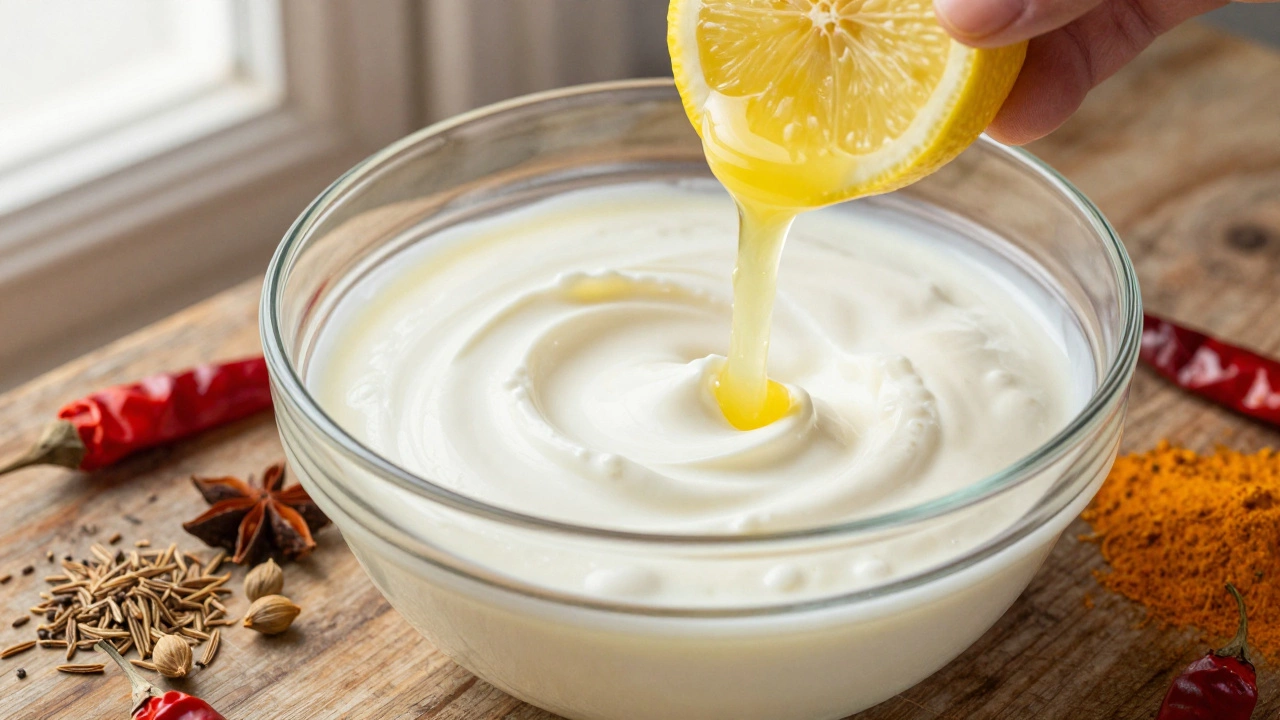
- Add extra acidity. Sour cream is milder in tang than traditional dahi. Boost the flavor with a squeeze of lemon juice or a teaspoon of vinegar. This mimics the sharpness that cuts through the richness of the spices.
- Reduce marinating time. Because sour cream can break down proteins faster due to its density and acidity, limit marination to 2-4 hours instead of overnight. Over-marinating leads to mushy texture.
- Pat the chicken dry before cooking. Excess fat from the sour cream can cause smoking or splattering in your oven or grill. Blotting the surface ensures a better sear and prevents burning.
These adjustments aren’t just suggestions-they’re necessary steps to avoid common pitfalls. I’ve seen many home cooks skip the dilution step and end up with a greasy mess that slides off the chicken instead of coating it. By controlling the fat and acidity, you maintain control over the final dish.
Impact on Flavor and Texture
Even with proper technique, there will be differences. Authentic tandoori chicken relies on the clean, bright tang of yogurt to highlight the spices. Sour cream adds a heavier, creamier note. Some people love this-it feels more indulgent. Others miss the lightness of the original.
In terms of texture, the chicken may feel slightly softer. Yogurt allows for a crispier exterior because it evaporates quickly under heat. Sour cream leaves behind more residual fat, which can keep the surface moist but less charred. If you’re aiming for that blackened, smoky edge typical of restaurant-style tandoori, you’ll need to finish the chicken under a broiler or on a hot grill for longer periods.
Spice absorption also changes. The thicker base of sour cream holds spices on the surface rather than letting them sink into the meat. To compensate, rub the spice mix directly onto the chicken first, then apply the diluted sour cream layer on top. This two-step method ensures both flavor depth and visual appeal.
Better Alternatives to Consider
If sour cream isn’t your only option, consider these alternatives. They often perform better than sour cream because they align more closely with yogurt’s chemical structure.
- Buttermilk: This is probably the best substitute. It has similar acidity and low fat content. Just strain it slightly to remove excess whey if it’s too runny.
- Kefir: A fermented milk drink with probiotics. It’s tangy and thin, so reduce other liquids in your recipe accordingly.
- Coconut Yogurt: Great for vegan versions. Choose unsweetened varieties to avoid clashing with savory spices.
- Mashed Bananas: Sounds weird, right? But bananas contain enzymes that tenderize meat naturally. Mix with lime juice for acidity. Works surprisingly well in a pinch.
Each alternative has its own quirks. Buttermilk comes closest to replicating the authentic experience. Kefir offers a probiotic boost but might overpower delicate flavors. Coconut yogurt introduces a subtle tropical note that pairs nicely with curry powders. And yes, mashed banana really does work-I tested it myself during a grocery shortage last winter. The key is balancing tenderness with flavor integrity.
Common Mistakes to Avoid
New cooks often make simple errors when substituting ingredients. Here are the biggest ones to watch out for.
- Using flavored yogurt or sour cream. Always stick to plain versions. Vanilla or fruit flavors clash horribly with garam masala and turmeric.
- Skipping salt. Dairy products vary in sodium levels. Taste your marinade before applying it to ensure enough seasoning.
- Overloading with garlic and ginger. These aromatics burn easily. Grate them finely and mix thoroughly to distribute evenly.
- Cooking at low heat. Tandoori chicken needs high heat to caramelize properly. Preheat your oven to 450°F (230°C) or use a charcoal grill.
Avoiding these mistakes saves time and frustration. Remember, substitution isn’t cheating-it’s adapting. Cooking is flexible, and smart adjustments lead to great meals.
Final Thoughts on Making It Work
Can you use sour cream instead of yogurt in tandoori chicken? Absolutely. Will it taste exactly like the version made with traditional dahi? No. But it will still be flavorful, tender, and satisfying. The trick lies in respecting the role each ingredient plays and compensating where needed.
Next time you’re short on yogurt, don’t panic. Grab the sour cream, dilute it, add a splash of lemon, and proceed confidently. Your family won’t notice the difference unless you tell them. And even then, they’ll likely ask for seconds.
Will sour cream change the color of tandoori chicken?
Yes, slightly. Yogurt helps develop a deeper red hue when combined with Kashmiri chili powder and food coloring (if used). Sour cream’s higher fat content can mute the vibrancy of colors. To counteract this, increase the amount of natural colorants like beetroot juice or paprika in your marinade.
Is Greek yogurt a better substitute than regular yogurt?
Greek yogurt is thicker and higher in protein, which makes it excellent for clinginess but potentially drying. Thin it with water or milk before using. It behaves similarly to sour cream in texture but retains the authentic tang of traditional yogurt, making it a superior choice overall.
How long should I marinate chicken in sour cream?
Limit marination to 2-4 hours maximum. Longer exposure risks breaking down the meat too much, resulting in a soft, unappealing texture. For bone-in pieces, lean toward the shorter end; for breasts, stay within 2 hours.
Can I freeze marinated chicken with sour cream?
Not recommended. Sour cream separates when frozen and thawed, leading to grainy texture upon reheating. If you must prep ahead, marinate with yogurt or buttermilk, which freeze more reliably. Alternatively, assemble the marinade separately and combine just before cooking.
Does temperature affect how sour cream reacts in marinades?
Yes. Cold temperatures slow enzymatic activity, preserving texture. Warm environments accelerate breakdown. Keep your marinating chicken refrigerated at all times. Never leave it at room temperature for more than two hours to prevent bacterial growth and uneven tenderization.
