Chutney Downsides: Health Risks and Practical Drawbacks
 Oct, 6 2026
Chutney Health Risk Checker
Select your chutney type and consumption frequency to see potential health impacts.
Primary Concerns
Mitigation Strategies
You love the tangy kick of mint chutney or the sweet heat of tamarind sauce. It makes every dosa, samosa, or sandwich taste better. But have you ever stopped to read the label on that jar? Or thought about what happens when you eat it daily? Most people assume chutney is a healthy condiment because it’s made from herbs and fruits. That assumption can be wrong. While fresh chutney has benefits, store-bought versions and even some homemade recipes carry hidden downsides. You might be consuming too much sugar, salt, or preservatives without realizing it. This guide breaks down the real disadvantages of chutney so you can enjoy your food without compromising your health.
The Hidden Sugar Trap in Fruit Chutneys
Let’s start with the most common misconception: fruit chutneys are healthy snacks. They aren’t. Many commercial brands add massive amounts of sugar to balance the acidity of tamarind or mango. A single tablespoon of mango chutney can contain as much sugar as a candy bar. For diabetics or anyone watching their blood glucose levels, this is a serious issue. The glycemic index of these sugary sauces spikes quickly after consumption.
Why do manufacturers do this? Because natural fruit sugars often aren’t enough to mask the sourness. They use refined white sugar or corn syrup instead. If you’re trying to lose weight, those empty calories add up fast. You might think you’re eating a light accompaniment, but you’re actually loading up on simple carbohydrates. Always check the ingredient list. If sugar appears in the first three ingredients, put the jar back on the shelf.
Sodium Overload and Blood Pressure Concerns
Salt is another silent culprit. Coconut chutney, especially the roasted variety, often relies heavily on salt for flavor preservation. In many traditional recipes, salt isn’t just a seasoning; it’s a key component of the texture and taste profile. However, excessive sodium intake is directly linked to high blood pressure and heart disease.
Consider this: one serving of store-bought pickle-style chutney can provide 15-20% of your daily recommended sodium limit. Now multiply that by the number of meals you eat with chutney per week. It gets risky. People with hypertension need to be extra careful here. Even if you make chutney at home, remember that dried fruits like dates or raisins used in some blends already contain natural sodium. Adding table salt pushes the numbers higher than you expect.
Preservatives and Chemical Additives
Fresh chutney spoils quickly. To extend shelf life, manufacturers use chemical preservatives. Common ones include sodium benzoate and potassium sorbate. While these are generally recognized as safe in small amounts, long-term exposure raises concerns. Some studies suggest links between certain preservatives and hyperactivity in children or allergic reactions in sensitive adults.
Moreover, artificial colors are often added to make green chutney look vibrant or red chutney appear more appetizing. These synthetic dyes offer zero nutritional value. If you buy chutney from unbranded street vendors, hygiene standards vary wildly. You risk bacterial contamination if the product hasn’t been stored correctly. Refrigeration is mandatory for fresh chutneys, yet many stalls leave them out in the heat all day. That’s a breeding ground for bacteria like E. coli.
Digestive Discomfort and Spice Sensitivity
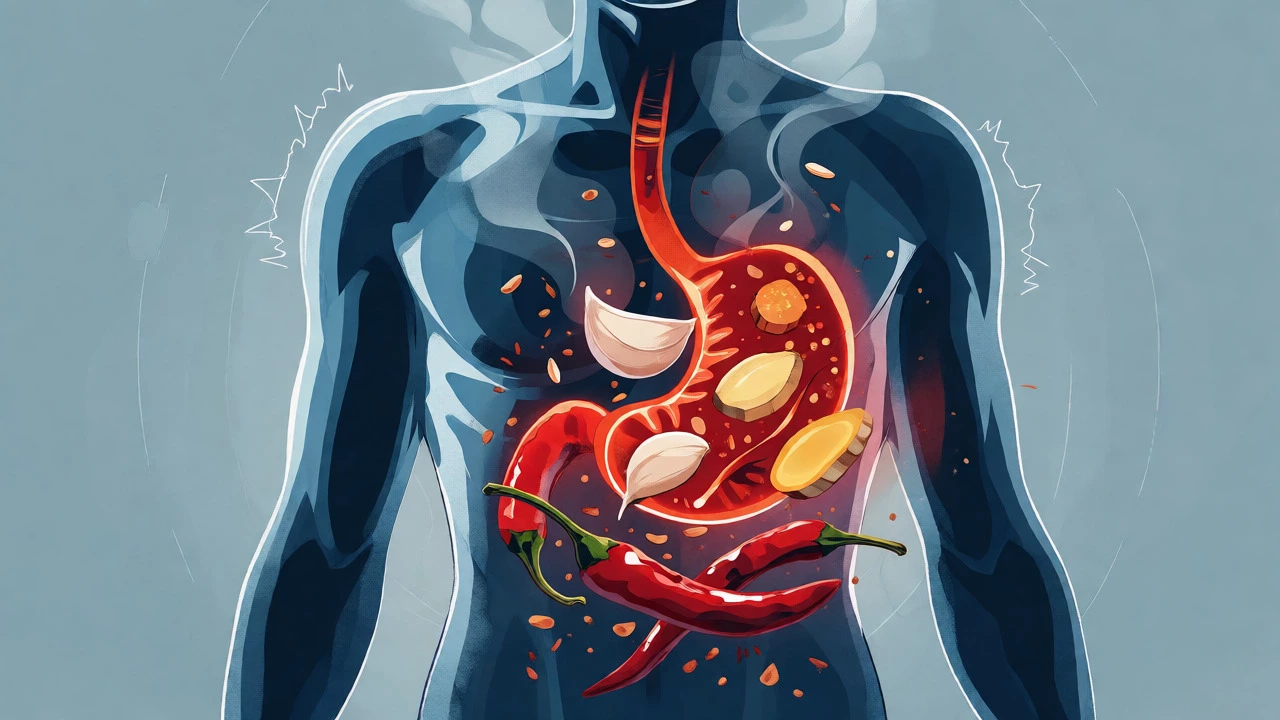
Not everyone’s stomach handles spicy food well. Chutneys are often loaded with chili peppers, garlic, and ginger. For individuals with Irritable Bowel Syndrome (IBS) or acid reflux, these ingredients can trigger flare-ups. Garlic and onions, staples in many Indian chutney bases, are high in FODMAPs-fermentable carbohydrates that cause bloating and gas in sensitive people.
If you feel heavy or gassy after eating dosas with chutney, it might not be the lentils. It could be the raw garlic or excess chili. Raw spices are harder to digest than cooked ones. Fermented chutneys, while probiotic-rich, can also cause discomfort if your gut flora isn’t accustomed to them. Listen to your body. If you experience heartburn regularly, try reducing the spice level or switching to milder options like coriander-only chutney.
Allergens and Ingredient Conflicts
Chutney seems simple, but it’s a complex mix of potential allergens. Peanuts are common in South Indian podis and some chutneys. Sesame seeds appear in many regional variations. Coconut is a tree nut allergen for some people. If you have known allergies, cross-contamination in factory-produced chutneys is a real risk. Labels don’t always highlight trace amounts clearly.
Beyond nuts, consider interactions with medications. Grapefruit-based chutneys, though less common, can interfere with statins and other drugs. Vitamin K-rich greens like spinach or mint in chutneys can affect blood thinners like warfarin. Consistency matters more than quantity here. Sudden changes in vitamin K intake can alter how your medication works. Consult your doctor if you’re on prescription meds and consume large amounts of leafy green chutneys daily.
| Chutney Type | Primary Risk Factor | Health Impact | Mitigation Strategy |
|---|---|---|---|
| Mango/Tamarind | High Sugar Content | Blood Spikes, Weight Gain | Choose no-added-sugar versions or make at home |
| Coconut Chutney | High Sodium/Fat | High Blood Pressure, Calorie Dense | Reduce salt, use lighter coconut milk |
| Green Mint/Coriander | Hygiene/Preservatives | Bacterial Infection, Allergies | Consume fresh within 24 hours |
| Tomato Onion | Acidity/Spice | Acid Reflux, IBS Flare-ups | Cook ingredients before blending |
Nutrient Loss During Processing
We praise chutney for its vitamins. Mint and coriander are rich in Vitamin C and antioxidants. But here’s the catch: processing destroys nutrients. Blending generates heat. Storing in clear jars exposes contents to light. Both degrade Vitamin C rapidly. By the time you eat that bottled green chutney, much of the nutritional benefit is gone.
Fermentation helps preserve some nutrients, but it doesn’t stop oxidation entirely. If you want the health boost, make chutney fresh. Grind small batches weekly rather than buying monthly supplies. The difference in taste and nutrient retention is noticeable. Freshly ground mint smells brighter and tastes sharper. Bottled versions often taste flat or overly vinegary because the fresh herb oils have evaporated.
Caloric Density Misconceptions
People treat chutney as a free pass calorie-wise. It’s not. Peanut chutney, for instance, is calorie-dense due to the high fat content of peanuts. One cup of peanut chutney can exceed 300 calories. Compare that to plain yogurt, which might have half that amount for similar volume. If you’re adding two tablespoons to every meal, you’re adding significant energy density without feeling full.
This leads to overeating. Condiments enhance palatability, making you want to eat more carbs like rice or bread. The chutney itself isn’t the problem; it’s the portion control. Use smaller bowls. Measure your servings if you’re tracking macros. Don’t let the "healthy" label trick you into ignoring calorie counts.
How to Mitigate the Disadvantages
So, should you quit chutney? No. Just be smarter. Here’s how to reduce the downsides:
- Read Labels: Look for short ingredient lists. Avoid products with high-fructose corn syrup or artificial colors.
- Make It Fresh: Batch-prep chutneys weekly. Store in airtight glass containers. Add lemon juice to prevent browning and spoilage.
- Control Salt: When cooking, add salt at the end. Taste frequently. Your palate adjusts over time.
- Watch Portions: Use a teaspoon, not a ladle. Pair with fiber-rich foods to slow sugar absorption.
- Check Hygiene: Buy from reputable sources. Avoid open-air stalls during hot weather.
By taking these steps, you keep the flavor while minimizing the risks. Chutney remains a versatile part of cuisine when consumed mindfully. It’s not inherently bad-it’s just easy to misuse.
Is homemade chutney healthier than store-bought?
Generally, yes. Homemade chutney allows you to control sugar, salt, and oil quantities. You avoid preservatives and artificial additives found in commercial products. However, freshness is critical; homemade chutney lacks preservatives, so it must be refrigerated and consumed within a few days to prevent bacterial growth.
Can chutney raise blood sugar levels?
Yes, especially fruit-based chutneys like mango or tamarind. They often contain added refined sugars. Even without added sugar, the natural fructose in fruits combined with reduced fiber (due to blending) can cause quicker blood sugar spikes compared to eating whole fruits. Diabetics should monitor portion sizes carefully.
Does chutney cause acidity or gas?
It can. Ingredients like raw garlic, onion, chili, and tomatoes are acidic and fermentable. For people with GERD, IBS, or sensitive digestion, these components can trigger heartburn, bloating, or gas. Cooking the base ingredients before blending can reduce these effects significantly.
Are there allergens in common chutneys?
Common allergens include peanuts, sesame seeds, coconut, and sometimes mustard seeds. Cross-contamination is possible in factories producing multiple types of chutney. Always check labels for allergen warnings, especially if you have severe nut allergies.
How long does chutney last in the fridge?
Fresh green chutneys typically last 3-5 days in the refrigerator. Coconut chutneys may last slightly longer, up to a week, if sealed properly. Oil-based chutneys can last longer due to the preservative nature of oil, but still should be consumed within 1-2 weeks. Always smell and inspect for mold or off odors before eating.
