Common Biryani Mistakes: How to Fix Ruined Rice and Meat
 Sep, 8 2026
Biryani Rescue & Timing Planner
Minimum Time:
Ideal Time:
- ✅ Soak Basmati Rice for 30 minutes.
- ✅ Parboil until 70% done (grain should be firm/crunchy in center).
- ✅ Drain and spread on a tray to release excess steam before layering.
Temperature Check: Ensure meat gravy is warm, not boiling hot, when layering.
If using Kachchi method (raw meat), ensure meat is thinly sliced or tender cuts only. If Pakki (cooked meat), ensure gravy is thick/clings to spoon.
Estimated Dum Time
--
on low heatResting Time
15 mins
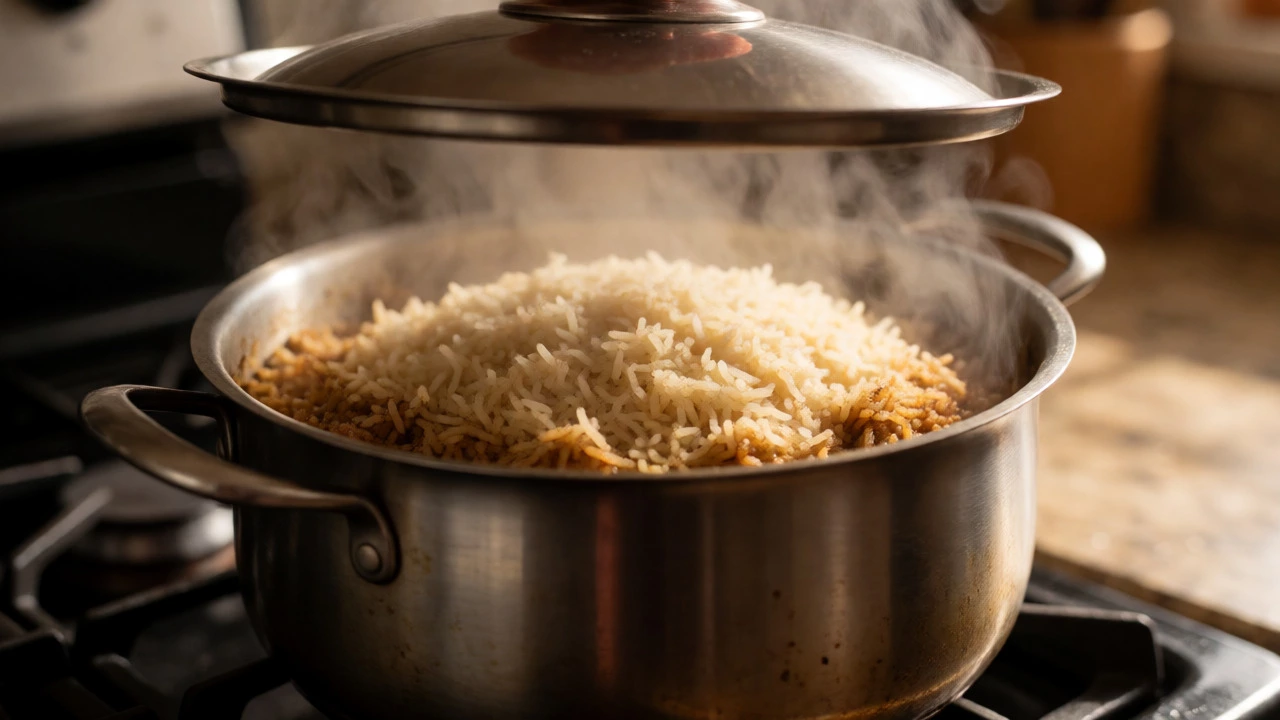
Do not open lid!You spent three hours prepping. You marinated the chicken overnight. You bought the expensive Basmati rice. But when you lift the lid of your pot, it’s a disaster. The bottom is burnt, the top is soggy, and the meat tastes like boiled rubber. Sound familiar? Making biryani is less about following a recipe and more about managing heat, moisture, and timing. It’s a dish that punishes impatience.
Most people fail at biryani because they treat it like a regular stew or a simple fried rice. It’s neither. It’s a layered masterpiece that relies on steam (dum) to finish the job started by high heat. If you’re tired of serving dry or mushy biryani, let’s look at exactly where things go wrong-and how to fix them before you ruin another batch.
The Rice Is Wrong Before It Even Hits the Pot
If your biryani tastes bad, blame the rice first. Not all long-grain rice is created equal for this dish. Using standard supermarket long-grain instead of aged Basmati rice is mistake number one. Aged Basmati has lower starch content and elongates significantly when cooked. Regular rice clumps together, turning your distinct grains into a sticky block.
But even with good rice, preparation errors happen constantly. Here is the checklist:
- Skipping the soak: Soaking Basmati for 30 minutes allows water to penetrate the core. If you skip this, the outside cooks while the inside stays hard. You’ll end up boiling it longer just to soften the center, which destroys the texture.
- Overcooking the parboil: This is the fatal error. You should boil the rice only until it is 70% done. It needs to have a firm bite, almost crunchy in the center. Why? Because it will continue cooking in the steam of the meat layer. If you cook it fully now, it turns to mush later.
- Not using enough salt: Boiling water should taste like the sea. If the water is bland, the rice will be bland, no matter how much spice you put in the gravy.
Marination Myths That Dry Out Your Meat
People often think marination is just about adding flavor. In biryani, it’s about tenderizing. If your chicken or mutton is tough, your marinade failed. Yogurt is the secret weapon here. Its lactic acid breaks down protein fibers. But there’s a catch.
Don’t use low-fat yogurt. Full-fat Greek yogurt or thick hung curd works best. Low-fat versions are too watery; they dilute the spices and don’t coat the meat properly. Also, never add salt directly to raw meat without oil or yogurt. Salt draws out moisture through osmosis, drying out the protein before it even hits the pan. Always mix salt into your wet marinade ingredients first.
| Meat Type | Minimum Marination Time | Ideal Time | Key Ingredient Ratio |
|---|---|---|---|
| Chicken Thighs | 1 hour | 4-6 hours | 1 cup yogurt per 500g meat |
| Mutton/Lamb | 4 hours | Overnight (8-12 hours) | 1.5 cups yogurt per 500g meat |
| Paneer/Veg | 15 minutes | 1 hour | Light coating only |
Ignoring the "Kachchi" vs. "Pakki" Distinction
This is where beginners get confused. There are two main ways to make biryani, and mixing them up ruins the texture.
In Kachchi Biryani, raw meat is placed under partially cooked rice. The steam from the rice cooks the meat gently. This method requires very tender cuts (like chicken thighs or boneless lamb) and precise heat control. If you try Kachchi with tough cuts like goat shoulder, you’ll eat leather.
In Pakki Biryani, the meat is fully cooked in a spicy gravy (masala) first, then layered with the rice. This is safer for home cooks and tougher meats. The risk here isn’t undercooking; it’s making the gravy too thin. If your masala is watery, the rice absorbs it and becomes soggy. The gravy should be thick and cling to the spoon, not run off it.
Layering Errors: The Soggy Bottom Syndrome
You’ve got great rice and perfectly marinated meat. Now you layer them. This is where most home cooks create a soup instead of a fluffy dish.
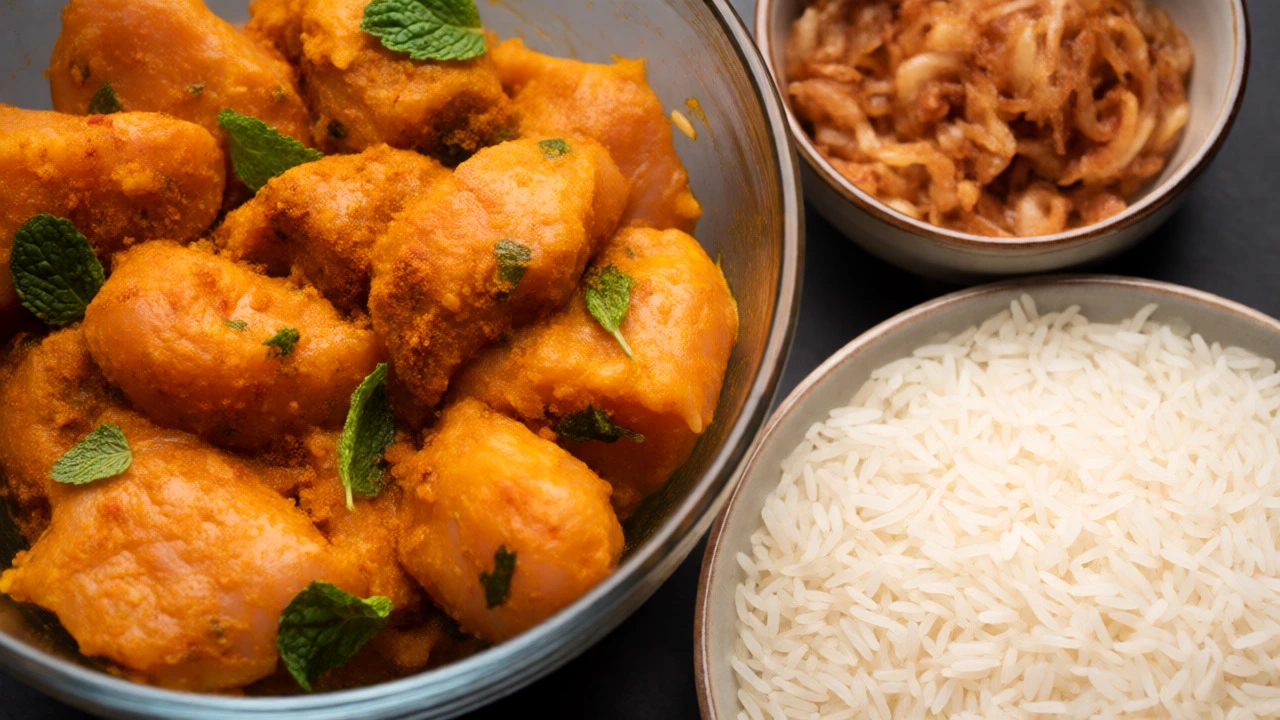
The biggest mistake? Putting hot, steaming wet rice directly onto hot, saucy meat. The residual heat creates immediate condensation, trapping steam against the bottom layer. To avoid this:
- Cool the components: Let the cooked meat gravy cool slightly so it’s warm, not boiling. Spread the parboiled rice on a tray to let excess surface steam escape.
- Create a barrier: Some chefs place a layer of fried onions or mint leaves between the meat and rice. This acts as an insulator, preventing direct contact that leads to sogginess.
- Distribute evenly: Don’t dump the rice in one pile. Spread it evenly across the entire surface area. If one spot is thicker than another, that spot will cook unevenly.
The Dum Process: Heat Management Failures
Once layered, you seal the pot. This is the Dum process-cooking in its own steam. Most people mess this up by keeping the flame too high.
High heat burns the bottom before the steam reaches the top. You need low, consistent heat. If you’re on gas, use a flat tawa (griddle) under the pot to distribute heat evenly. On induction, use the lowest setting possible.
How do you know if the dum is working? Listen to it. A proper biryani pot should hiss softly as steam escapes from the edges. If it’s silent, your seal is too tight or heat is too low. If it’s roaring, you’re losing too much moisture and risking a burn.
Sealing options:
- Foil + Lid: Cover the pot mouth with heavy-duty aluminum foil, then place the lid on top. Press down around the edges to create a vacuum seal.
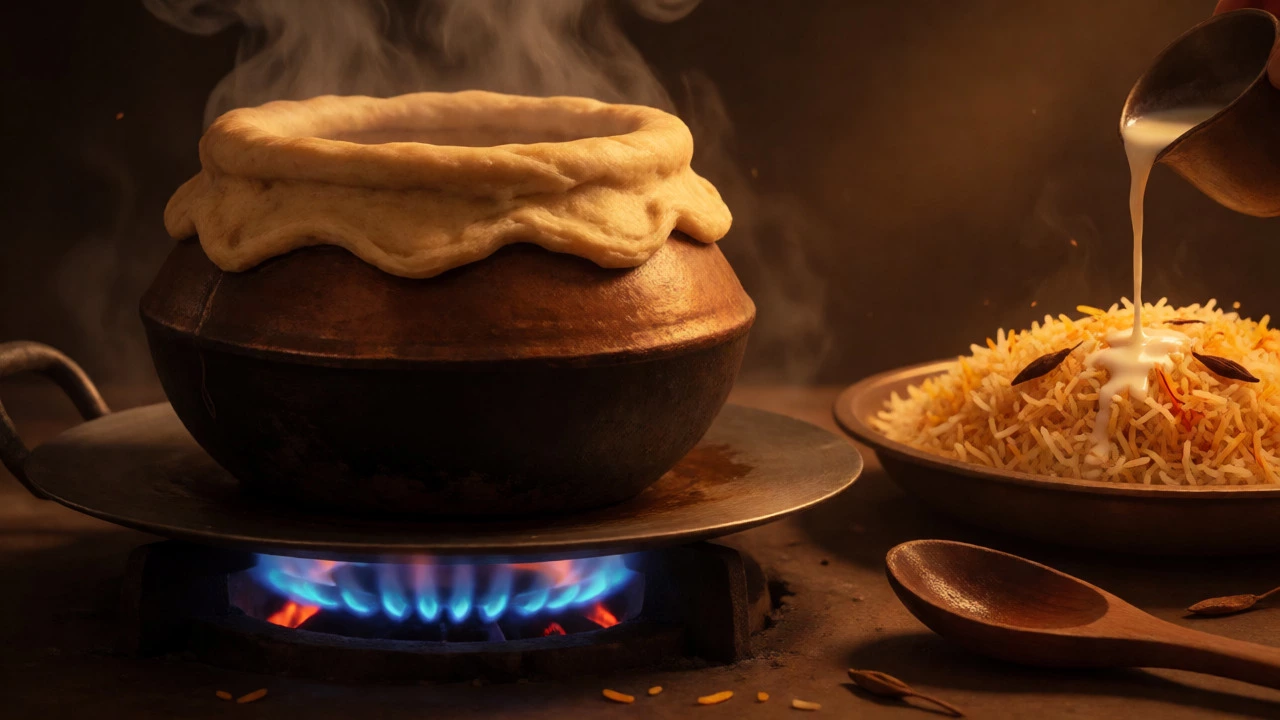
- Wheat Dough Seal: Traditional Hyderabadi style. Roll out wheat dough into a rope and press it around the rim of the pot before placing the lid. As it bakes, it hardens and seals the steam in completely.
Resting: The Step Everyone Skips
You turn off the stove. You immediately open the lid and start scooping. Stop. This is why your biryani falls apart.
Biryani needs to rest for at least 10-15 minutes after the heat is off. During this time, the moisture redistributes evenly throughout the grains. If you dig in immediately, the steam rushes out, and the rice collapses into a dense mass. Resting allows the aromas to settle and the textures to firm up. Think of it like resting a steak; it keeps everything juicy but structured.
Troubleshooting Common Disasters
Even with care, things go wrong. Here is how to save a batch in progress.
| Problem | Likely Cause | The Fix |
|---|---|---|
| Burnt smell/taste | Heat too high during dum | Remove from heat immediately. Do not scrape the burnt bits into the food. Serve the top layers only. |
| Soggy/mushy rice | Rice overcooked or gravy too thin | Spread on a baking sheet and bake at 180°C (350°F) for 10 mins to dry out excess moisture. |
| Hard/uncooked rice | Not enough steam/water trapped | Add 2-3 tbsp of hot water or milk, re-seal, and cook on low for another 10 mins. |
| Lack of aroma | Spices added too early | Add whole spices (cardamom, cloves) soaked in warm milk or rose water just before serving. |
Final Thoughts on Perfecting Your Craft
Making biryani is a skill built on repetition. You might burn the first few batches. You might serve mushy rice. That’s part of the learning curve. Pay attention to the sound of the simmer, the feel of the rice grain, and the color of the caramelized onions. Once you master these sensory cues, you won’t need a timer. You’ll know exactly when it’s ready.
Why is my biryani rice sticky?
Sticky rice usually happens for two reasons: using the wrong type of rice (not aged Basmati) or skipping the rinsing step. You must rinse Basmati rice until the water runs clear to remove surface starch. Additionally, if you cover the pot immediately after boiling without letting excess steam escape, the trapped moisture makes the rice gummy.
Can I make biryani ahead of time?
Yes, but with caution. Biryani tastes better the next day as flavors meld. However, reheating can dry it out. To store, keep the meat and rice separate if possible. When reheating, sprinkle a tablespoon of water over the rice, cover tightly, and heat on low. Microwaving often results in uneven heating and rubbery meat.
What is the difference between Hyderabadi and Lucknowi biryani?
Hyderabadi biryani is typically spicier and uses the Kachchi method (raw meat cooked with rice), resulting in a robust, intense flavor. Lucknowi (Awadhi) biryani is subtler, often using the Pakki method (pre-cooked meat), and focuses on delicate aromatics like saffron and rose water rather than heavy chili heat. The rice in Lucknowi styles is also more distinct and separate.
Do I really need saffron for authentic biryani?
While not strictly necessary for the structure of the dish, saffron provides the signature yellow/orange hue and floral aroma associated with premium biryanis. Without it, the dish may look pale and lack that specific aromatic depth. You can substitute with turmeric for color, but it won't replicate the scent. Use real saffron threads steeped in warm milk for the best effect.
How do I prevent the bottom from burning?
Use a heavy-bottomed pot (cast iron or thick stainless steel). Place a flat metal griddle (tawa) underneath the pot on the stove to diffuse direct flame. Ensure there is enough moisture in the gravy to generate steam, but not so much that it boils over. Finally, always cook on the lowest possible heat setting once the dum begins.
