Do They Eat Eggs in India? A Guide to Egg Consumption and Recipes
 Sep, 4 2026
Indian Egg Consumption & Culture Quiz
Loading question...
Explanation:
Quiz Complete!
Great effort!
Key Takeaways:
- "Veg" in India usually means no eggs.
- Kerala and Bengal have high egg consumption.
- Egg Bhurji is a popular North Indian breakfast.
You might be surprised to learn that India is one of the world's largest producers of eggs. Yet, if you visit a typical Indian home or restaurant, you won't always see them on the menu. The question "Do they eat eggs in India?" doesn't have a simple yes or no answer. It depends entirely on who you ask, where you are, and what time of day it is. For many, eggs occupy a confusing middle ground between vegetarian and non-vegetarian food.
As someone living in Sydney, I often meet people from India who are shocked by how casually we consume eggs at breakfast, lunch, and dinner. In India, the cultural and religious significance of the egg is complex. Some communities treat it as meat, while others consider it a neutral protein source. This article breaks down exactly who eats eggs, why some don't, and how you can incorporate this versatile ingredient into your own cooking with authentic Indian flavors.
The Great Debate: Is an Egg Vegetarian?
To understand egg consumption in India, you first need to grasp the local definition of "vegetarian." In most Western countries, vegetarianism excludes meat but allows eggs (often called lacto-ovo vegetarian). In India, the standard Indian Vegetarian diet typically excludes all animal flesh, including eggs, because eggs are seen as potential life or animal products. If you order a "veg" meal in Mumbai or Delhi, expect zero eggs unless you explicitly ask for them.
This distinction creates a unique culinary category known as "Eggetarian." Many Indians who avoid meat due to religious beliefs (Hinduism, Jainism) or health reasons still consume eggs. However, strict Jains and some Vaishnavite Hindus avoid eggs entirely because they believe eggs contain a dormant soul or are obtained through harm to animals. This nuance is crucial when dining out or ordering online in India.
- Veg: No meat, no fish, no eggs, no onion/garlic (in some cases).
- Eggetarian: No meat or fish, but eggs are allowed.
- Non-Veg: Includes meat, fish, and eggs.
Regional Differences in Egg Consumption
India is vast, and dietary habits change dramatically across its states. You cannot generalize the entire nation based on one region. Here is how egg consumption varies geographically:
| Region | Commonality | Typical Dishes | Cultural Context |
|---|---|---|---|
| Kerala | Very High | Egg Roast, Kothu Parotta | Christian and Muslim populations drive high consumption; eggs are common in daily meals. |
| Bengal | High | Dimer Dalna, Egg Curry | Bengalis love their fish and eggs; eggs are often cooked with mustard oil and spices. |
| Punjab | Moderate to High | Achaari Anday, Egg Bhurji | Popular among youth and urban dwellers; often eaten with bread or paratha. |
| Gujarat | Low | Anda Masala | Traditionally strong vegetarian culture; eggs are often hidden or served separately. |
| South India (Tamil Nadu) | Moderate | Malai Kofta (with egg), Egg Rice | Widespread availability, but traditional Brahmin households may avoid them. |
In coastal areas like Goa and Kerala, the influence of Portuguese and Arab traders introduced robust egg cuisines centuries ago. In contrast, inland northern states like Rajasthan and parts of Gujarat have historically been more strictly vegetarian due to the dominance of Hindu and Jain communities. However, urbanization is blurring these lines rapidly. Young professionals in Bangalore or Hyderabad rarely hesitate to order an omelet.
Why Do Some Indians Avoid Eggs?
If you are planning a trip to India or hosting Indian friends, understanding the reasons behind egg avoidance helps you navigate social situations gracefully. It is rarely about taste; it is usually about belief.
Religious Beliefs: As mentioned, Jains practice extreme non-violence (ahimsa). They believe that even unfertilized eggs carry a potential for life, so they avoid them. Similarly, many devotees of Lord Vishnu follow a sattvic diet, which excludes eggs because they are considered tamasic (promoting lethargy) or rajasic (promoting passion).
Health and Digestion: There is a persistent myth in older generations that eggs increase body heat or cause phlegm. While not scientifically accurate for everyone, this belief persists in Ayurvedic circles. Some people also claim difficulty digesting eggs compared to plant-based proteins like lentils (Dal) or paneer.
Social Stigma: In conservative families, eating eggs openly can be frowned upon. It is often associated with lower-class diets or non-traditional lifestyles. Consequently, many people eat eggs secretly or only outside the home.
How Eggs Are Cooked in India
When Indians do cook eggs, they rarely just fry them plain. The spice box (masala dabba) is your best friend here. Indian egg dishes are bold, aromatic, and deeply flavorful. Here are three popular ways to prepare them:
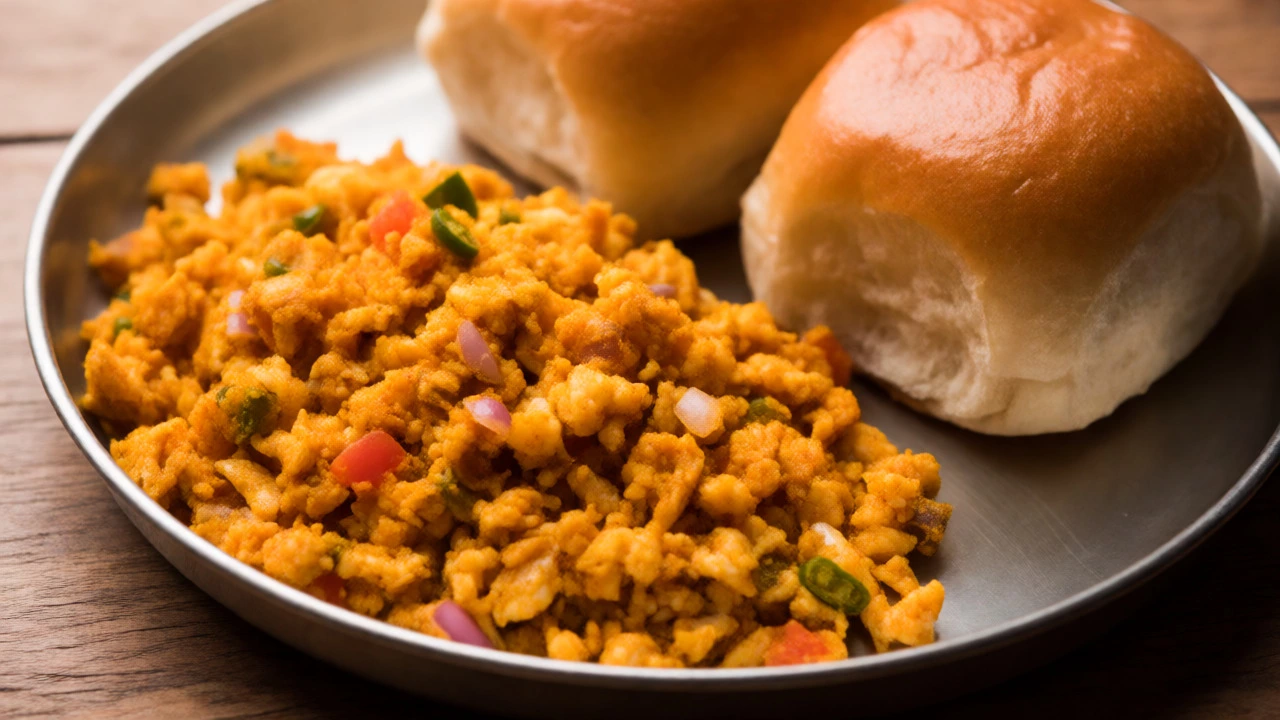
Egg Bhurji (Scrambled Eggs)
This is the Indian version of scrambled eggs, but with a kick. Onions, tomatoes, green chilies, turmeric, and garam masala are sautéed before adding beaten eggs. It is a staple breakfast in North India, served with pav (bread rolls) or roti. Unlike Western scrambled eggs, which are soft and creamy, Bhurji is dry and well-cooked.
Anda Curry (Egg Curry)
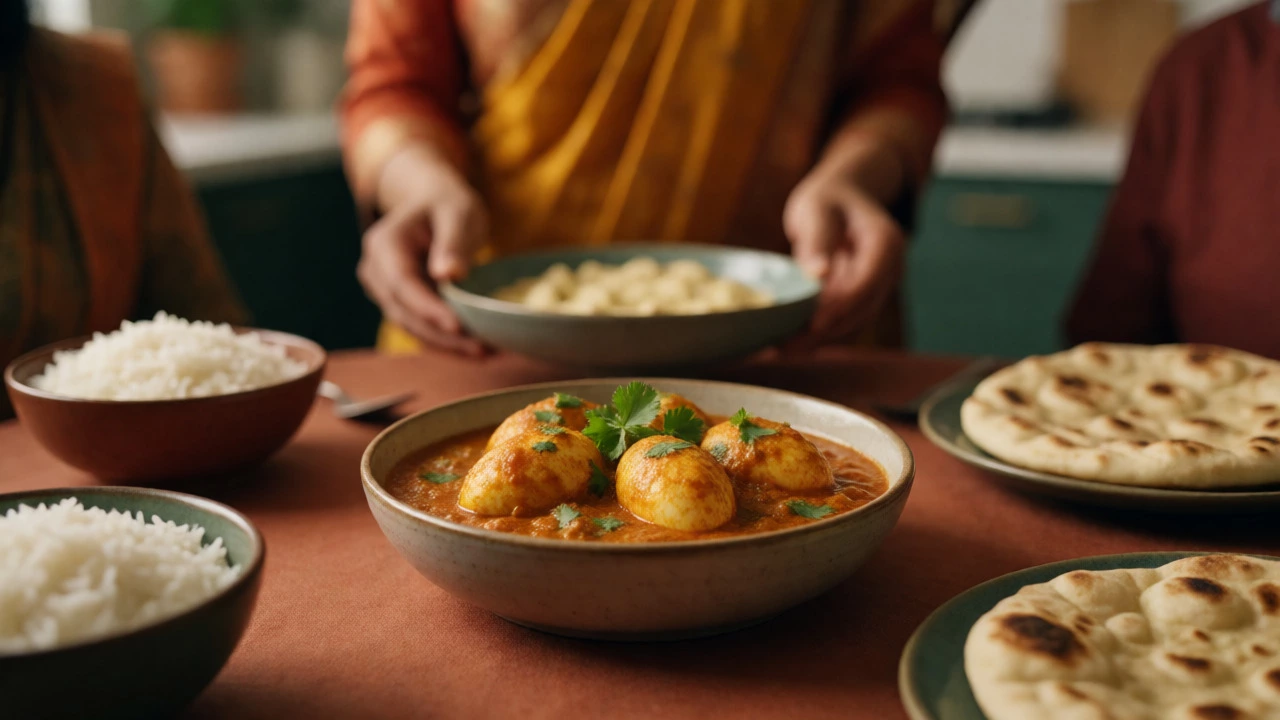
Hard-boiled eggs are peeled and fried lightly, then simmered in a rich gravy made from onions, ginger-garlic paste, yogurt, and cashews. This dish is popular in Bengal and South India. The key is to prick the eggs slightly before frying so the gravy seeps into the whites.
Egg Dosa
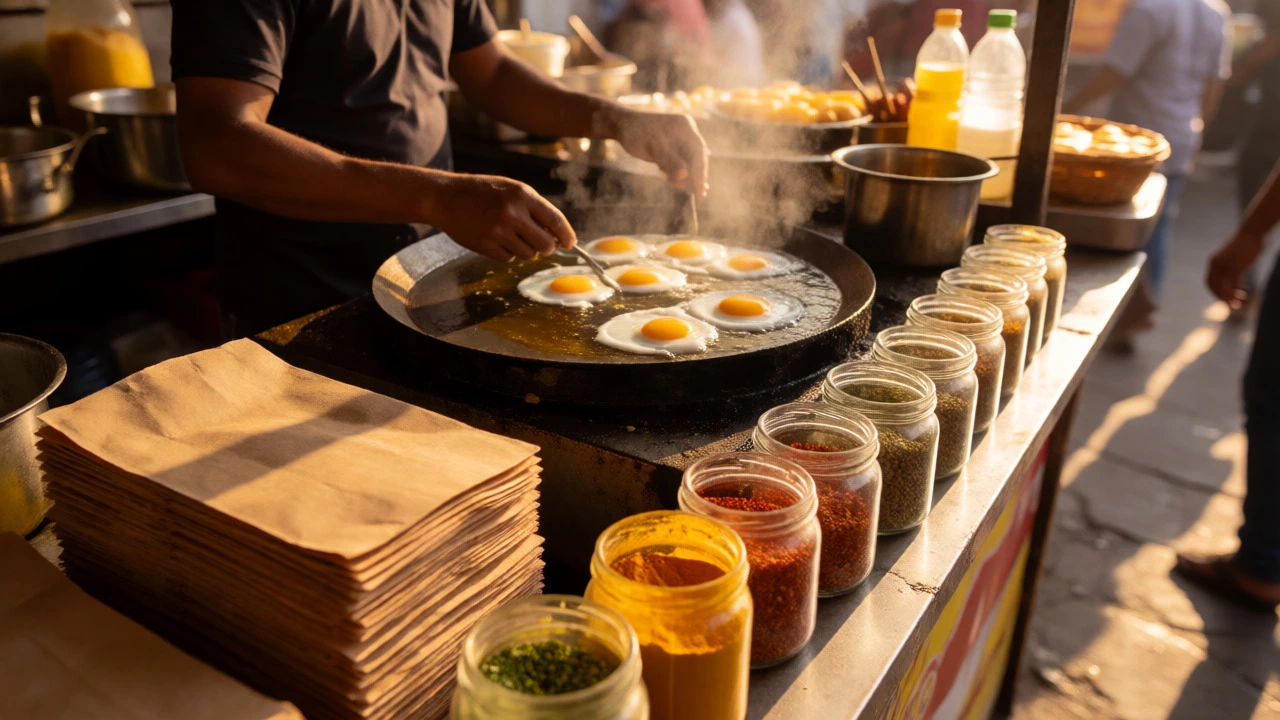
In South Indian restaurants, you will often find a dosa (crepe) topped with a crispy egg layer. The egg is cracked directly onto the batter while it cooks on the tawa (griddle). It is savory, filling, and incredibly cheap. This is a perfect example of fusion that has become completely mainstream.
Nutritional Value and Availability
India is the third-largest producer of eggs globally, after China and the USA. This massive production keeps prices low, making eggs the cheapest source of complete protein for millions of Indians. According to recent agricultural data, per capita egg consumption in India has doubled over the last two decades. This shift is driven by rising incomes and greater awareness of protein needs.
For those looking to add eggs to their diet, they offer significant benefits. One large egg contains about 6 grams of protein and essential vitamins like B12 and D. In a country where iron deficiency is common, eggs provide heme iron, which is absorbed better than plant-based iron. However, cholesterol concerns remain a topic of debate in Indian medical literature, though modern consensus supports moderate consumption (1-2 eggs daily) for healthy adults.
Where to Find Eggs in India
Availability is no longer an issue. Even in remote villages, you can find eggs at local kirana stores. In cities, supermarkets like BigBasket or Reliance Fresh sell everything from standard white eggs to organic brown ones. However, labeling can be tricky. Look for the green dot symbol for vegetarian products. Eggs usually have a brown dot or no specific symbol, indicating they are neither strictly veg nor non-veg in the regulatory sense, but generally treated as non-veg in retail.
If you are vegan, remember that eggs are not vegan. Vegan options in India rely heavily on legumes, tofu, and jackfruit. But if you are merely avoiding meat, eggs are an excellent bridge food.
Easy Indian Egg Recipes to Try at Home
You don't need to be in India to enjoy these flavors. Here are two simple recipes that capture the essence of Indian egg cooking.
Spicy Egg Bhurji
- Heat 1 tbsp oil in a pan.
- Add chopped onions, green chilies, and ginger. Sauté until translucent.
- Add chopped tomatoes, salt, turmeric, red chili powder, and garam masala. Cook until tomatoes soften.
- Crack in 2 eggs and scramble vigorously with a spatula.
- Cook until dry and fluffy. Garnish with fresh coriander.
- Serve hot with buttered toast or paratha.
Quick Egg Curry
- Boil 4 eggs, peel them, and fry lightly in oil until golden.
- In the same pan, sauté onions and garlic until brown.
- Add tomato puree and cook until oil separates.
- Stir in yogurt (whisked) and spices (coriander powder, cumin, paprika).
- Add water to form a gravy and simmer for 5 minutes.
- Add the fried eggs, cover, and cook for another 5 minutes.
- Serve with steamed rice or naan.
Conclusion: Embrace the Versatility
So, do they eat eggs in India? Absolutely. While not universal, egg consumption is widespread, affordable, and culturally integrated into many regional cuisines. Whether you view them as a humble breakfast staple or a spicy curry centerpiece, eggs hold a special place in the Indian pantry. Next time you visit an Indian grocery store, grab a carton and try making Bhurji. You might just discover a new favorite comfort food.
Are eggs considered vegetarian in India?
Generally, no. In India, "vegetarian" typically means lacto-vegetarian, which excludes eggs. People who eat eggs but not meat are often referred to as "eggetarians," a distinct category in Indian dietary classification.
Why do some Hindus not eat eggs?
Many Hindus avoid eggs due to religious beliefs regarding ahimsa (non-violence) and the concept of sattvic purity. Some believe eggs contain a potential life force, while others associate them with tamasic qualities that affect mental clarity.
Is it safe to eat street food eggs in India?
Yes, if prepared hygienically. Look for busy stalls with high turnover, ensuring the eggs are fresh and cooked thoroughly. Boiled eggs sold by vendors are generally safer than raw or undercooked preparations.
What is the most popular egg dish in India?
Egg Bhurji (scrambled eggs with spices) is arguably the most widely consumed everyday egg dish, especially in North India. Egg Curry is also extremely popular across various regions.
Can I find eggs in vegetarian restaurants in India?
Not usually. Most dedicated vegetarian restaurants exclude eggs entirely. However, many casual dining spots and cafes serve egg dishes, even if they have a separate vegetarian menu section.
