Do You Need to Marinate Paneer? The Truth About Flavor and Texture
 Jul, 24 2026
Paneer Marinade Calculator & Guide
Calculate the perfect amount of marinade ingredients for your paneer cubes based on weight.
Ingredients Needed
Preparation Steps:
- Press paneer between paper towels to remove excess moisture.
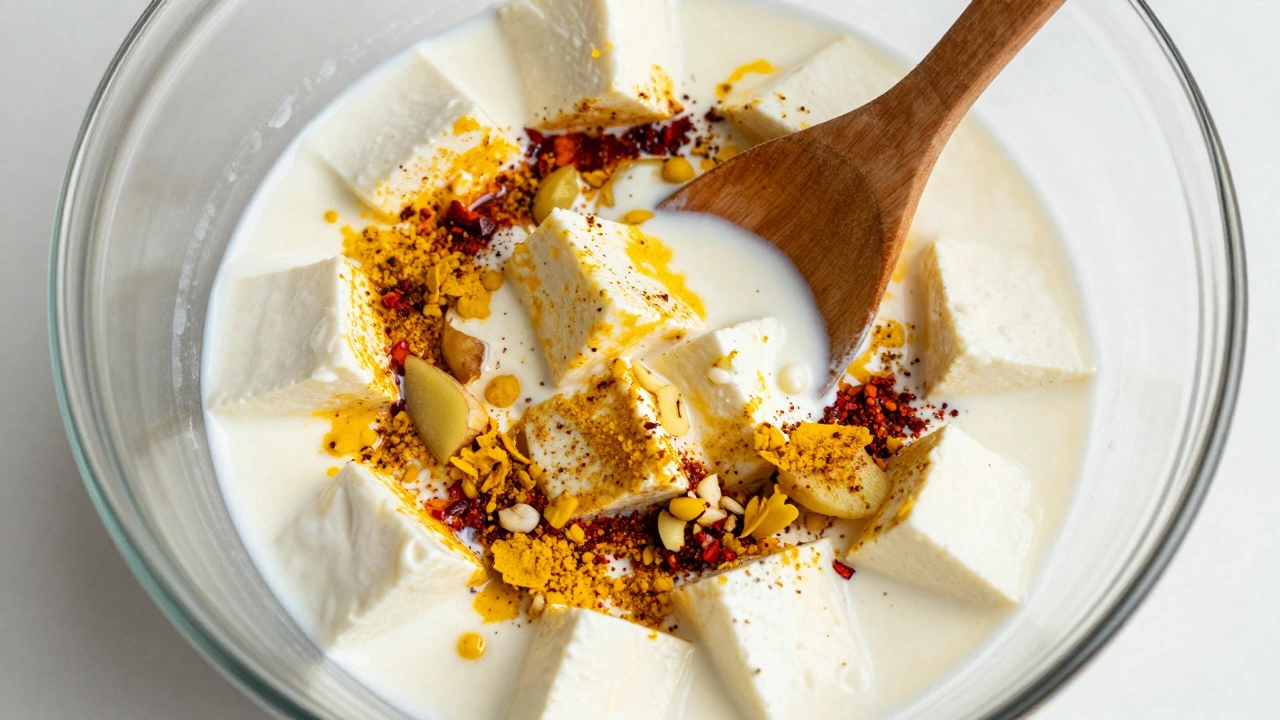
- Mix yogurt, spices, cornflour, ginger, and garlic in a bowl.
- Toss paneer cubes gently in the mixture until fully coated.
- Let rest for 15-20 minutes before cooking.
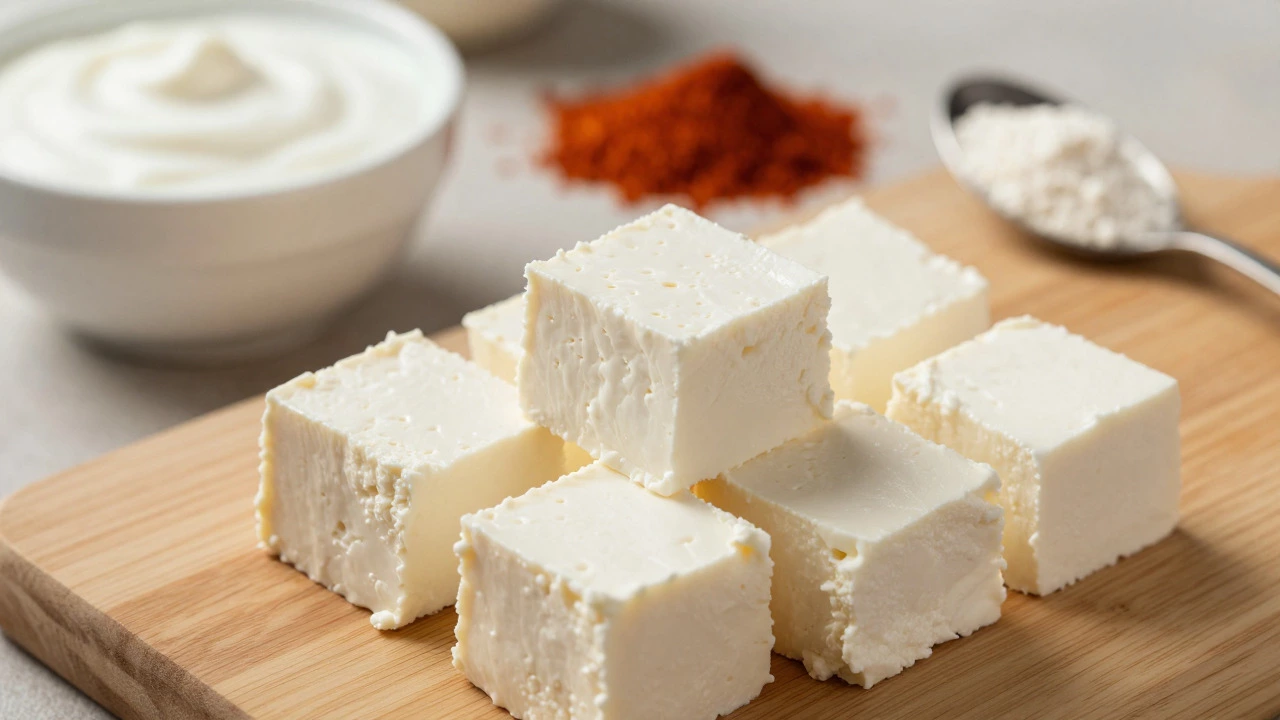
Picture this: you’ve just made fresh paneer is a fresh, non-melting Indian cheese made by curdling milk with an acid like lemon juice or vinegar. It has a mild, milky flavor and a soft, spongy texture. at home. It’s warm, slightly crumbly, and smells amazing. You want to make a quick stir-fry or add it to a salad. Do you really need to sit around marinating those cubes for hours? Or can you just toss them in the pan?
The short answer is no, it is not strictly necessary to marinate paneer if you are serving it plain or in a heavy curry where the sauce does the heavy lifting. However, if you want that restaurant-style charred exterior, deep savory notes, and a tender bite without the rubbery chew, marination is your best friend. It changes everything.
Why Paneer Is Different From Other Cheeses
To understand why we treat paneer is an unaged, fresh cheese popular in South Asian cuisine. differently than mozzarella or cheddar, you have to look at its structure. Unlike aged cheeses that develop complex flavors over time through fermentation, paneer is born neutral. Its flavor profile is essentially blank canvas milk. This neutrality is both its strength and its weakness. It absorbs whatever it touches, but on its own, it can taste bland.
Furthermore, paneer has high moisture content when fresh. If you throw wet, raw paneer directly into a hot pan, it steams rather than fries. The result? A pale, soggy cube that releases water into your dish, diluting your spices. Marination isn't just about taste; it's a textural hack. The ingredients used in marinades-especially yogurt and cornstarch-help seal the surface, allowing the paneer to brown properly instead of boiling in its own juices.
The Science Behind the Marinade
When we talk about marinating paneer is a versatile ingredient in vegetarian Indian cooking., we aren't just dumping random spices on it. Each component plays a specific chemical role:
- Acidity (Yogurt/Lemon Juice): Dairy proteins in paneer are sensitive to pH levels. Mild acids help break down the protein structure slightly, making the cheese more tender. Yogurt is preferred over straight lemon juice because it coats the paneer, preventing it from becoming too mushy while still offering that tenderizing effect.
- Fat (Oil/Ghee): Fat carries flavor compounds that water cannot. By coating the paneer in oil or ghee during marination, you ensure that fat-soluble spices adhere better and cook evenly.
- Starch (Cornflour/Cornstarch): This is the secret weapon. A thin layer of starch creates a barrier. When hit with heat, it gelatinizes quickly, forming a crispy crust that locks moisture inside. Without this, your paneer will likely turn out dry and rubbery.
When Can You Skip the Marinade?
There are absolutely times when you don’t need to spend twenty minutes prepping a marinade. Context matters here. If you are making Palak Paneer is a classic North Indian dish consisting of cubed paneer in a spinach-based gravy., the paneer simmers in a rich, spiced tomato-spinach sauce. The flavors penetrate the cheese as it cooks in the liquid. In this case, marinating is redundant. The sauce provides all the seasoning needed.
Similarly, if you are adding paneer to a heavy curry is a thick, flavorful stew common in Indian cuisine. like Butter Chicken (paneer version) or Kadai Paneer, the intense spice blend and creamy base do the job. You might lightly salt the paneer, but a full marinade won't add much value since the paneer is submerged and simmered, not seared.
When You Should Definitely Marinate
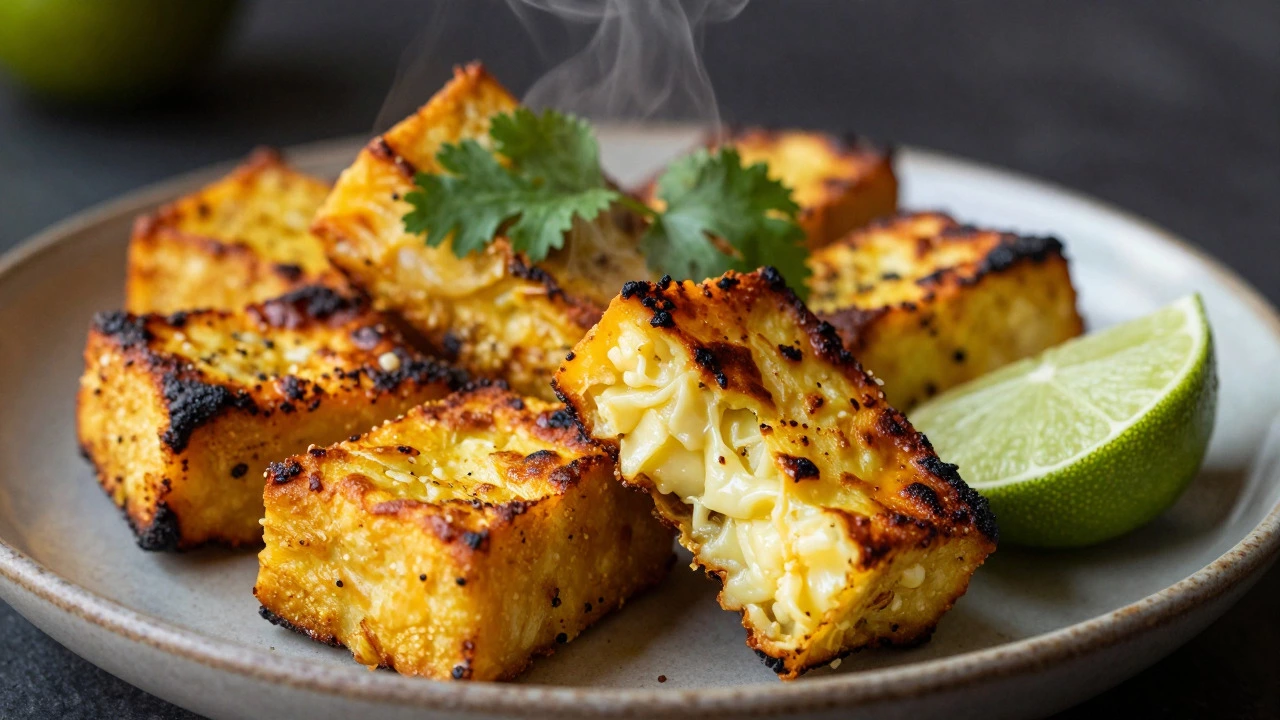
Now, let’s talk about the dishes where skipping the marinade is a mistake. If you are making Paneer Tikka is skewered and grilled paneer cubes marinated in yogurt and spices., Shami Kebab style patties, or even a simple dry stir-fry (Jalfrezi), the paneer is the star. It needs to stand up to other bold vegetables like capsicum and onions. Raw paneer will get lost in the mix.
In these scenarios, you want a contrast: crispy outside, soft inside, and deeply flavored throughout. A proper marinade ensures that every bite has punch. Think about eating a plain boiled potato versus one roasted with rosemary and olive oil. Same base ingredient, vastly different experience. That’s what marination does for paneer.
How to Make the Perfect Quick Marinade
You don’t need hours. A good paneer marinade takes five minutes to prep and ten minutes to rest. Here is a foolproof formula that works for almost any dry-cooked paneer dish:
- Start with Dry Paneer: Press your homemade or store-bought paneer between paper towels to remove excess moisture. Wet paneer slides off marinades.
- The Base: Use 2 tablespoons of thick, hung yogurt (Greek yogurt works well). Avoid runny curd as it makes the mixture too watery.
- The Spice Blend: Add 1 teaspoon of Kashmiri red chili powder (for color without excessive heat), 1/2 teaspoon of turmeric, 1 teaspoon of garam masala, and salt to taste. Garam masala is crucial-it adds warmth and depth that single spices can't achieve.
- The Binder: Mix in 1 tablespoon of cornflour (cornstarch). This is non-negotiable for crispiness.
- Aromatics: Grate half an inch of ginger and mince two cloves of garlic. Fresh aromatics beat powdered ones every time.
Toss the paneer cubes gently in this mixture. Don’t rush this step. Let them sit for at least 15-20 minutes. If you’re in a hurry, 5 minutes is better than nothing, but 20 allows the acids to work their magic on the texture.
Cooking Techniques That Complement Marination
Even the best marinade fails if you cook the paneer wrong. Once marinated, how you apply heat determines the final texture. Frying is the most common method, but baking and air-frying are gaining popularity for healthier results.
| Method | Texture Result | Flavor Profile | Effort Level |
|---|---|---|---|
| Shallow Frying | Crispy exterior, soft interior | Rich, caramelized edges | Medium |
| Baking (Oven) | Firm, slightly dry if overcooked | Milder, less smoky | Low |
| Air Frying | Very crispy, lighter feel | Concentrated spices | Low |
| Grilling/Tandoor | Charred spots, juicy center | Smoky, robust | High |
If you fry, use medium-high heat. Too low, and the paneer soaks up oil. Too high, and the outside burns before the inside heats through. For baking, brush with extra oil halfway through to mimic frying’s crispness. Air fryers are fantastic for paneer because they circulate hot air, creating that desired crunch without submerging the cheese in oil.
Common Mistakes to Avoid
I’ve seen many home cooks ruin perfectly good paneer with well-intentioned mistakes. First, don’t over-marinate. Leaving paneer in acidic yogurt for more than an hour can make it grainy and unpleasantly sour. Second, avoid using too much liquid. Your marinade should coat the paneer, not drown it. Excess liquid leads to splattering and steaming.
Another pitfall is ignoring the quality of the paneer itself. Old, hard paneer from the supermarket often has a dense, rubbery texture that no amount of marinating can fully fix. Homemade paneer, pressed correctly, yields the best results because its porous structure absorbs the marinade efficiently. If buying store-bought, soak the cubes in warm water for 10 minutes before marinating to soften them slightly.
Alternative Flavor Boosters
If you hate the idea of yogurt marinades, you have options. A simple tempering (tadka) of mustard seeds, cumin, and dried red chilies poured over fried paneer can elevate the dish significantly. Alternatively, toss cooked paneer in a paste of mint, coriander, and green chilies for a fresh, herbaceous kick. These methods add flavor post-cooking, which is useful if you’re short on time but still want depth.
Remember, the goal isn’t to mask the paneer but to enhance it. Whether you choose a complex yogurt marinade or a simple spice rub, the key is intentionality. Treat the paneer with respect, manage its moisture, and apply heat wisely, and you’ll never serve a bland cube again.
How long should I marinate paneer?
Ideally, marinate paneer for 15 to 30 minutes. This allows the spices to adhere and the yogurt to begin tenderizing the texture. Marinating for longer than an hour can make the paneer too soft or sour due to the acidity.
Can I marinate paneer overnight?
It is generally not recommended to marinate paneer overnight in acidic marinades like yogurt or lemon juice. The prolonged exposure to acid can break down the protein structure too much, resulting in a grainy, mushy texture. If you must prep ahead, keep the marinade separate and combine just before cooking.
What is the best marinade for paneer tikka?
The best marinade for paneer tikka includes thick hung yogurt, Kashmiri red chili powder (for color), turmeric, garam masala, ginger-garlic paste, lemon juice, and cornflour. The cornflour is essential for achieving a crispy exterior when grilling or baking.
Do I need to soak paneer before cooking?
If you are using store-bought paneer that feels hard or rubbery, soaking it in warm water for 10-15 minutes helps soften it. Homemade paneer usually doesn’t need soaking unless it was pressed very tightly. Always pat it dry after soaking before marinating.
Why does my paneer turn rubbery when cooked?
Rubbery paneer is usually caused by overcooking or using old, hard cheese. Fresh paneer has high moisture and should be cooked gently. High heat for too long drives out moisture, making it tough. Also, ensure you are not squeezing the paneer too aggressively after cutting, as this compresses the proteins.
Can I use lemon juice instead of yogurt for marinating?
Yes, but use caution. Lemon juice is highly acidic and can curdle the milk proteins further if used in large quantities, leading to a grainy texture. If using lemon juice, mix it with oil or a little flour to buffer the acidity and protect the paneer’s texture.
Is it okay to eat raw paneer?
Yes, paneer is safe to eat raw as it is made from pasteurized milk and curdled with heat and acid. Many people enjoy fresh paneer cubes in salads or with fruit. However, marinated raw paneer may taste tangy due to the spices and yogurt, so it’s best served immediately after marinating if eaten uncooked.
