Do You Need to Soak Dal? A Practical Guide for Better Cooking
 Nov, 13 2026
Dal Soaking Guide & Timer
Select your dal type to see recommended soaking times and health benefits. Use the built-in timer to ensure perfect results.
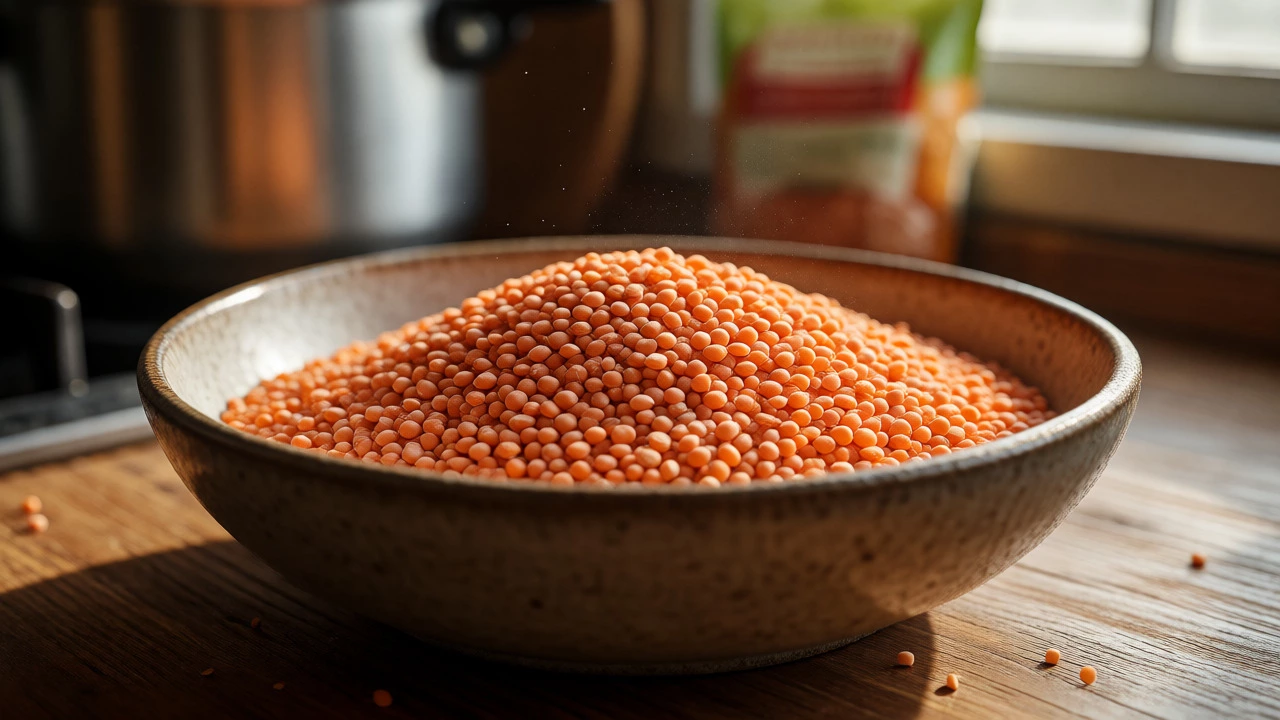
Masoor Dal (Red Lentils)
Why this matters?
Red lentils are hulled and split, so they cook quickly. A short rinse/soak helps remove dust and ensures uniform texture.
Digestive Tip
Always discard the soaking water! This removes oligosaccharides (complex sugars) that cause gas and bloating, as well as some phytic acid which can inhibit mineral absorption.
You are standing in your kitchen, staring at a bag of masoor dal, wondering if you have time to soak it or if you can just throw it straight into the pot. It is one of the most common debates in Indian households. Some people swear that skipping the soak ruins the flavor and makes the lentils hard to digest. Others argue that modern pressure cookers make soaking completely unnecessary. The truth? It depends on what kind of dal you are using and what texture you want. But before you dump those dry lentils into boiling water, there are a few things about phytic acid and digestion you should know.
The Science Behind Soaking Lentils
Lentils, beans, and peas contain natural compounds called anti-nutrients. The biggest culprit here is phytic acid. This substance binds to minerals like iron, zinc, and calcium, making them harder for your body to absorb. When you soak dal, you activate enzymes that break down this phytic acid. According to research published in the Journal of Food Science, soaking legumes for at least 12 hours can reduce phytic acid content by up to 50%. That is a significant jump in nutritional value without changing a single ingredient in your curry. But it is not just about nutrients. Dry lentils have a tough outer skin. If you skip soaking, that skin often remains intact even after long cooking times. You end up with a watery broth and gritty, undercooked centers. Soaking hydrates the seed, allowing heat to penetrate evenly. This means your dal cooks faster and breaks down into that creamy consistency everyone loves.
Which Dals Actually Need Soaking?
Not all dals are created equal. Treating every lentil the same way is a mistake. Here is a quick breakdown of which ones need attention and which ones can go straight into the pan.
| Dal Type | Soaking Time | Why? |
|---|---|---|
| Toor Dal (Pigeon Peas) | 30 mins - 2 hours | Hard texture; benefits from hydration for creaminess. |
| Chana Dal (Split Chickpeas) | 4-8 hours | Dense and large; needs deep penetration to soften. |
| Masoor Dal (Red Lentils) | Optional (10-15 mins) | Naturally soft; cooks quickly even when dry. |
| Moong Dal (Yellow Mung) | Optional (10-15 mins) | Very delicate; over-soaking can make it mushy. |
| Whole Moong or Urad | 6-8 hours | Intact skins block water entry; must be soaked. |
Notice the pattern? Split dals without skins, like red masoor or yellow moong, are forgiving. They dissolve easily. Whole pulses or dense split dals like chana dal demand respect. If you try to rush whole urad dal without soaking, you will likely burn the bottom of your pot before the center is tender.
The Digestion Factor: Why Your Stomach Might Thank You
We all know the reputation lentils have. Gas, bloating, discomfort. These issues stem from oligosaccharides-complex sugars like raffinose and stachyose-that our small intestine cannot digest. Bacteria in the large intestine ferment these sugars, producing gas. Soaking helps here too. Because these sugars are water-soluble, they leach out into the soaking water. If you discard that water instead of cooking in it, you remove a significant portion of the gas-causing agents. I tested this myself with a batch of rajma (kidney beans). One batch was soaked overnight with the water discarded; the other was cooked directly. The difference in comfort levels was noticeable within hours. If you have a sensitive stomach, soaking is not just a culinary preference; it is a digestive aid.
Flavor and Texture: The Culinary Case
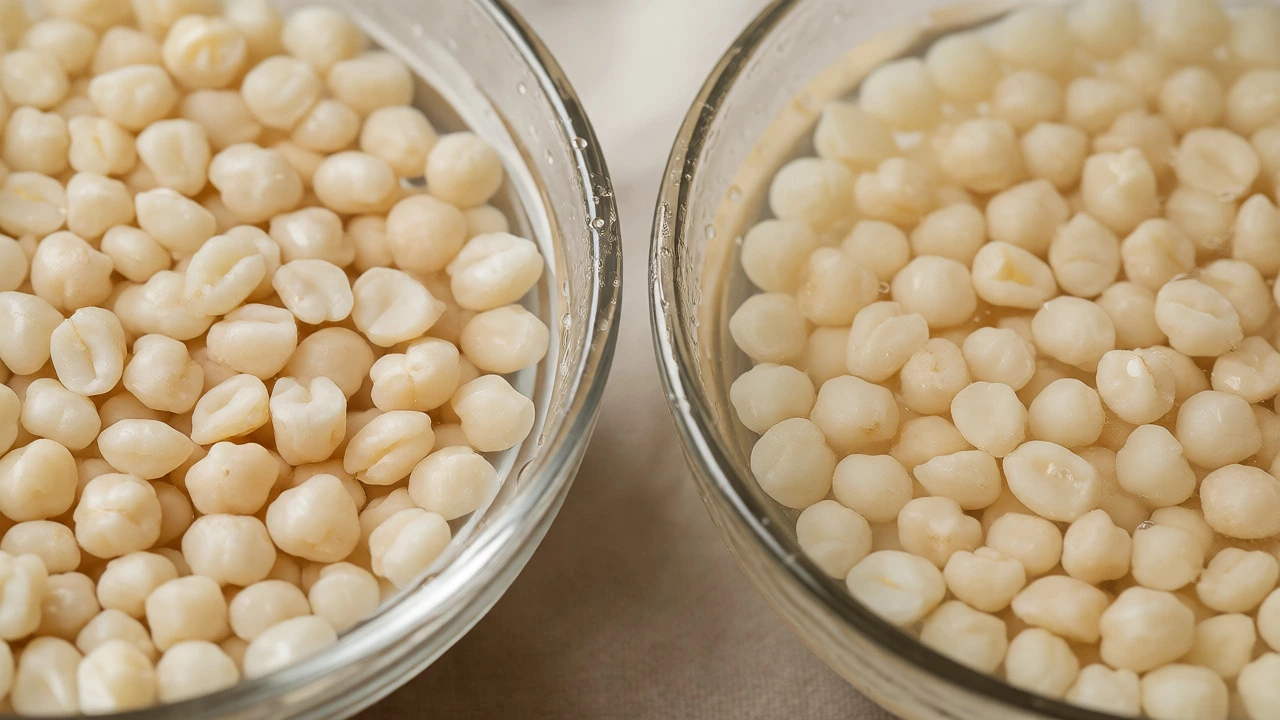
Beyond health, soaking changes how your dal tastes. Unsoaked lentils often release starch slowly and unevenly, leading to a cloudy, thin gravy. Soaked lentils release their starches more readily during cooking, creating a thicker, richer mouthfeel. This is crucial for dishes like Dal Tadka, where the soup should coat the back of a spoon, not splash off it. There is also the issue of color. Red lentils turn a dull brownish-grey if not rinsed and lightly soaked. Soaking helps wash away dust and impurities, resulting in a brighter, more appetizing yellow-orange hue. Plus, soaked lentils cook 20-30% faster. In a busy weeknight scenario, saving ten minutes on the stove is worth the five minutes spent planning ahead.
When You Can Skip the Soak
Life happens. Sometimes you forget to put the dal out. Do not panic. You do not always need an overnight soak. For smaller split dals like masoor or yellow moong, a hot water soak for 15 minutes works wonders. Just boil some water, pour it over the lentils, cover, and let them sit while you chop onions and spices. By the time your tempering is ready, the dal is hydrated enough to cook perfectly. Also, if you use a high-pressure cooker (like an Instant Pot), the intense steam forces water into the lentils rapidly. Many users find that soaked dal turns to mush in these appliances. For pressure cooking, especially with softer dals, skipping the soak gives you better control over the final texture. You get distinct grains rather than a paste.
How to Soak Properly
It sounds simple, but many people do it wrong. Here is the best method to ensure maximum benefit:
- Rinse first: Always wash the dal in cold water until the runoff is clear. This removes dust and surface starch.
- Use enough water: Lentils expand. Use at least three times the volume of water compared to the dal.
- Add salt? Maybe: Some chefs add a pinch of salt to the soaking water. It can help break down the pectin in the cell walls, speeding up softening. However, others argue it toughens the skin. Test it with your favorite dal and see what you prefer.
- Discard the water: Never cook in the soaking liquid unless you are short on time. Pour it down the drain to remove the extracted anti-nutrients and gas-causing sugars.
- Check for sprouting: If you soak for longer than 24 hours, the dal might start to sprout. This is actually great! Sprouted lentils have even lower phytic acid and higher vitamin C content. Just rinse them well before cooking.
If you live in a hot climate like Sydney in summer, keep an eye on your soaking dal. Bacteria love warm, wet environments. If you plan to soak for more than 8 hours, consider putting the bowl in the fridge. This prevents fermentation smells and keeps the lentils fresh.
Troubleshooting Common Dal Mistakes
Even with soaking, things can go wrong. Here are fixes for frequent issues:
- Dal is still hard: Did you use old lentils? Lentils lose moisture over time. If your bag has been sitting in the pantry for two years, extend the soaking time or add a tiny pinch of baking soda to the cooking water. Baking soda softens the skins quickly but can destroy thiamine (Vitamin B1), so use it sparingly.
- Dal is too watery: You likely added too much water initially. Simmer uncovered for 10-15 minutes to evaporate excess liquid. Stir frequently to prevent sticking.
- Dal tastes bitter: This usually happens if you burnt the tempering (tadka) or if the lentils were old and oxidized. Adding a squeeze of lemon juice or a pinch of sugar can balance bitterness.
Ultimately, soaking dal is a habit worth building. It takes minimal effort but yields tangible rewards in nutrition, digestion, and taste. Start with your hardest dals, like chana or whole mung, and work your way down to the easier ones. Your dinner guests-and your gut-will notice the difference.
Can I soak dal for too long?
Yes. If you soak dal for more than 24 hours at room temperature, it may begin to ferment, developing a sour smell and slimy texture. In cooler climates, 12-16 hours is safe. In hot weather, limit soaking to 8 hours or refrigerate the bowl to prevent spoilage.
Does soaking remove protein from dal?
No, soaking does not significantly remove protein. While some water-soluble vitamins and minerals may leach into the water, the macronutrient profile (protein and carbs) remains largely intact inside the lentil. The loss is negligible compared to the gain in mineral bioavailability due to reduced phytic acid.
Is it necessary to soak red lentils (masoor dal)?
It is optional. Red lentils are hulled and split, meaning they lack the tough outer skin that slows down cooking. They become creamy within 15-20 minutes of boiling even without soaking. However, a quick 10-minute rinse-and-soak can help clean them thoroughly and ensure even cooking.
Why is my soaked dal still hard after cooking?
This usually happens for two reasons: the lentils are very old, or you added acidic ingredients (like tomatoes or tamarind) too early. Acid prevents lentils from softening. Always cook the dal until it is fully tender before adding any acidic components to your recipe.
Does soaking help with gas and bloating?
Yes, significantly. Oligosaccharides, the complex sugars responsible for gas, are water-soluble. Soaking allows these sugars to leach out into the water. Discarding the soaking water removes a large portion of these gases, making the dal much easier to digest for sensitive stomachs.
