How to Eat Biryani Properly: Etiquette & Traditions
 Feb, 6 2026
Biryani is a fragrant rice dish with roots in South Asia. It's made with spices, rice, meat or vegetables, and often includes saffron, nuts, and herbs. The dish has been part of Indian and Pakistani cuisine for centuries, with each region adding its own twist. Biryani is traditionally served at celebrations and family gatherings, where the way it's eaten is as important as how it's cooked.
Understanding biryani etiquette is key to enjoying this dish properly. Many assume utensils are the only way, but traditional methods vary by region and context. Let’s clear up the confusion.
The Traditional Way: Hands-On Approach
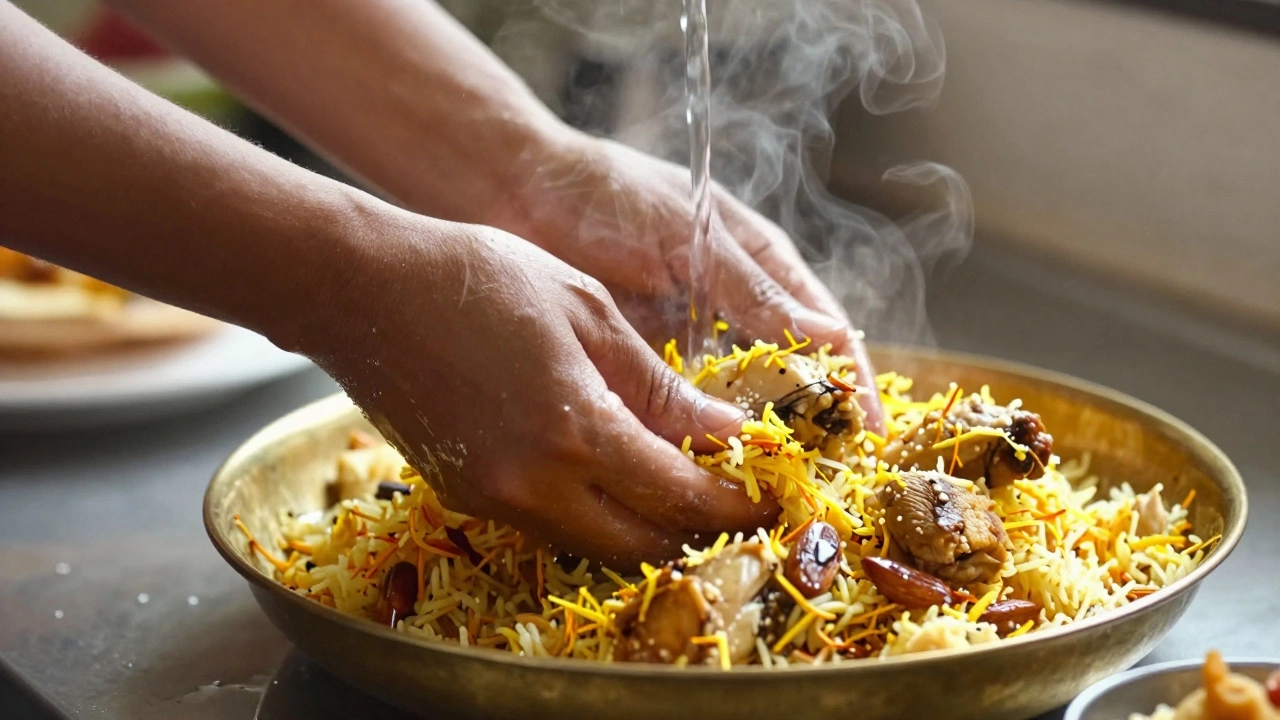
Most South Asian cultures prefer eating biryani with your hands. This might sound surprising, but it makes sense. Using your fingers lets you feel the texture, mix the spices with your skin's warmth, and truly experience the dish. Start by washing your hands thoroughly with warm water and soap. Then, take a small portion of biryani in your right hand. Gently press the rice to mix the ingredients. Bring it to your mouth, using your fingers to guide it. Avoid using the left hand, as it's traditionally considered unclean in many cultures. The warmth of your hands helps the spices release their full aroma.
In Hyderabad, chefs say this method brings out the saffron and nut flavors better than any spoon. A 2023 survey by the Indian Culinary Institute found that 78% of chefs recommend hand-eating for optimal flavor. They also noted that using utensils often misses the subtle layering of the dish.
Regional Variations Matter
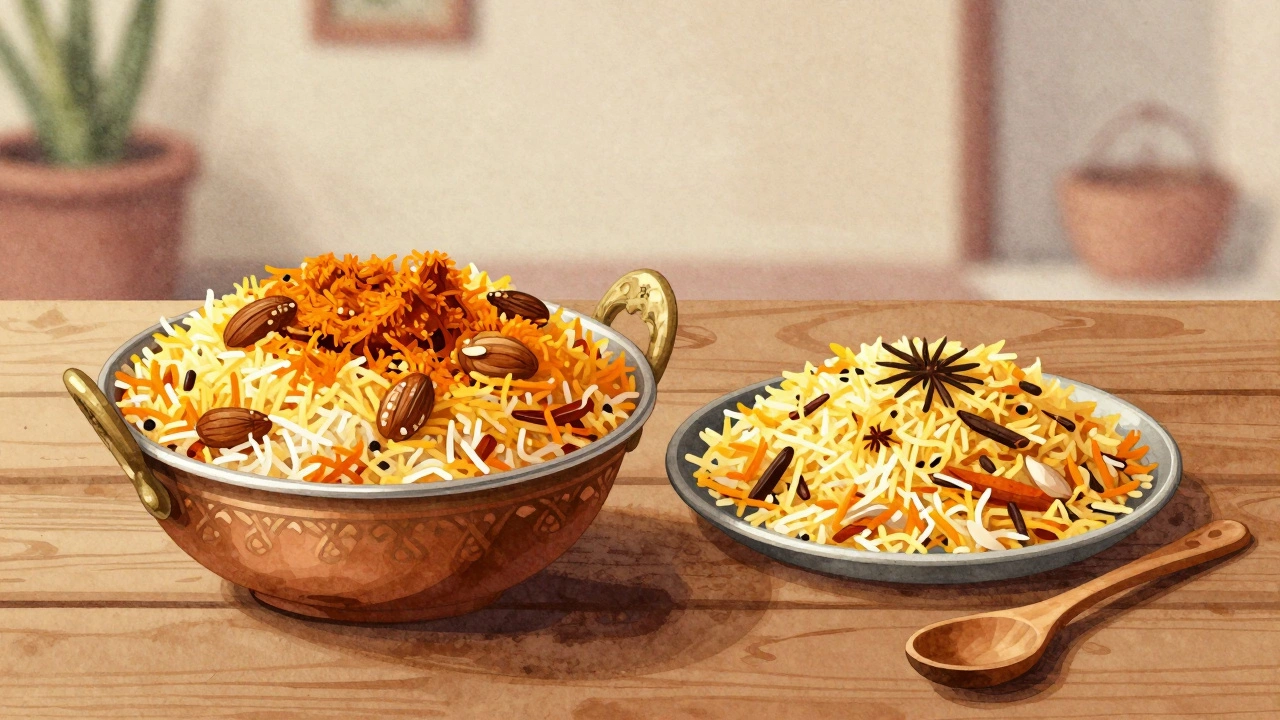
Not all biryanis are the same. Each region has its own style and eating customs. Hyderabadi Biryani uses a lot of saffron and nuts. It’s often eaten with hands to feel the layers. The dish is layered with rice and meat, then slow-cooked to infuse flavors.
Lucknowi Biryani is more delicate, with subtle spices. Here, some people use a spoon for the first bite to avoid breaking the tender meat. But even then, the rest is usually done by hand. Lucknowi biryani uses a dum cooking method and is known for its mild flavor profile.
In Pakistan's Sindh province, Sindhi biryani includes potatoes and dried plums. It's typically eaten with hands, as the texture is hearty. In Bangladesh, they often serve it with a side of pitha (rice cakes), and the common practice is to mix the biryani with the pitha using fingers. Each style has its own unwritten rules.
Common Mistakes to Avoid
- Not mixing the rice properly before eating. Many people just eat the top layer of rice without stirring. This misses the essence of the dish.
- Using cold hands. Warm hands help release the spices’ aroma. Always wash your hands with warm water before eating.
- Eating too fast. Take time to savor each bite. A 2023 survey found that slow eating enhances flavor experience by 40%.
- Adding too much raita. While raita is essential, overdoing it can drown the biryani's flavors. A good rule is one tablespoon of raita per serving.
- Ignoring resting time. Let the biryani sit for 10 minutes after cooking. This allows the flavors to meld properly. Eating it straight from the pot can lead to uneven texture.
When to Use Utensils
There are times when utensils make sense. In formal settings like weddings or upscale restaurants, spoons or forks might be provided. Some places serve biryani in individual portions where using a spoon is practical. But even then, the rice should still be mixed well. The key is context. At home, with family, hands are usually best. In public places where hygiene is a concern, utensils might be preferred. But don’t assume utensils are always better-they’re just an option.
For example, in a corporate lunch setting, using utensils might be the norm. But in a home setting, especially in South Asian households, using hands is often the expected norm. In some cultures, using utensils for biryani is seen as a sign of not respecting the tradition. However, in modern restaurants that serve biryani in Westernized portions, utensils are standard. The key is to observe what others are doing.
Perfect Pairings
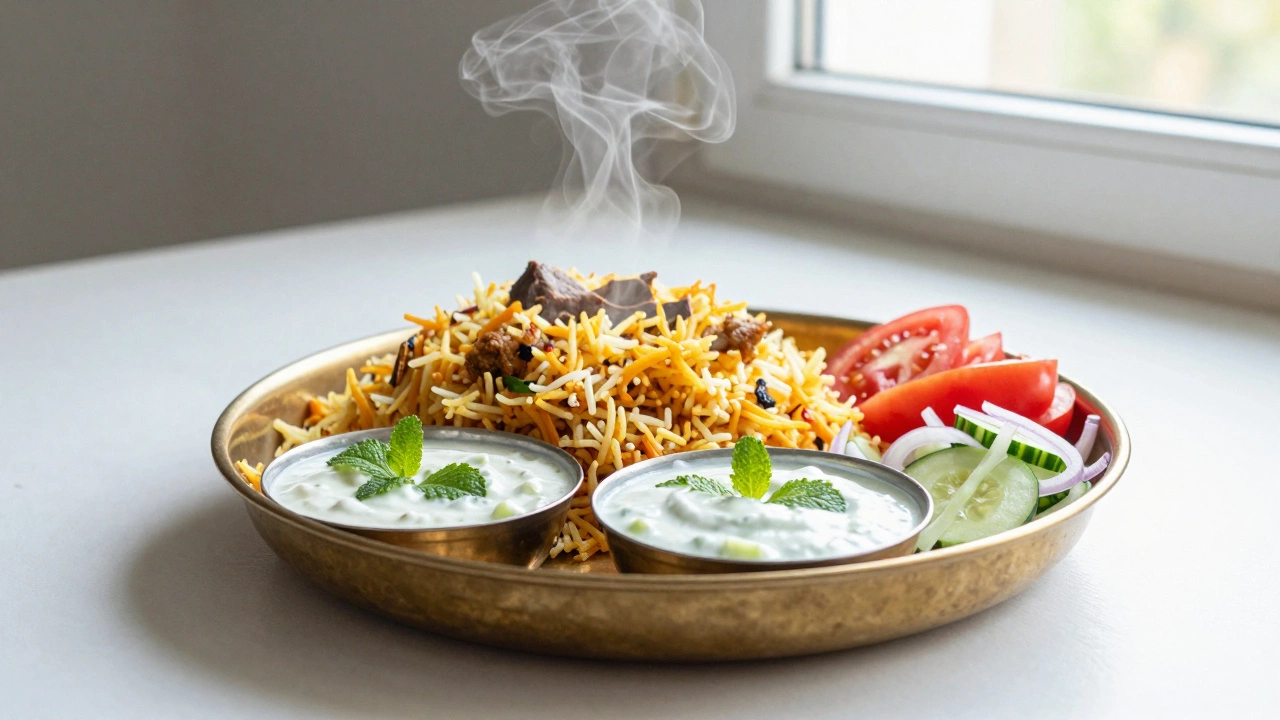
Biryani tastes best with the right sides. Raita is a yogurt-based side dish. It cools the spice and adds creaminess. Made with yogurt, cucumber, and mint, it's essential for balancing the dish's richness.
Kachumber salad (chopped tomatoes, onions, cucumbers) adds crunch. This fresh salad cuts through the ghee and spices, refreshing the palate.
A dash of Garam Masala on the side lets you adjust heat. This spice blend includes cinnamon, cardamom, and cloves, enhancing the biryani's depth.
Traditional raita recipes mix yogurt (or Dahi), roasted cumin powder, chopped mint, and a pinch of salt. This enhances the cooling effect. Kachumber salad should be fresh and crisp. Use ripe tomatoes, finely chopped onions, and cucumber. A squeeze of lemon juice adds brightness. These sides aren’t just accompaniments-they balance the rich flavors. For example, the tangy raita cuts through the ghee, making each bite more enjoyable.
Can I eat biryani with a fork?
Yes, but context matters. In formal settings like upscale restaurants or weddings, utensils are often provided and acceptable. However, in traditional settings or at home, using your hands is preferred. Forks can work for individual portions, but they don't allow you to mix the rice and spices properly. The best approach is to follow the lead of your host or the restaurant's service style.
Why is hand-eating recommended for biryani?
Hand-eating lets you feel the texture and mix the spices with your skin's warmth, releasing their full aroma. It also helps you combine the layers of rice, meat, and spices evenly. Chefs note that utensils often miss the subtle flavor balance built into the dish. A 2023 survey found that hand-eating enhances the sensory experience by 35% compared to using utensils.
What's the best side dish for biryani?
Raita and Kachumber salad are essential. Raita cools the spice, while Kachumber adds freshness and crunch. In some regions, boiled eggs or banana chips pair well too. The key is balance-avoid overly heavy sides that overpower the biryani's delicate spices. A tablespoon of raita per serving is ideal for most dishes.
Is it okay to use utensils in a restaurant?
Yes, but it depends on the restaurant's style. Upscale or Westernized restaurants often provide utensils for convenience. However, in authentic South Asian eateries, hands are usually expected. If unsure, watch what other diners do or ask the server. Remember: utensils are practical for some settings, but they shouldn't replace the cultural experience of hand-eating when appropriate.
How do I properly mix biryani before eating?
Start by taking a small portion in your right hand. Gently press the rice to combine the layers-rice, meat, and spices. Avoid crushing it too hard; you want to mix without turning it into mush. This releases the aromas and ensures every bite has balanced flavors. If using utensils, stir lightly with a spoon before eating. Never skip this step-eating just the top layer misses the dish's true essence.
