How to Fix Bitter Chutney: Quick Tips to Balance the Flavor
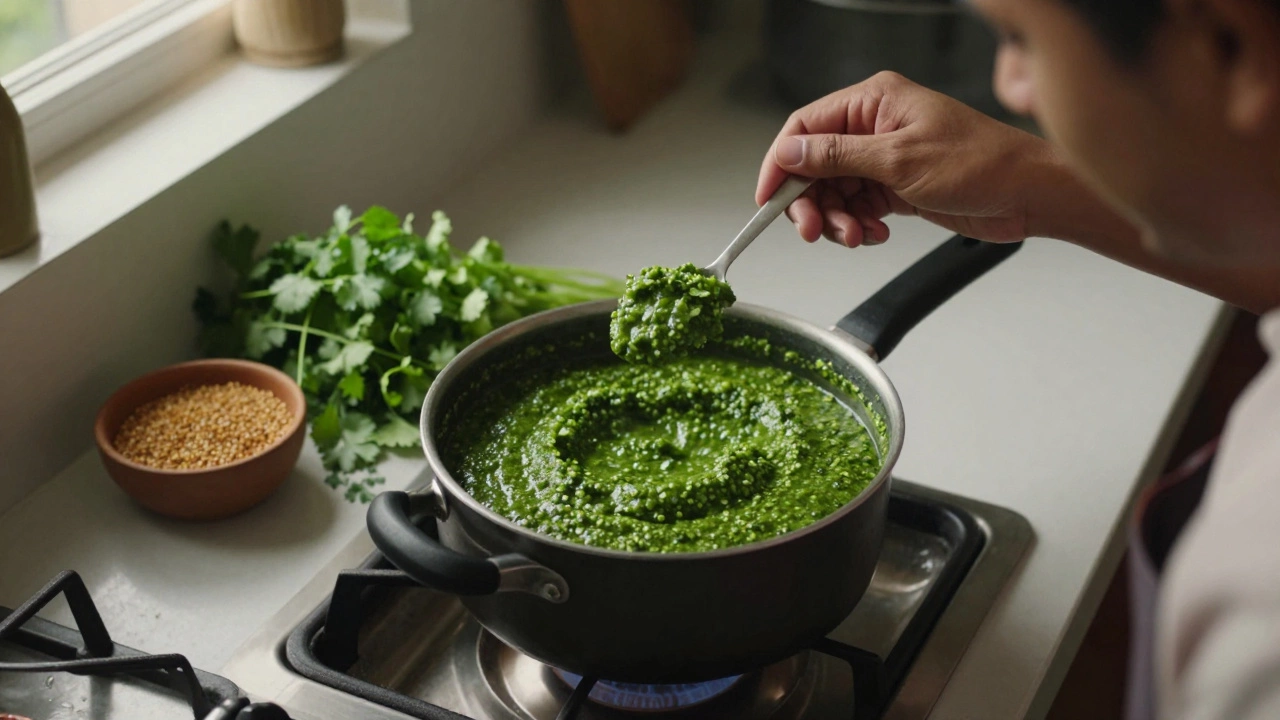 Apr, 28 2026
Chutney Flavor Balance Tool
What does your chutney taste like?
Select the type of bitterness to find the perfect corrective agent.Tastes like carbonized spices or charred ingredients.
Tastes like herb stems or raw organic bitterness.
Tastes like overly concentrated acids or metallic tang.
Tastes too intense or dense in bitterness.
Recommended Fix:
The Quick Fix Summary
- Add Sweetness: Brown sugar, honey, or jaggery cut through bitterness immediately.
- Increase Acidity: Lemon juice, apple cider vinegar, or tamarind paste brighten the flavor.
- Introduce Fat: A dollop of butter, coconut oil, or cream coats the tongue and blocks bitter receptors.
- Dilute the Base: Add more of the primary ingredient (like coconut or tomato) to spread the bitterness.
- Add Salt: A pinch of salt can actually suppress the perception of bitterness.
Why Your Chutney Turned Bitter
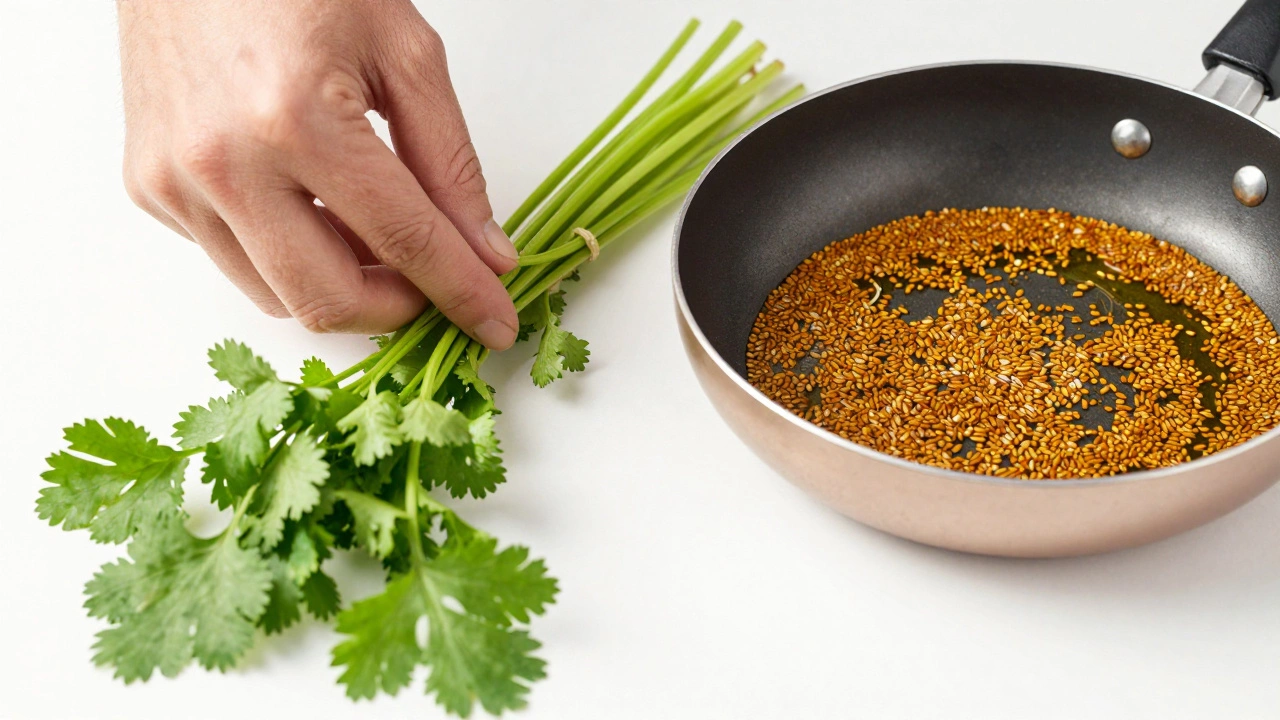
Before we fix the problem, it helps to know where the bitterness came from so you don't repeat the mistake. Often, it's about the ingredients. For example, if you're making a green chutney, using the stems of the coriander or parsley can introduce a woody, bitter edge. In coconut-based chutneys, using old or rancid coconut can create a sharp, unpleasant taste.
Then there's the cooking process. If you're tempering spices in oil, it only takes a few seconds for Mustard Seeds or cumin to go from toasted to burnt. Burnt spices release carbonized compounds that permeate the entire dish. Even if you scoop out the burnt bits, the flavor remains.
Some people also run into trouble with Tamarind or certain types of vinegar. If you use too much of a concentrated acidic agent without balancing it with sugar, it can perceive as a metallic bitterness rather than a sharp tang.
Using Sweeteners to Neutralize
Sweetness is the most direct opponent to bitterness. It doesn't remove the bitter compound chemically, but it confuses your taste buds, making the bitterness less noticeable. The key here is to add your sweetener in tiny increments. You want a balanced chutney, not a jam.
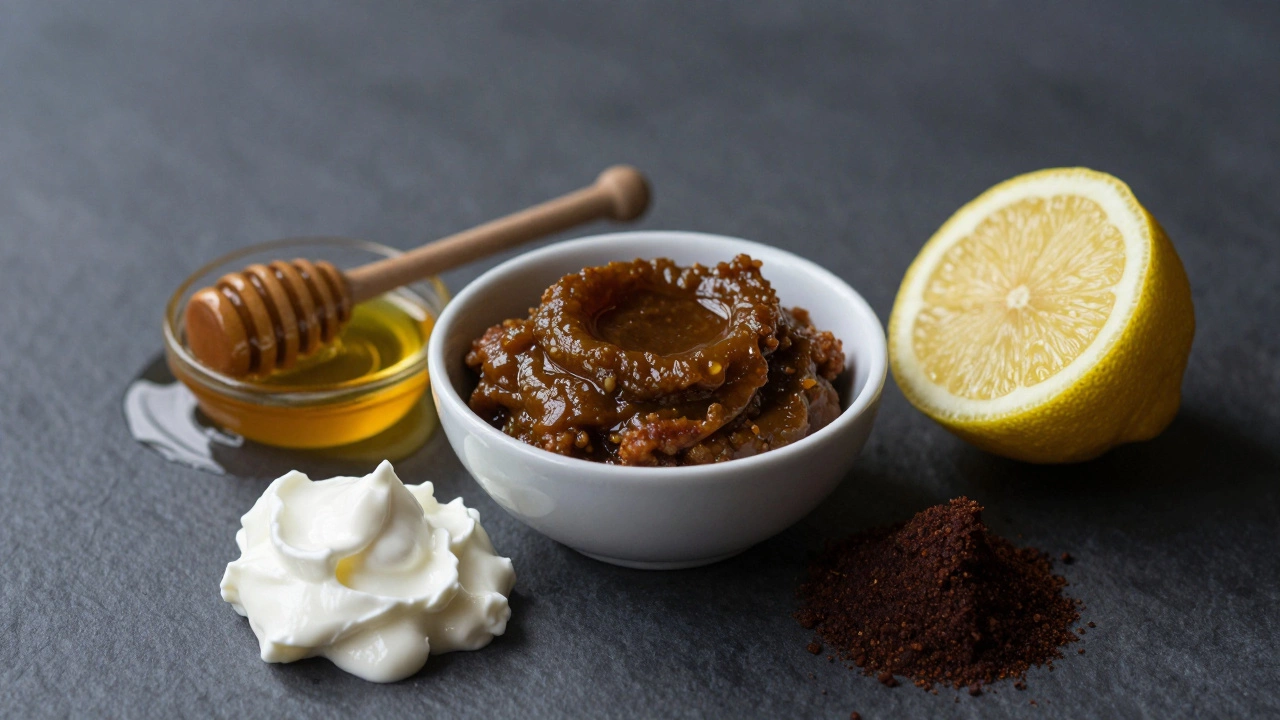
If you are making a traditional Indian chutney, Jaggery is your best bet. It has a deep, molasses-like flavor that blends well with savory spices. For a fresher, zingier chutney, a teaspoon of honey or organic brown sugar works wonders. If the chutney is incredibly bitter, start with a half-teaspoon, stir it in well, and taste it again. Wait a minute for the flavors to meld before adding more.
The Power of Acidity and Salt
It sounds counterintuitive to add more "sharp" flavors to something that already tastes off, but acidity changes the structure of how we perceive taste. Adding Lemon Juice or a splash of white vinegar can "lift" the flavor profile. The acid cuts through the heavy bitter notes, making the overall taste cleaner.
Salt also plays a fascinating role. In small amounts, salt suppresses the brain's ability to detect bitterness. This is why many professional chefs add a pinch of salt to bitter greens like kale or radicchio. If your chutney tastes flat and bitter, try adding a tiny bit more salt. It often acts as a bridge that connects the sweet and sour elements, smoothing out the jagged edges of the bitterness.
| If the taste is... | Try adding... | Why it works |
|---|---|---|
| Burnt/Smoky Bitter | Jaggery or Brown Sugar | Sweetness masks carbonized flavors |
| Woody/Stemmy Bitter | Lemon Juice or Vinegar | Acidity cuts through organic bitterness |
| Sharp/Metallic Bitter | Yogurt, Butter, or Cream | Fats coat the palate |
| Over-concentrated | More base (Coconut/Tomato) | Dilution reduces bitter density |
Adding Fats to Smooth Things Over
Fat is an incredible tool for neutralizing bitterness. This is why many creamy chutneys, like those using Coconut Milk or yogurt, are so popular. Fat molecules bind with some of the bitter compounds, preventing them from hitting your taste receptors as intensely.
If your chutney is a dry or paste-like consistency, try stirring in a tablespoon of unsalted butter or a teaspoon of coconut oil. If it's a dip-style chutney, adding a spoonful of Greek yogurt or cashew paste can transform the texture and the taste. Not only does this fix the bitterness, but it adds a rich, luxurious mouthfeel that makes the condiment feel more professional.
Dilution: The Fail-Safe Method
When all else fails, dilution is the most reliable method. If you have a small batch that is too bitter, the easiest fix is to simply make another small batch-without the problematic ingredient-and mix the two together. This effectively halves the concentration of the bitter compounds.
For example, if you overdid the ginger or used too many chili seeds, blend a fresh portion of the main ingredients (like fresh cilantro, mint, or tomatoes) and fold it into the bitter mix. This doesn't just fix the taste; it preserves the original intention of the recipe without making it too sweet or too sour from the corrective additives.
Pro Tips to Prevent Bitterness in the First Place
Prevention is always better than a cure. To avoid this headache in your future chutney recipes, keep these rules of thumb in mind:
- Trim your herbs: Only use the leaves of coriander, mint, and parsley. The stems carry the highest concentration of bitter alkaloids.
- Control your heat: When tempering Cumin Seeds, remove the pan from the heat the moment they start to sizzle and turn brown.
- Sift your spices: Ensure your ground spices are fresh. Old, oxidized spices can develop a bitter, rancid taste.
- Seed your chilies: If you're using very hot peppers, remove the white membranes and seeds, which can sometimes contribute to a harsh bitterness.
Can I fix a chutney that tastes bitter because it burnt?
Yes, but it is harder than fixing "natural" bitterness. Start by removing any visibly burnt pieces. Then, add a small amount of jaggery or honey to mask the carbon flavor. If it's still too smoky, dilution is your best bet-mix the burnt batch with a fresh, unburnt batch of the same chutney.
Will adding more salt make it more bitter?
Actually, the opposite is true. In small amounts, salt suppresses bitterness. However, if you add too much, you'll simply have a chutney that is both bitter and overly salty, which is much harder to fix. Add salt in tiny pinches and taste as you go.
Why does my coconut chutney taste bitter?
This usually happens for two reasons: the coconut has gone rancid, or you over-roasted the lentils/seeds used for tempering. If the coconut is the issue, the chutney may be unsafe to eat. If it's the tempering, add a squeeze of lemon juice and a pinch of sugar to balance it out.
Can I use vinegar instead of lemon juice?
Yes, vinegar works well. However, vinegar has a more aggressive, sharp profile than lemon juice. Use it sparingly, starting with a few drops. Apple cider vinegar is often a better choice for savory chutneys as it has a slight fruitiness that complements the bitterness better than white distilled vinegar.
Is there a way to remove bitterness without adding sugar?
Absolutely. You can use fats like yogurt, cream, or coconut milk to coat the palate. Alternatively, increasing the volume of the primary vegetable (like adding more blended tomatoes or boiled potatoes) will dilute the bitter compounds without altering the flavor profile with sweeteners.
Next Steps for Your Batch
If you've tried a bit of everything and the chutney is still not hitting the mark, don't be afraid to pivot. Sometimes a "failed" chutney can be repurposed. A bitter chutney can often be blended into a larger sauce or used as a marinade for grilled meats or paneer, where the strong flavors of the main dish will mask the bitterness of the condiment.
If the bitterness is coming from spoiled ingredients (like old oil or sour coconut), the safest move is to start over. Your health is more important than a few ingredients. But for most cooking errors, the combination of a little sugar, a squeeze of lime, and a bit of fat will save your meal every time.
