How to Fix Bitter Chutney: Simple Tips to Balance the Flavor
 Apr, 28 2026
Chutney Flavor Rescue Guide
What is the primary cause of the bitterness?
Recommended Fix:
Quick Fixes for Bitter Chutney
- Add Sweetness: Brown sugar, honey, or jaggery can mask bitterness by engaging different taste buds.
- Increase Acidity: A splash of lemon juice or apple cider vinegar cuts through heavy, bitter notes.
- Dilute the Batch: Adding more of the base ingredient (like more mango or coriander) spreads the bitterness thinner.
- Add Fat: A small knob of butter or a drizzle of oil can coat the palate and soften the sharp edges of bitter spices.
Why Did Your Chutney Turn Out Bitter?
Before you can fix the taste, you need to know where it came from. If you don't find the root cause, you might accidentally make the problem worse by adding too much of the wrong thing. Here are the most common culprits.
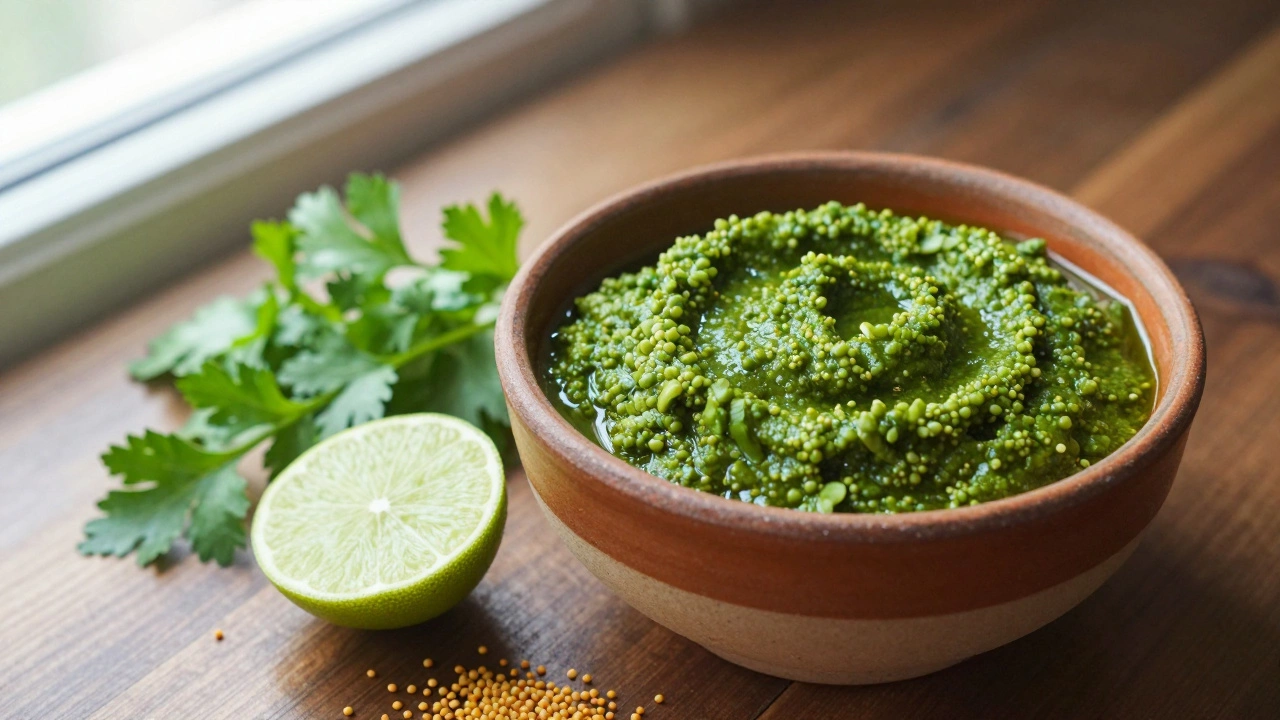
First, look at your seeds. If you're making a Coriander Chutney and you accidentally blended in the thick stems or too many seeds, you'll get a grassy, bitter punch. Similarly, if you used a lemon or lime and accidentally included the white pith (the spongy part under the skin), that's a direct ticket to bitterness.
Then there's the heat. If you're tempering spices in oil, it only takes a few seconds for Mustard Seeds or cumin to go from toasted to burnt. Once spices burn, they release carbonized compounds that taste acrid. If you see black specks in your oil that look like charcoal rather than toasted seeds, that's your answer.
Finally, consider your ingredients' freshness. Using old, wilted herbs or over-ripe produce can introduce off-flavors. Some people also over-process their chutney in a high-speed blender; if the blades run too long, they can heat up the greens, releasing an enzyme that tastes metallic or bitter.
Step-by-Step Guide to Balancing the Flavor
Don't just dump in a cup of sugar. You want to take the bitterness out of chutney while keeping the original character of the recipe. Follow this sequence to save your batch.
- The Taste Test: Taste a small amount and identify if the bitterness is "sharp" (like burnt garlic) or "earthy" (like too much turmeric).
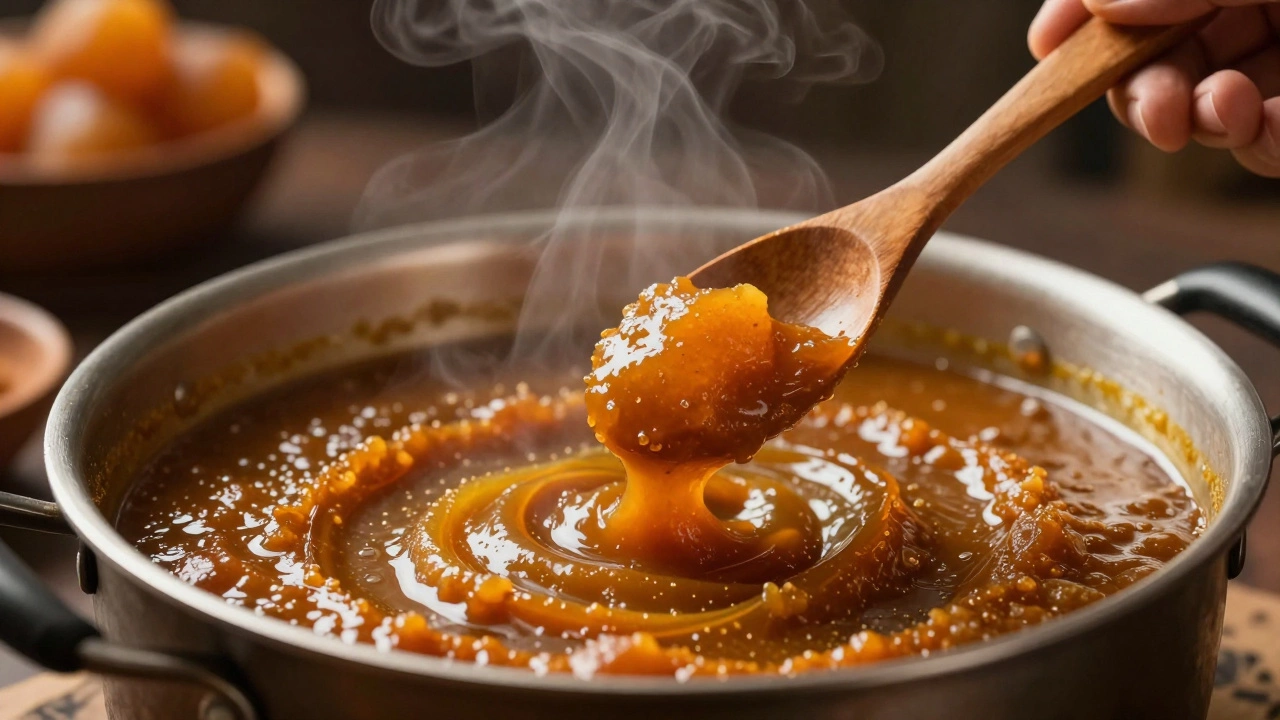
- The Sweet Neutralizer: Start with a small amount of Jaggery or palm sugar. These have a deep, molasses-like flavor that works better than white sugar for masking bitterness. Add one teaspoon, stir, and taste.
- The Acid Balance: If it's still too bitter, add an acidic element. Tamarind Paste is a secret weapon here because it provides both sweetness and a sharp tang that distracts the tongue from bitter notes.
- The Volume Boost: If the flavor is overwhelmingly bitter, the only real solution is dilution. Blend a fresh batch of the primary vegetable or fruit (without the spices) and fold it into the bitter mixture.
- The Final Simmer: If your chutney is a cooked variety, let it simmer for another 10 minutes after adding your fix. This allows the new sugars and acids to bond with the bitter compounds.
Comparing Fixes: What to Use When
| Bitter Cause | Best Fix | Why it Works | Warning |
|---|---|---|---|
| Burnt Spices | Jaggery / Brown Sugar | Opposing flavor profile | Don't over-sweeten |
| Citrus Pith/Peel | Lemon Juice / Vinegar | Acidity cuts the alkali bitterness | Can make it too tart |
| Too much Turmeric | Fresh Cream or Yogurt | Fats neutralize the spice | Changes texture to creamy |
| Wilted Greens | Fresh Salt / Acid | Brightens the dull flavor | Don't over-salt |
Pro Tips to Avoid Bitterness in the Future
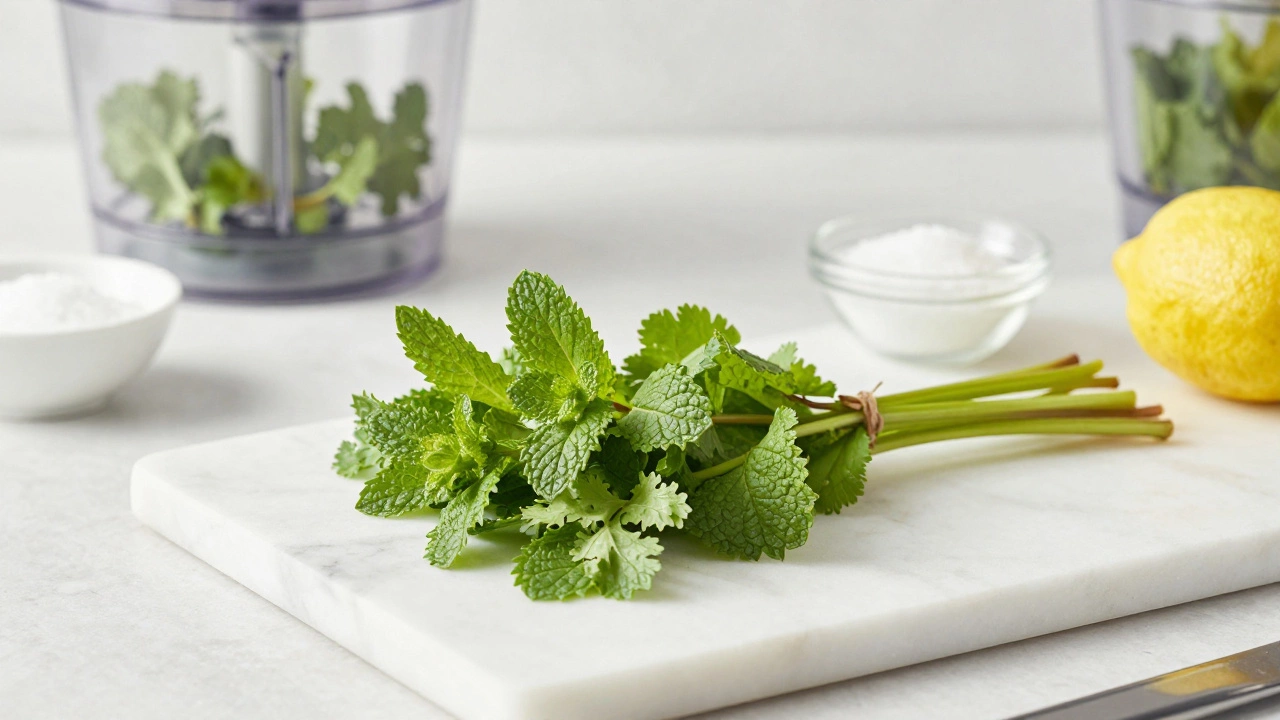
Prevention is always easier than a cure. When you're prepping your ingredients, be ruthless with the stems. For greens like mint or cilantro, pull the leaves off the thickest part of the stem. The leaves hold the aroma; the stems hold the bitterness.
When it comes to the stove, use the "low and slow" method for tempering. Heat your oil until it just shimmers, then add your seeds. As soon as they start to pop and dance, add your aromatics like ginger or garlic. This prevents the seeds from overheating and turning acrid.
If you're using a food processor, pulse the ingredients instead of running it on high for minutes at a time. This keeps the temperature low and prevents the blades from "cooking" the fresh herbs into a bitter paste.
Another great trick is to salt your vegetables first. If you're using something like bitter gourd or certain types of greens, sprinkle salt on them and let them sit for 15 minutes. Rinse the salt off before blending. This draws out the naturally bitter juices, leaving you with a cleaner base.
When to Give Up and Start Over
While most chutney mistakes are fixable, some are too far gone. If you've accidentally burnt your spices to the point where the chutney looks dark brown or black and smells like smoke, no amount of sugar will save it. The burnt carbon particles create a persistent, chemical taste that persists even after dilution.
Similarly, if you've over-added a potent bittering agent-like too much baking soda (which can happen in some fermented versions) or an excessive amount of alum-the chemical balance is shifted too far. In these cases, it's better to compost the batch and try again. It's a waste of ingredients, but it's better than serving a dish that your guests will find inedible.
Can I use baking soda to remove bitterness?
No, avoid using baking soda in chutney. While it can neutralize some acids, it often adds a soapy or metallic taste of its own, which can make a bitter chutney even more unpleasant. Stick to sugars, acids, and fats.
Does adding salt remove bitterness?
Salt doesn't remove bitterness, but it can suppress it. Salt tricks your taste buds into not noticing the bitter notes as much, while enhancing the other flavors. However, too much salt will just make your chutney salty and bitter at the same time.
What is the best sugar for fixing a savory chutney?
Jaggery or brown sugar are the best choices. They have a complex, caramel-like depth that blends into savory flavors more naturally than white granulated sugar, which can taste too "candy-like" in a savory sauce.
Can I add water to dilute the bitterness?
Adding water will dilute the flavor, but it will also thin out the consistency, making your chutney watery. Instead, dilute it by adding more of the primary ingredients (like blended mango or tomato) to maintain the thickness.
Why does my mint chutney taste bitter after a few days?
This usually happens due to oxidation or the breakdown of enzymes in the mint leaves. To prevent this, add a bit of extra lemon juice or a pinch of citric acid during the blending process, which acts as a preservative and keeps the color vibrant and the taste fresh.
