Is Dosa Healthy? The Truth About Nutrition, Digestion, and Batter Secrets
 Jul, 3 2026
Dosa Nutrition & Health Calculator
Nutritional Breakdown
Macros
- Calories 0 kcal
- Carbohydrates 0g
- Protein 0g
- Fat 0g
- Fiber 0g
Health Metrics
Visual comparison against daily recommended limits or optimal targets.
That thin, crispy golden circle sizzling on the pan. It smells like comfort, tradition, and a weekend morning in South India. But as you reach for your fork, a nagging question pops up: is this carb-heavy crepe actually good for me, or am I just eating fried flour?
The short answer is yes, dosa can be incredibly healthy. But it depends entirely on how you make it. A store-bought instant mix dosa is a different beast compared to one made from scratch with overnight fermentation. To understand why, we have to look past the crust and into the science of the batter.
The Magic of Fermentation: Why Homemade Wins
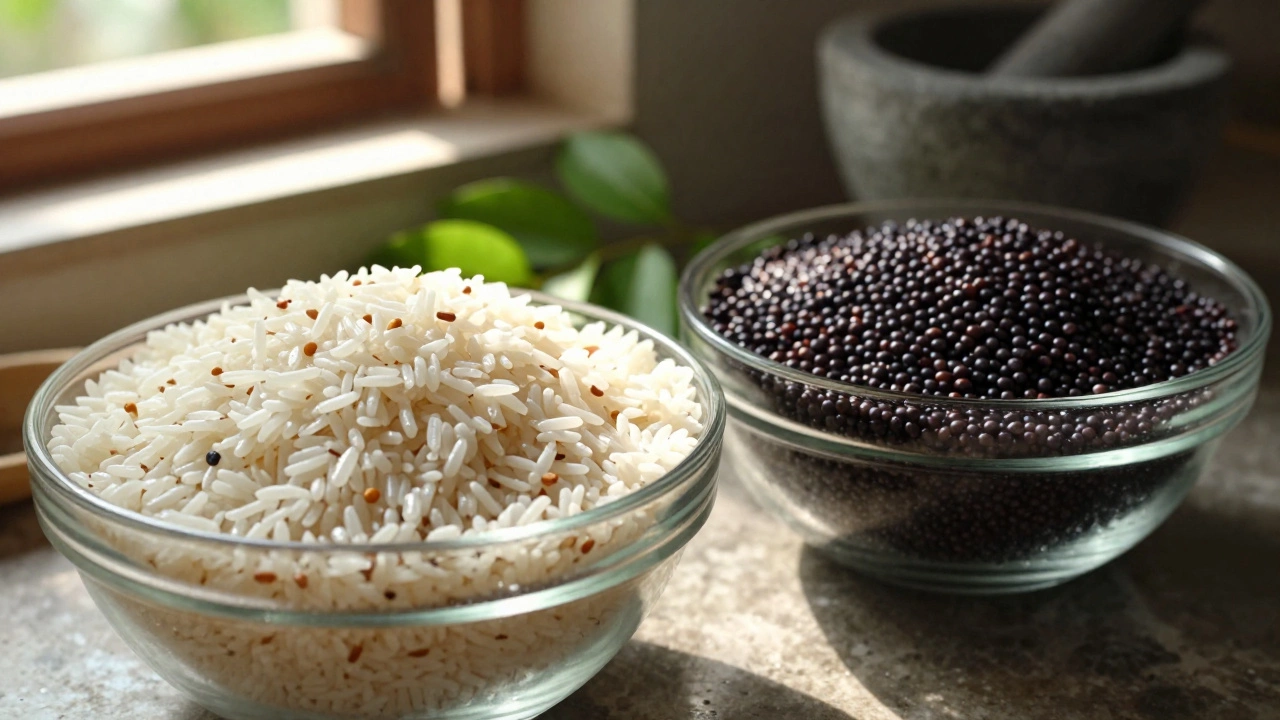
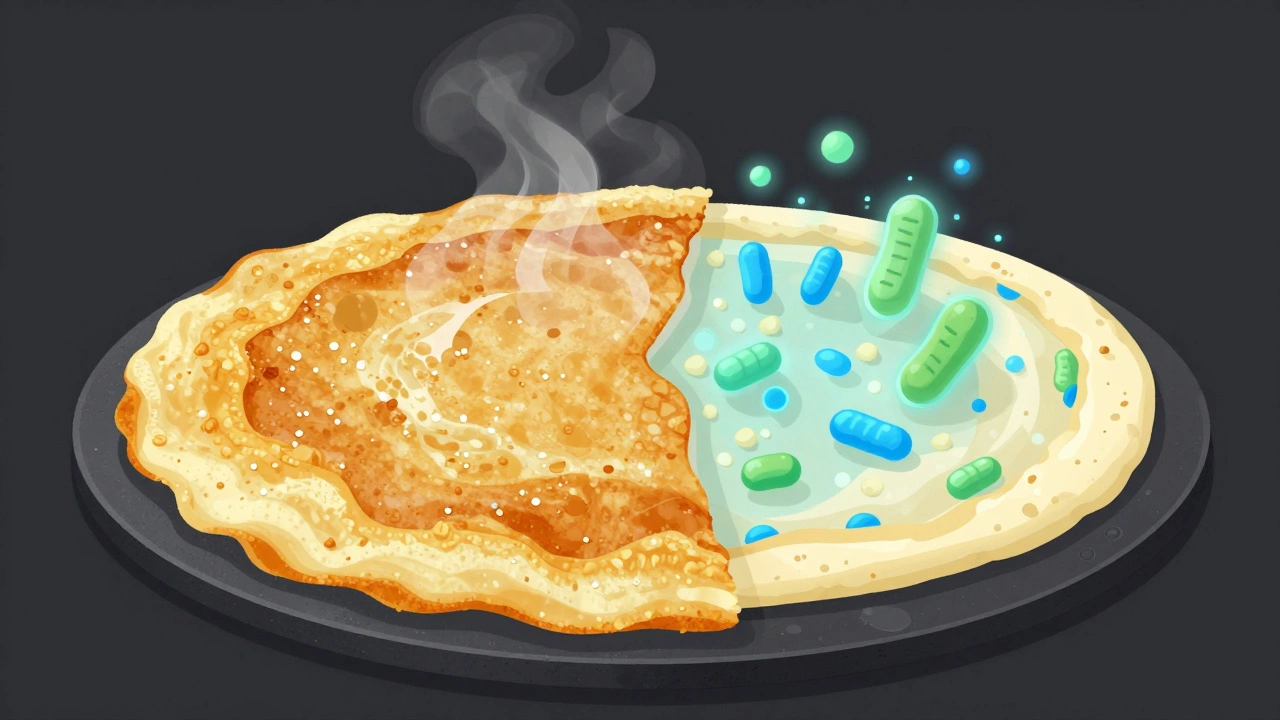
If you are comparing a homemade dosa to a chapati or a slice of white bread, the dosa usually comes out on top. The secret weapon here is fermentation. When you soak rice and urad dal (black gram) separately and then grind them together, you create a slurry that sits for 8 to 12 hours. During this time, natural yeasts and bacteria go to work.
This process does three critical things for your body:
- Lowers Glycemic Index: Fermentation breaks down complex starches into simpler sugars gradually. This means your blood sugar spikes less sharply than it would after eating non-fermented rice cakes or white toast.
- Increases Bioavailability: The acids produced during fermentation neutralize phytic acid found in grains and legumes. Phytic acid blocks the absorption of minerals like iron, zinc, and calcium. By breaking it down, your body absorbs more nutrients from the same amount of food.
- Pre-digests Proteins: The bacterial action starts breaking down proteins before they even hit your stomach. This makes the dosa easier to digest, which is why people often feel lighter after a dosa breakfast compared to a heavy paratha meal.
However, this magic only happens if you ferment properly. If you use an electric mixer to rush the process or add baking soda to force rising, you lose most of these nutritional benefits. You are essentially getting flatbread with extra steps.
Nutritional Breakdown: What’s Actually Inside?
Let’s look at the numbers. A standard medium-sized plain dosa (about 10 inches in diameter) made from traditional rice and urad dal batter contains roughly:
| Nutrient | Amount | Impact |
|---|---|---|
| Calories | ~150-170 kcal | Moderate energy source |
| Carbohydrates | ~30g | Primary fuel source |
| Protein | ~4-5g | Low, but better than pure rice |
| Fat | ~2-3g | Very low (if cooked with minimal oil) |
| Fiber | ~1g | Low; needs pairing with veggies |
The protein content is modest. While urad dal adds plant-based protein, the ratio of rice to dal in traditional recipes is usually high (often 3:1 or 4:1). This makes dosa primarily a carbohydrate dish. For a balanced meal, you cannot rely on dosa alone for satiety or muscle repair. You need to pair it wisely.
The Hidden Calories: Oil and Accompaniments
Here is where most people derail their health goals. The dosa itself is lean. The problem arises when you cook it. Many cooks pour generous amounts of ghee or vegetable oil around the edges to get that perfect crispiness. Just one tablespoon of oil adds 120 calories and 14 grams of fat. If you eat two dosas with oil, you’ve added nearly 300 empty calories.
Then there are the sides. Sambar and coconut chutney are nutritious in moderation. Sambar provides fiber and vitamins from vegetables like drumstick, pumpkin, and lentils. Coconut chutney offers healthy fats and probiotics if made fresh. However, portion control matters. A bowl of sambar can easily push your sodium levels up if too much salt is used, and large servings of chutney add significant saturated fat.
Avoid the trap of "hotel style" dosa. In restaurants, dosas are often dipped in oil before spreading, and served with massive portions of spicy, oily chutneys. At home, you control the spoon. Use a non-stick tawa (griddle) and brush only a few drops of oil, or cook it completely dry for a lower-calorie option.
How to Make Your Dosa Healthier
You don’t have to give up dosa to eat well. You just need to tweak the ingredients. Here are practical swaps that boost nutrition without ruining the texture.
1. Change the Grain Ratio
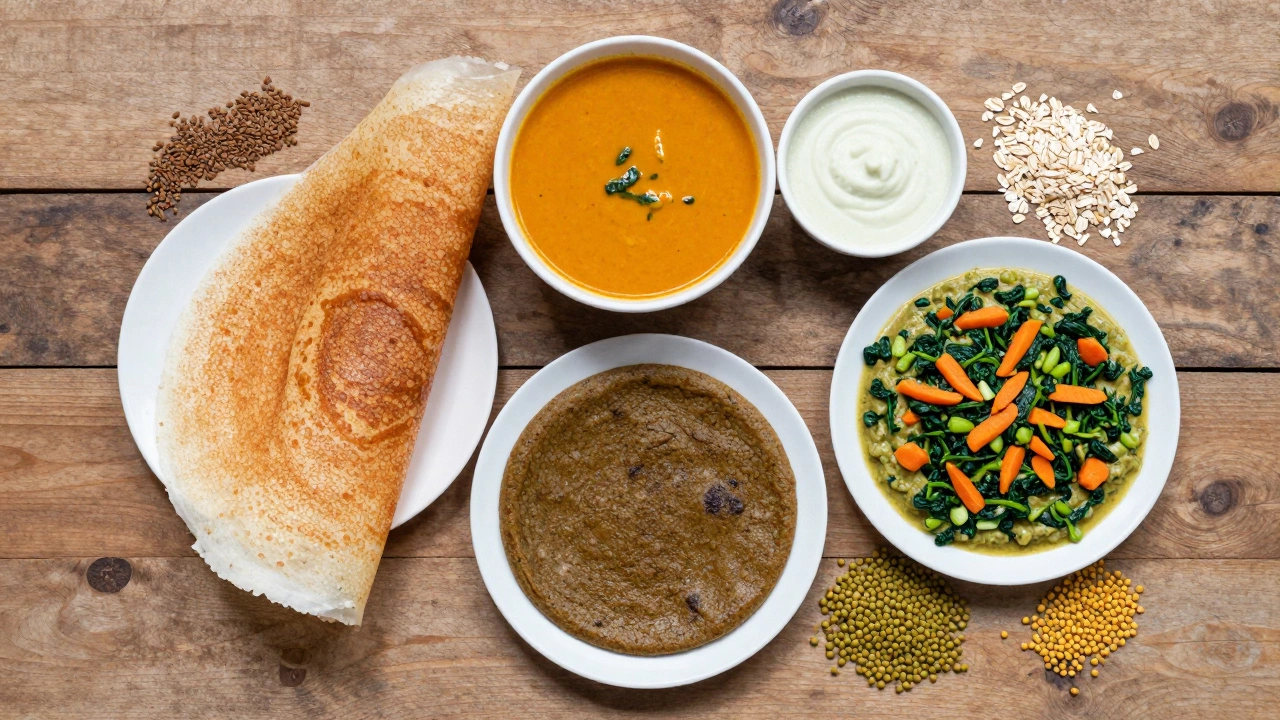
Traditional dosa uses mostly rice. Try reducing the rice-to-dal ratio. Instead of 3 cups rice to 1 cup dal, try 2:1 or even 1:1. More dal means more protein and fiber. The batter might be thicker, so adjust water accordingly. The taste will be slightly earthier, but the nutritional profile improves significantly.
2. Add Whole Grains and Seeds
Incorporate oats, quinoa, or ragi (finger millet) into the batter. Ragi is excellent for calcium and iron. Soak 1/2 cup of ragi flour or roasted ragi along with your rice and dal. Another popular hack is adding fenugreek seeds (methi) while soaking the dal. Fenugreek helps regulate blood sugar and adds a subtle bitterness that complements the savory flavor.
3. Boost Protein with Moong Dal
While urad dal gives the best fluffiness, yellow moong dal is easier to digest and higher in protein. A mix of 50% urad dal and 50% moong dal creates a batter that is both airy and nutrient-dense. This combination is often used in "Godhumai Dosa" (wheat dosa) variations for added fiber.
4. Vegetable Packed Dosas
Don't wait for the filling. Mix finely chopped onions, carrots, beans, spinach, or grated beetroot directly into the batter. This increases the volume of your meal without adding many calories, while packing in vitamins A, C, and K. It also reduces the glycemic load by adding fiber.
Who Should Be Careful With Dosa?
Despite its benefits, dosa isn't for everyone in unlimited quantities.
- Diabetics: Even with fermentation, dosa is high in carbs. Diabetics should opt for millets-based dosas (like ragi or jowar) and strictly limit portion size. Always pair with high-fiber sambar and avoid sweet chutneys.
- Celiac Disease or Gluten Intolerance: Traditional dosa is naturally gluten-free because it uses rice and lentils. However, cross-contamination can happen if wheat flour is added to thicken the batter or if the tawa was used for parathas. Ensure your kitchen setup prevents this.
- Weight Loss Seekers: Dosa is calorie-dense relative to its volume. Two dosas can equal a full meal's worth of carbs. Track your portions. One dosa with a large bowl of vegetable sambar is a better choice than three plain dosas with potato filling.
Dosa vs. Other Breakfast Options
How does dosa stack up against other common Indian breakfasts?
| Item | Fermented? | Protein | Fiber | Glycemic Impact |
|---|---|---|---|---|
| Plain Dosa | Yes | Medium | Low | Medium |
| Idli | Yes | Medium | Low | Low-Medium |
| Poha (Flattened Rice) | No | Low | Low | High |
| Paratha (with Ghee) | No | Low | Medium | High |
| Oats Upma | No | Medium | High | Low |
Idli is similar to dosa but steamed, making it lower in fat and slightly easier to digest. Poha and Parathas lack fermentation, meaning higher glycemic spikes and lower mineral absorption. Oats Upma wins on fiber but lacks the probiotic benefit of fermented foods. Dosa sits comfortably in the middle: tasty, fermented, and versatile.
Conclusion: Eat Smart, Not Less
Dosa is not inherently unhealthy. In fact, when made traditionally, it is a sophisticated food that leverages ancient fermentation techniques to improve digestion and nutrient absorption. The key is intentionality. Choose whole grain variations, control the oil, and balance your plate with protein-rich sambar and fiber-packed chutneys. Treat it as part of a balanced diet, not a standalone carb bomb.
Is dosa good for weight loss?
Yes, if prepared correctly. A plain dosa has relatively low fat and moderate calories. To aid weight loss, avoid adding oil during cooking, skip potato fillings, and pair it with high-protein sambar. Limit yourself to one or two dosas per meal to manage carbohydrate intake.
Can diabetics eat dosa?
Diabetics can eat dosa, but should choose varieties made with millets like ragi, jowar, or bajra instead of white rice. These have a lower glycemic index. Portion control is essential, and it should always be accompanied by fiber-rich vegetables and protein to slow down sugar absorption.
Why is fermented batter healthier than instant mix?
Fermentation breaks down anti-nutrients like phytic acid, allowing better absorption of minerals. It also produces beneficial bacteria and enzymes that aid digestion. Instant mixes often contain preservatives and lack the live cultures found in naturally fermented batter, reducing their health benefits.
Is dosa gluten-free?
Traditional dosa made with rice and urad dal is naturally gluten-free. However, some commercial mixes may include wheat flour or be processed in facilities that handle gluten. Always check labels if you have celiac disease or severe gluten sensitivity.
What is the healthiest way to cook dosa?
Use a good quality non-stick tawa and cook with minimal oil. Brush a thin layer of oil only if necessary for crispiness. Avoid deep-frying the batter or dipping the dosa in oil before spreading. Pairing it with boiled vegetables or sprouts in the batter also boosts nutritional value.
