Is Indian Food Bad for Weight Loss? The Real Truth About Healthy Indian Snacks
 Dec, 1 2025
Indian Food Calorie Calculator
How Many Calories Are in Your Indian Meal?
People often assume Indian food is too oily, too carb-heavy, and full of calories-making it a no-go for weight loss. But that’s not the whole story. If you’re trying to lose weight and you love Indian flavors, you don’t have to give up your favorite dishes. The problem isn’t Indian food itself. It’s how it’s prepared-and what you’re choosing to eat.
Not all Indian food is high in calories
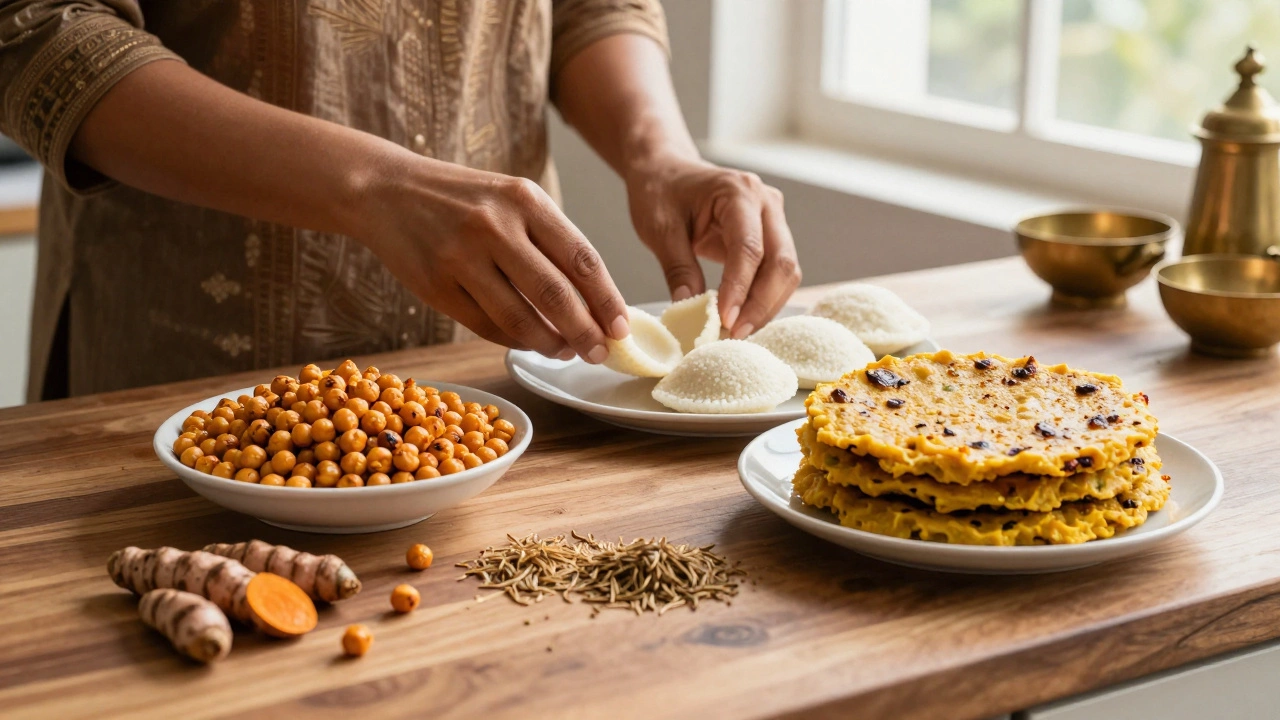
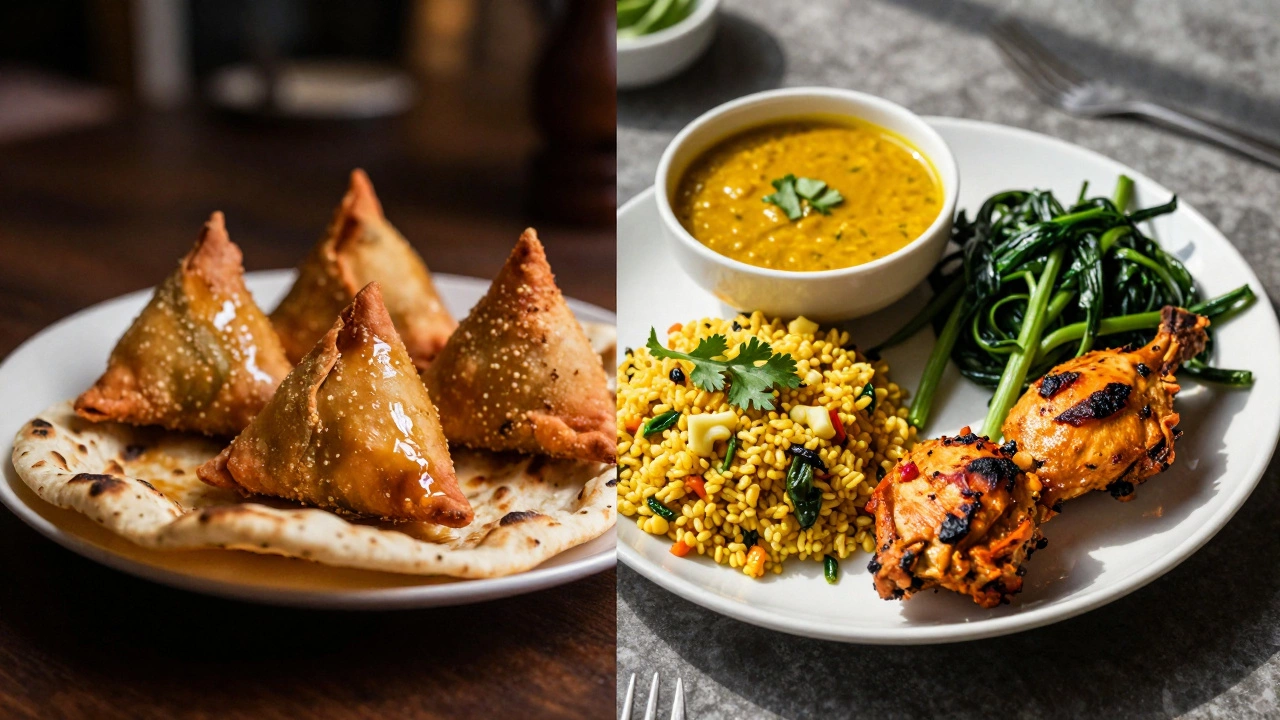
Think of Indian cuisine as a big kitchen with two sides. One side is the street food version: fried samosas, creamy kormas, sugary jalebis, and buttery naan. That’s the stuff that adds pounds. The other side? The everyday home-cooked meals: dal tadka, grilled chicken tikka, steamed idlis, roasted chana, and sabzi made with minimal oil. These are low-calorie, high-fiber, and packed with protein. The difference isn’t cultural-it’s cooking style.
Studies show that traditional Indian diets, when prepared with minimal oil and no refined sugar, are linked to lower body mass index (BMI). A 2023 study from the Indian Council of Medical Research found that people who ate mostly whole grains, lentils, vegetables, and yogurt lost more weight over six months than those on a standard low-fat Western diet. The key? Fiber and plant-based protein kept them full longer.
What Indian snacks actually help with weight loss?
You don’t need to skip snacks to lose weight. In fact, smart snacking can keep your metabolism steady and stop overeating at meals. Here are five Indian snacks that work for weight loss:
- Roasted chana (chickpeas): A 100g serving has 16g of protein and 12g of fiber. It’s crunchy, satisfying, and keeps blood sugar stable.
- Murukku (made with brown rice and lentils): Skip the deep-fried versions. Bake them instead. One piece has under 50 calories and no added sugar.
- Steamed idlis: Made from fermented rice and lentils, idlis are light, easy to digest, and have about 35 calories each. Top with coconut chutney (not the sweet kind) for flavor without the sugar.
- Vegetable upma: Use semolina (rava) sparingly and load it with grated carrots, peas, and spinach. Cook with one teaspoon of oil max.
- Moong dal cheela: These savory pancakes are made from ground mung beans. High in protein, low in fat, and perfect for breakfast or a snack.
These snacks aren’t just low-calorie-they’re nutrient-dense. That means your body gets vitamins, minerals, and fiber without empty calories. You’re not just eating less-you’re eating better.
What Indian foods should you avoid for weight loss?
Some Indian foods are traps disguised as comfort. Here’s what to watch out for:
- Deep-fried snacks: Samosas, pakoras, and bhajis soak up oil. One samosa can have 250-300 calories, mostly from fat.
- White bread and naan: Especially when served with ghee or butter. A single piece of butter naan can have 200+ calories and almost no fiber.
- Sweetened yogurt and lassi: Many store-bought versions have 15-20g of added sugar per cup. That’s like drinking a can of soda.
- Heavy curries: Kormas, butter chicken, and paneer tikka masala often use cream, butter, and sugar to thicken the sauce. A single serving can hit 500+ calories.
- Rice-heavy meals: White rice with rich gravies adds up fast. Swap half your rice for cauliflower rice or barley.
It’s not about banning these foods forever. It’s about frequency. Having one samosa once a week? Fine. Eating three every weekend? That’s where the weight sticks.
How to eat Indian food and still lose weight
Here’s how to make your Indian meals work for weight loss without feeling deprived:
- Use less oil. Cook with spray oil or use non-stick pans. Most Indian dishes need less than a tablespoon of oil for 4 servings.
- Swap white rice for brown rice, quinoa, or barley. Brown rice has 3x more fiber and digests slower, keeping you full longer.
- Choose tandoori over creamy. Tandoori chicken, fish, or paneer are grilled, not smothered in sauce. Ask for sauce on the side.
- Make your own chutneys. Store-bought chutneys are loaded with sugar. Make a quick mint-coriander chutney with yogurt, lemon, and a pinch of salt.
- Start meals with salad or soup. A small bowl of cucumber-tomato salad or dal soup before your main dish helps control portion sizes.
One woman in Sydney, 42, lost 14kg in 6 months by switching from takeaway Indian meals to home-cooked versions using these rules. She didn’t cut out her favorite food-she just cooked it differently.
Indian spices actually help with weight loss
Here’s something most people don’t know: Indian spices aren’t just for flavor-they’re metabolic boosters.
- Turmeric: Contains curcumin, which may reduce inflammation linked to obesity.
- Cumin: A 2022 study in the Journal of Ethnopharmacology showed cumin powder helped overweight women lose more belly fat than a placebo group.
- Black pepper: Enhances nutrient absorption and may increase fat breakdown.
- Ginger and garlic: Both help regulate blood sugar and reduce cravings.
Spices like these are naturally low in calories and add big flavor without sugar or fat. Use them generously. They’re not just seasoning-they’re tools.
Real people, real results
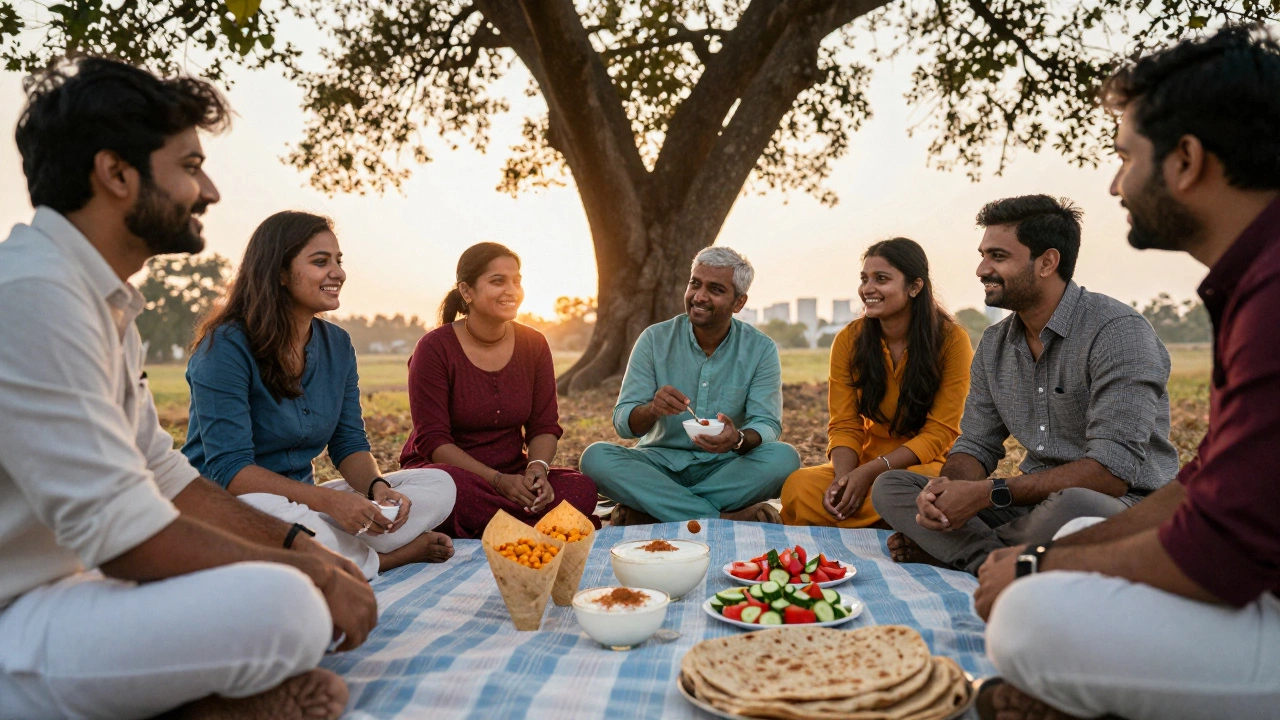
Look at the data. In a 2024 survey of 1,200 Indians trying to lose weight, those who stuck to traditional home-cooked meals (not restaurant food) lost an average of 8kg in 4 months. Those who stuck to restaurant-style Indian food lost less than 2kg-even if they counted calories.
The difference? Home meals had more vegetables, less oil, no added sugar, and better portion control. Restaurant food? Even "healthy" labels like "grilled" or "low-fat" often hide sugar in sauces and oil in cooking methods.
It’s not about being Indian or not. It’s about being intentional. You can eat Indian food and lose weight. But you have to cook it right.
Final takeaway: It’s not the food-it’s the habit
Indian food isn’t bad for weight loss. Fried snacks, sugary drinks, and oily curries are. The same way a slice of pizza isn’t bad if it’s one slice-but a whole box every night is.
You don’t need to give up your cultural food to lose weight. You need to reconnect with how your grandparents cooked: fresh ingredients, minimal oil, no sugar, lots of spices, and lots of vegetables.
Start with one swap this week. Swap fried pakoras for roasted chana. Swap butter naan for whole wheat roti. Swap sweet lassi for plain yogurt with a sprinkle of cinnamon. Small changes add up.
Indian food can be your ally in weight loss-if you let it be.
Can I eat dosa while trying to lose weight?
Yes-but make it right. Choose fermented rice-and-lentil dosa (not the stuffed or fried versions). Skip the coconut chutney if it’s sweetened. Pair it with sambar (without sugar) and a side of plain yogurt. One plain dosa has about 100 calories. Add too much oil or filling, and it jumps to 300+.
Is Indian curry good for weight loss?
It depends. Tomato-based curries with lentils, vegetables, and minimal cream are great. Creamy curries like butter chicken or paneer makhani are not. Always ask how it’s made. If it has cream, butter, or sugar listed, skip it. Opt for tandoori, dal, or sabzi-based curries instead.
Are Indian snacks healthier than Western snacks?
Some are, some aren’t. Roasted chana and moong dal cheela are healthier than chips or cookies. But samosas and jalebis are worse. The key is choosing whole-food-based snacks over processed ones. Indian snacks made with legumes, whole grains, and vegetables often have more protein and fiber than most Western snacks.
How much Indian food should I eat per meal to lose weight?
Use the plate method: half your plate should be non-starchy vegetables (spinach, broccoli, tomatoes), one-quarter should be protein (dal, chicken, paneer), and one-quarter should be whole grains (brown rice, quinoa, millet). Skip the extra roti or rice unless you’re very active. Portion control matters more than the type of food.
Can I lose weight eating only Indian food?
Absolutely. Many Indians have lost weight eating only traditional meals by cutting out fried foods, sugar, and excess oil. The key is variety: rotate lentils, vegetables, dairy, and spices. Avoid processed versions of Indian food (packaged snacks, frozen meals, restaurant takeout). Home-cooked Indian food, done right, is one of the most balanced diets in the world.
