Is It Safe to Eat Cooked Eggs in India? A Complete Safety Guide
 Mar, 24 2026
Egg Cooking Temperature Checker
Check if your cooked eggs have reached the safe minimum temperature of 70°C (158°F) to kill harmful bacteria like Salmonella.
Enter a temperature to check if your eggs are safe to eat.
Eggs are a staple in Indian households, appearing in everything from morning omelets to rich curries. Yet, questions often arise among travelers and health-conscious locals about hygiene and contamination risks. You might wonder if the heat and local conditions make consuming poultry products dangerous. The short answer is yes, it is generally safe to eat cooked eggs in India as long as you follow specific preparation and sourcing rules. Understanding the nuances of local food handling practices makes a significant difference in avoiding illness.
Understanding the Core Risks
The primary concern with eggs is bacterial contamination, specifically Salmonella. This bacteria can live on the shell or inside the egg if the hen was infected. In many parts of India, the supply chain involves multiple handlers before the egg reaches your kitchen. This increases the chance of cross-contamination if proper hygiene protocols are not followed. While commercial farms have improved significantly over the last decade, small-scale vendors may not adhere to the same strict standards.
Another factor is the water used for washing or cooking. In some regions, tap water quality varies, which can introduce pathogens during the washing process. If you wash eggs before storing them, you might actually remove the protective cuticle, allowing bacteria to enter through the porous shell. This is a common mistake that compromises safety. Understanding these biological risks helps you make smarter choices when buying and preparing eggs.
Salmonella is a type of bacteria that causes food poisoning, often found in undercooked poultry and eggs. It requires thorough cooking at temperatures above 70°C to be killed. Symptoms include fever, diarrhea, and abdominal cramps.The Role of Cooking Temperatures
Cooking is the most effective barrier against bacteria. To ensure safety, the internal temperature of the egg must reach at least 70°C (158°F). This kills harmful pathogens effectively. Hard-boiled eggs are generally the safest option because the entire egg is submerged in boiling water for an extended period. This method ensures heat penetrates to the yolk, eliminating risks associated with raw or runny centers.
Frying or scrambling also works well if done correctly. You need to see that the whites are fully set and the yolk is firm. Avoid eating eggs with runny yolks if you are unsure about the source quality. In Indian cooking, dishes like *Anda Bhurji* (scrambled eggs) are popular. When preparing this, ensure the eggs are whisked thoroughly and cooked until no liquid remains. The spices and oil used in Indian cooking do not kill bacteria; heat does the work.
Steaming is another reliable method often used in Indian desserts like *Egg Pudding*. The consistent steam heat ensures even cooking. Baking in an oven is also safe, provided the recipe calls for a temperature high enough to cook the egg through. Avoid recipes that require raw egg mixtures unless you are using pasteurized eggs, which are available in major cities but less common in rural areas.
| Preparation Method | Safety Rating | Key Requirement |
|---|---|---|
| Hard-Boiled | High | Boil for 10+ minutes |
| Scrambled (Firm) | High | No liquid yolk visible |
| Sunny Side Up | Medium | Yolk must be cooked |
| Poached | Medium | Water must be boiling |
| Raw (Mayonnaise) | Low | Use pasteurized only |
Sourcing and Buying Eggs in India
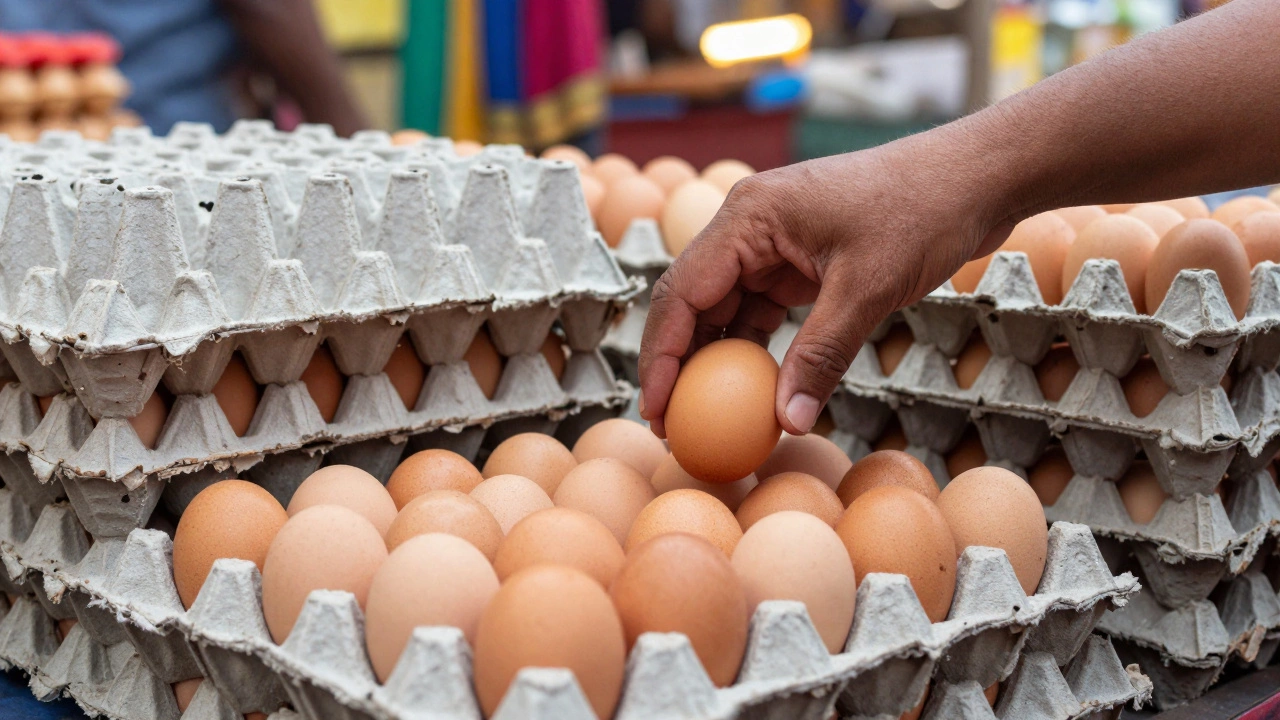
Where you buy your eggs matters just as much as how you cook them. In India, you will find two main types of packaging: graded eggs and loose eggs. Graded eggs come in cartons with branding and often display a quality mark. These are typically from larger farms that follow stricter hygiene protocols. Look for the FSSAI license number on the packaging, which indicates regulatory compliance.
FSSAI, the Food Safety and Standards Authority of India, sets the standards for egg production. They mandate that eggs sold for consumption must meet specific quality criteria. However, enforcement varies by region. In metropolitan cities like Mumbai, Delhi, and Bangalore, you will find more regulated brands like Amul, Suguna, or local supermarket chains. These options are generally safer than buying from roadside vendors.
Loose eggs sold in markets can be risky. They may have been handled by multiple people without refrigeration. In hot weather, eggs left at room temperature for too long can develop bacteria rapidly. If you must buy loose eggs, inspect them carefully. Avoid any with cracks or dirt on the shell. Cracks provide an entry point for bacteria, making the egg unsafe even after cooking if the shell was compromised before purchase.
FSSAI is the statutory body responsible for regulating food safety and standards in India. Established under the Food Safety and Standards Act, 2006, it ensures that food products meet safety guidelines.
Street Food and Egg Consumption
Street food is a vibrant part of Indian culture, but it carries higher risks. Vendors often cook eggs in bulk over high flames. While the heat is high, the consistency of cooking can vary. An *Egg Roll* or *Egg Bhurji* from a reputable stall is usually safe because the eggs are cooked thoroughly in front of you. However, dishes where eggs are added late or mixed into cold sauces pose a risk.
Watch how the vendor handles the eggs. Do they wash their hands? Do they use clean utensils? Cross-contamination from raw meat to cooked eggs is a real danger in busy street stalls. If you are traveling, stick to stalls with high turnover. High turnover means the food is fresh and less likely to have sat out in the "danger zone" temperature range where bacteria multiply.
Some street vendors use water to clean their equipment. If the water source is contaminated, it can transfer bacteria to the food. This is why boiling water is essential in street cooking. If you see steam rising from the pan and the eggs are fully cooked, the risk is significantly lower. Trust your eyes; if the yolk looks runny, ask for it to be cooked longer.
Storage and Handling at Home
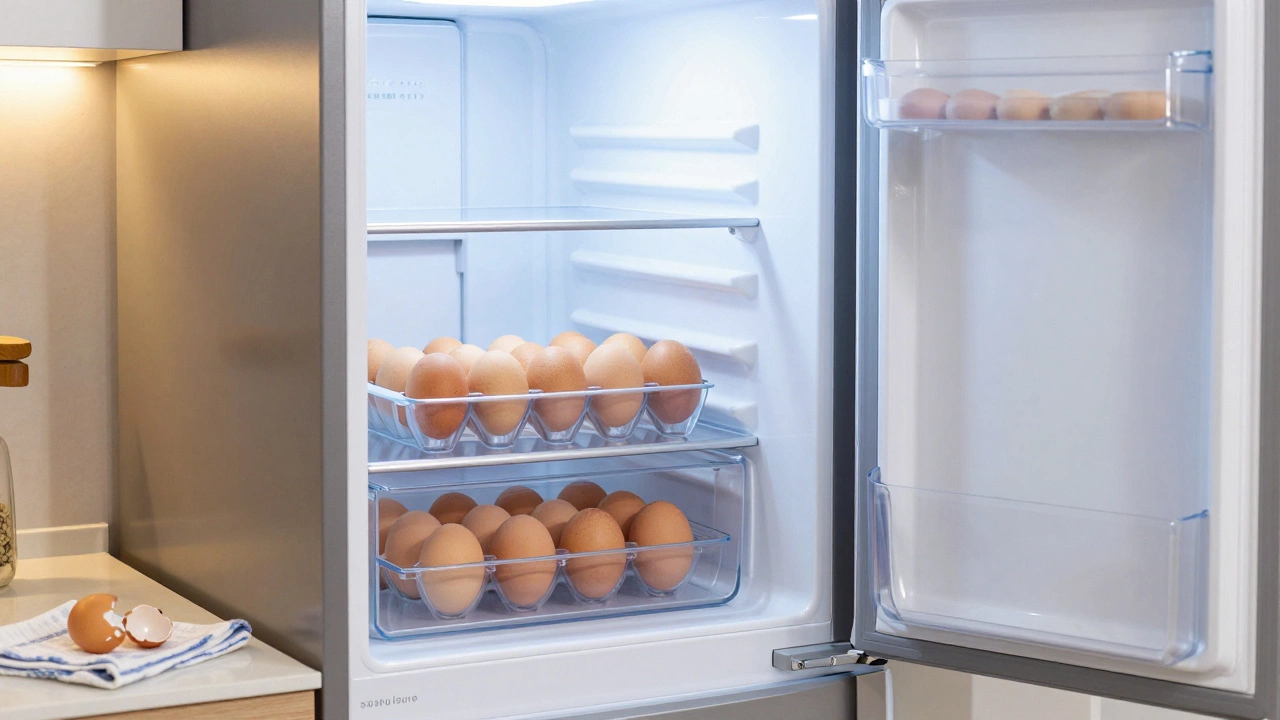
Once you bring eggs home, storage becomes critical. In India, where ambient temperatures often exceed 30°C, refrigeration is highly recommended. Store eggs in the main body of the fridge, not in the door. The door temperature fluctuates every time you open it, which can compromise the eggs. Keep them in their original carton to prevent odor absorption and moisture loss.
Do not wash eggs before storing them. Washing removes the natural protective coating on the shell. If the shell is dirty, wipe it gently with a dry cloth. If you must wash them, do so immediately before cooking, not before storage. Keep eggs away from strong-smelling foods like onions or garlic, as eggs can absorb these flavors through their porous shells.
Use eggs within a week of purchase for optimal freshness. Older eggs are more prone to bacterial growth. You can perform a simple float test to check freshness. Place an egg in a bowl of water. If it sinks, it is fresh. If it stands upright or floats, it is old and should be discarded. This simple trick saves you from potential foodborne illness.
Special Considerations for Vulnerable Groups
Certain groups need to be extra cautious. Pregnant women, young children, the elderly, and people with compromised immune systems should avoid undercooked eggs entirely. Their bodies are less capable of fighting off infections like Salmonella. For these individuals, only fully cooked eggs with firm whites and yolks are recommended.
In India, the climate can exacerbate health issues. Heat stress can weaken the immune system, making food poisoning more severe. If you fall into a vulnerable category, consider buying pasteurized eggs. These are treated to kill bacteria without cooking the egg. They are available in major supermarkets and are safe to use in recipes requiring raw eggs, such as homemade mayonnaise or cake batters.
Travelers should also be mindful. Your gut microbiome may not be used to local bacteria strains. Even if locals eat runny eggs without issue, you might get sick. Stick to well-done eggs when visiting new regions. This precaution applies not just to eggs but to all protein sources in unfamiliar environments.
Hygiene Practices in the Kitchen
Cross-contamination is a silent killer in the kitchen. When cracking eggs, use a clean surface. Do not crack eggs directly over the bowl if the shell might touch the raw egg. Crack them on a flat surface first, then open them. Wash your hands thoroughly with soap and water after handling raw eggs. This prevents transferring bacteria to other foods or surfaces.
Clean your utensils immediately after use. Egg residue can dry and harbor bacteria if left on bowls or whisks. Use separate cutting boards for raw eggs and other ingredients like vegetables. In Indian kitchens, where spices and multiple ingredients are handled, maintaining separation is key. A clean kitchen ensures that the safety you achieve through cooking is not undone by poor handling.
Frequently Asked Questions
Can I eat eggs with runny yolks in India?
It is generally not recommended to eat runny yolks unless you are using pasteurized eggs. Runny yolks indicate the egg has not reached a high enough temperature to kill potential bacteria like Salmonella.
Are brown eggs safer than white eggs in India?
The color of the shell does not affect safety. Safety depends on the hygiene of the farm and the cooking method. Both brown and white eggs carry the same risks if not cooked properly.
How long can I store eggs without a fridge in India?
In Indian summer temperatures, eggs should not be left out for more than 2 hours. Without refrigeration, bacteria can grow rapidly. Refrigeration is highly recommended for safety.
Do I need to wash eggs before cooking?
Do not wash eggs before storing them. Washing removes the protective coating. If they are dirty, wipe them with a dry cloth or wash them immediately before cooking.
Is street food egg safe to eat?
Street food eggs are safe if cooked thoroughly in front of you. Avoid dishes where eggs are added cold or served runny. Choose vendors with high turnover and visible hygiene practices.
Navigating food safety in India requires awareness and simple precautions. By choosing the right source, cooking thoroughly, and storing properly, you can enjoy eggs without worry. The rich flavors of Indian egg dishes are worth the effort to ensure they are prepared safely. Stay informed, stay cautious, and enjoy your meals.
