Is Pickle a Chutney? Understanding the Difference
 Oct, 30 2026
Pickle vs. Chutney Identifier
Confused by a jar in your pantry? Answer the questions below to determine if it's a fresh Chutney or a preserved Pickle.
Analyze Your Condiment
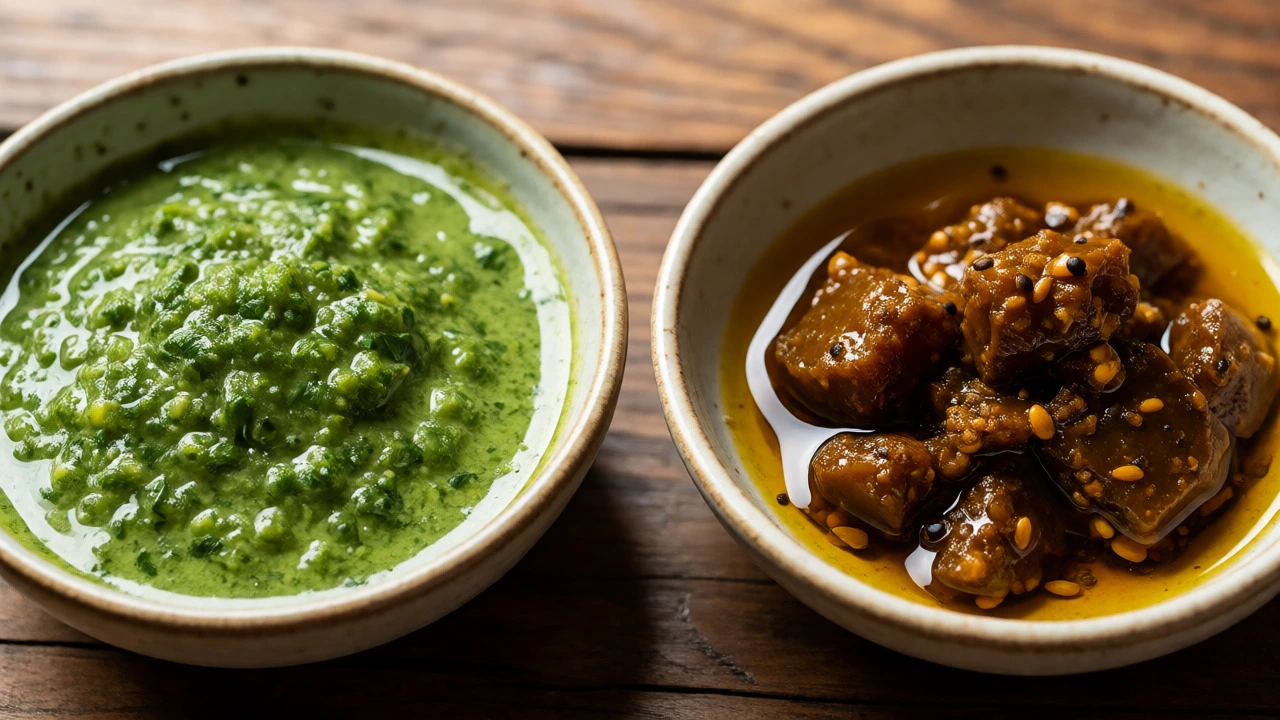
You’re sitting at a dinner table in Sydney, staring at two small bowls. One holds a vibrant, herbaceous green chutney made of coriander and mint. The other contains dark, oily chunks of mango pickle, swimming in mustard oil and spices. You grab a spoon for the chutney, then hesitate over the pickle. Are they just different versions of the same thing? Is pickle actually a type of chutney?
This confusion is common, especially outside India where the term "chutney" has been loosely applied to everything from sweet apple preserves to spicy tomato sauces. But in authentic Indian cuisine, these two condiments are distinct cousins with different jobs, ingredients, and shelf lives. Mixing them up isn’t just a culinary faux pas; it can ruin a dish’s balance. If you put sweet apple chutney on your dosa, it might work. But if you swap your fiery lemon pickle for coconut chutney with idli, you’ll likely regret it.
The Core Definition: Freshness vs. Preservation
To understand why pickle isn’t a chutney, look at how they are made. Chutney comes from the Hindi word chatni, which derives from chatna, meaning "to lick." It implies something fresh, immediate, and meant to be eaten soon. Most traditional chutneys are ground pastes made from fresh fruits, vegetables, herbs, or nuts. They are often consumed within a day or two, though some cooked versions last longer.
Pickle, known as Achar in Hindi, is fundamentally about preservation. Its primary purpose is to extend the life of seasonal produce through fermentation or heavy salting and oiling. While chutney celebrates freshness, pickle celebrates time. A mango pickle made in May is designed to taste better in December. This fundamental difference in intent-immediate consumption versus long-term storage-is the biggest divider.
Ingredients and Preparation Methods
Let’s break down what goes into each bowl. This is where the chemistry differs significantly.
- Chutney Ingredients: Typically rely on fresh bases like cilantro, mint, tamarind, coconut, tomatoes, or raw mango. The flavor profile is built using fresh aromatics (garlic, ginger, green chilies) and mild acids (lemon juice, tamarind pulp). Cooking is optional; many chutneys are raw.
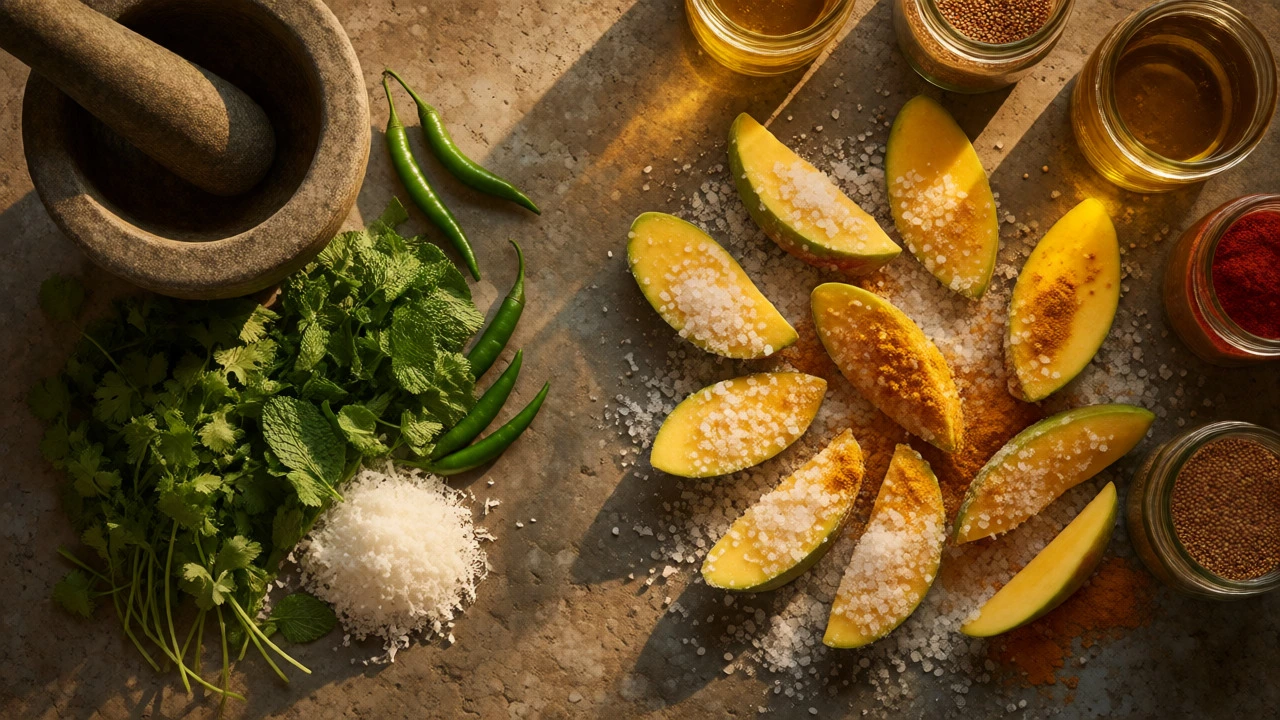
- Pickle Ingredients: Rely on hardy produce that can withstand preservation, such as unripe mangoes, lemons, limes, gooseberries (amla), or carrots. The base is salt, acid (vinegar or natural fruit acidity), and large amounts of oil (mustard, sesame, or sunflower). Spices like fenugreek, nigella seeds, turmeric, and red chili powder are toasted or mixed in to act as preservatives.
The preparation method highlights this divide further. To make chutney, you usually blend or grind ingredients together. Texture varies from smooth to coarse. For pickle, you cut the produce into uniform pieces, salt them heavily to draw out moisture, dry them in the sun (traditionally), and submerge them in oil. The oil creates an anaerobic environment that prevents spoilage bacteria from growing while allowing beneficial fermentation to occur.
| Feature | Chutney (Chatni) | Pickle (Achar) |
|---|---|---|
| Primary Purpose | Add immediate flavor contrast | Preserve food & add intense depth |
| Shelf Life | Short (1-3 days refrigerated) | Long (Months to years) |
| Texture | Paste, sauce, or relish | Chunks submerged in oil/brine |
| Flavor Profile | Bright, fresh, tangy, or spicy | Salty, sour, pungent, fermented |
| Common Base | Fresh herbs, fruits, coconut | Hard fruits, vegetables, salt, oil |
Cultural Context: Where the Confusion Starts
If you’ve ever bought a jar labeled "Mango Chutney" at a Western supermarket, you’ve encountered the source of much confusion. In the UK and Australia, colonial-era adaptations merged the concepts. British "chutneys" are often sweet, cooked jams made with sugar, vinegar, and fruit-closer to a jam than an Indian chatni. These sweet apple or mango chutneys served with cheese platters are technically closer to pickles in their preservation method (using vinegar and sugar) but differ vastly in taste from Indian achar.
In India, however, the distinction is rigid. You wouldn’t call a sweet apple preserve "achar." You also wouldn’t call a fresh coriander paste "pickle." The regional variations add another layer. In South India, Avakaya (Andhra mango pickle) is legendary for its heat and oil content. Meanwhile, Coconut Chutney is a staple breakfast accompaniment for idlis and dosas. They serve completely different meals and moods. Pickle is often reserved for main courses, adding a punch to rice dishes like curd rice or dal-chawal. Chutney accompanies snacks, breakfasts, and lighter meals.
Nutritional and Health Implications
Because their compositions differ, so do their health impacts. Chutneys, particularly those made from leafy greens like mint and coriander, are rich in vitamins A, C, and K, along with antioxidants. Since they are often raw or lightly cooked, they retain more nutrients. However, commercial chutneys can hide significant amounts of added sugar and sodium.
Pickles, on the other hand, are high in sodium due to the heavy salting required for preservation. A single tablespoon of mango pickle can contain a substantial portion of your daily recommended salt intake. This makes them potent flavor enhancers but requires moderation for those watching blood pressure. On the flip side, traditionally fermented pickles contain probiotics that support gut health, provided they haven’t been overly processed with industrial vinegar and preservatives.
How to Use Them Correctly in Your Kitchen
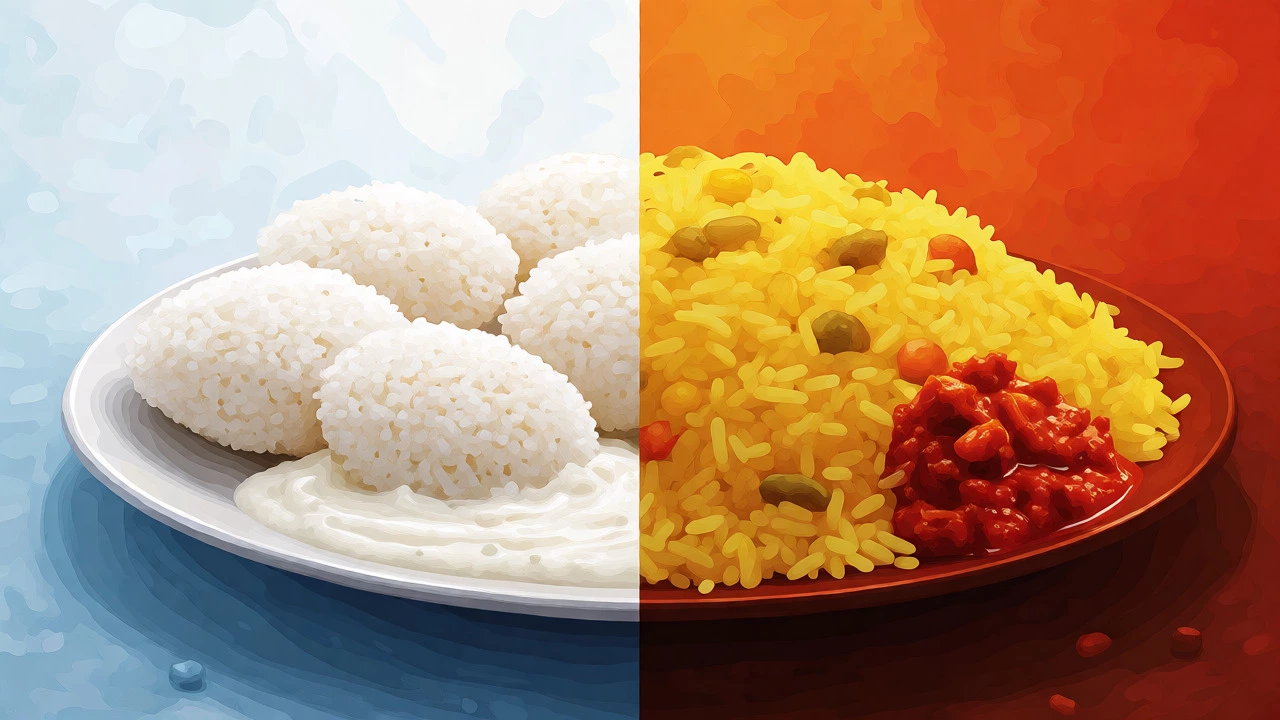
Now that we know they aren’t the same, how do you use them without messing up your meal? Think of chutney as a garnish or a dip. It’s there to cool down spice or add a burst of freshness. Coconut chutney pairs with bland steamed cakes (idlis) because it adds fat and flavor. Mint chutney cuts through the richness of fried samosas or pakoras.
Pickle is a seasoning agent. It’s too strong to be a primary dip. Instead, you mix a tiny amount into plain yogurt rice, or place a small wedge alongside a plate of biryani or dal. The goal is contrast. The sour, salty punch of pickle wakes up the palate against mild lentils or rice. If you eat pickle by itself, it’s overwhelming. If you eat chutney by itself, it’s pleasant but not transformative in the same way.
There are exceptions, of course. Some modern fusion recipes blur the lines. A "sweet mango chutney" served with chicken tikka masala is essentially a preserved fruit sauce, bridging the gap. But if you’re aiming for authenticity, keep them separate. If a recipe calls for "lime pickle," don’t substitute "lime chutney." The former will give you deep, fermented complexity; the latter will give you a bright, acidic hit. Both are good, but they aren’t interchangeable.
Quick Checklist: Is It Pickle or Chutney?
Still unsure about a specific jar in your pantry? Run through this quick mental check:
- Does it need refrigeration? If yes, it’s likely chutney. If it sits fine on the counter for months, it’s pickle.
- Are there visible chunks of fruit/veg in oil? If yes, it’s pickle. If it’s a blended paste, it’s likely chutney.
- Is it sweet? Traditional Indian pickles are rarely sweet (except some Bengali variants). Sweetness suggests a Western-style chutney or a specific regional sweet achar, but most standard Indian chutneys are savory/tangy.
- Did you make it today? Freshly ground = chutney. Made weeks ago = pickle.
Can I use pickle instead of chutney?
You can, but the result will be very different. Pickle is much saltier, sourer, and stronger than chutney. Using pickle instead of chutney on a dosa will make it intensely flavorful and possibly overpowering. Conversely, using chutney instead of pickle in a rice dish will lack the depth and preservation notes that define the dish. Adjust quantities carefully if you must swap them.
Why does my pickle have white spots?
White spots in pickle are usually harmless crystals of salt or oil coagulation, especially if stored in a cool place. However, if the spots are fuzzy or green/black, it indicates mold growth due to contamination (e.g., using a wet spoon). Always ensure the oil layer covers the vegetables completely to prevent mold.
Is chutney healthy?
Homemade chutney is generally very healthy, especially mint and coriander varieties, as they are low-calorie and rich in vitamins. However, store-bought versions often contain high amounts of sugar, salt, and preservatives. Check labels carefully if you are monitoring sodium or sugar intake.
What is the difference between achaar and chutney?
Achaar is the Hindi/Urdu word for pickle, focusing on preservation via oil, salt, and spices. Chutney refers to fresh or lightly cooked condiments meant for immediate consumption. Achaar lasts months or years; chutney lasts days.
Can I freeze chutney?
Yes, you can freeze chutney to extend its shelf life. Green chutneys (mint/coriander) freeze well in ice cube trays. Coconut chutney can also be frozen, though the texture may change slightly upon thawing. Pickles do not need freezing; they are shelf-stable.
