Is Street Food Illegal in India? Laws, Hygiene & Safety Explained
 Sep, 29 2026
Street Food Safety Checker
Use this checklist before ordering from a street vendor. Check off the signs you observe to calculate your "Safety Score."
-
FSSAI License Visible
Registration number displayed at the stall. -
Clean Water Source
Sealed bottles or filtered tank water used for prep. -
Vendor Hygiene
Gloves/tongs used; clean clothing/apron. -
High Turnover Rate
Busy crowd implies fresh ingredients. -
Cooked to Order
Food prepared fresh, not sitting out for hours. -
Clean Surroundings
No garbage pile-ups or pests nearby.
Awaiting Input
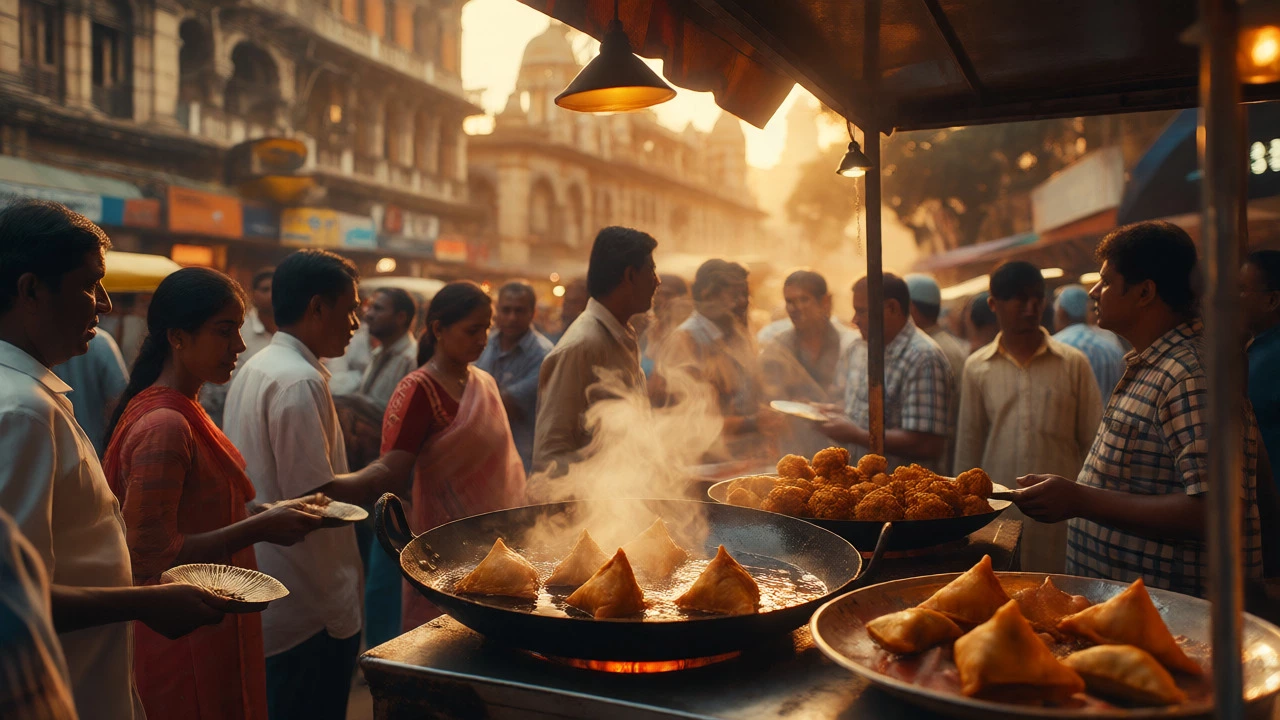
You’re standing on a bustling corner in Mumbai or Delhi. The aroma of frying samosas and sizzling chaat hits you before you even see the stall. Your stomach growls, but your brain hesitates. You’ve heard rumors. Some say it’s illegal to eat there. Others warn about hygiene nightmares that could land you in a hospital bed for days. So, what’s the truth? Is street food actually illegal in India, or is this just an urban myth fueled by bad experiences?
The short answer is no. Street food isn’t illegal in India. In fact, it’s woven into the cultural fabric of the nation. But here’s the catch: while eating it isn’t a crime, selling it operates in a legal gray area that varies wildly from city to city. Understanding this distinction is crucial if you want to enjoy the best flavors without risking your health or breaking local regulations.
The Legal Reality: It’s Not Banned, Just Regulated
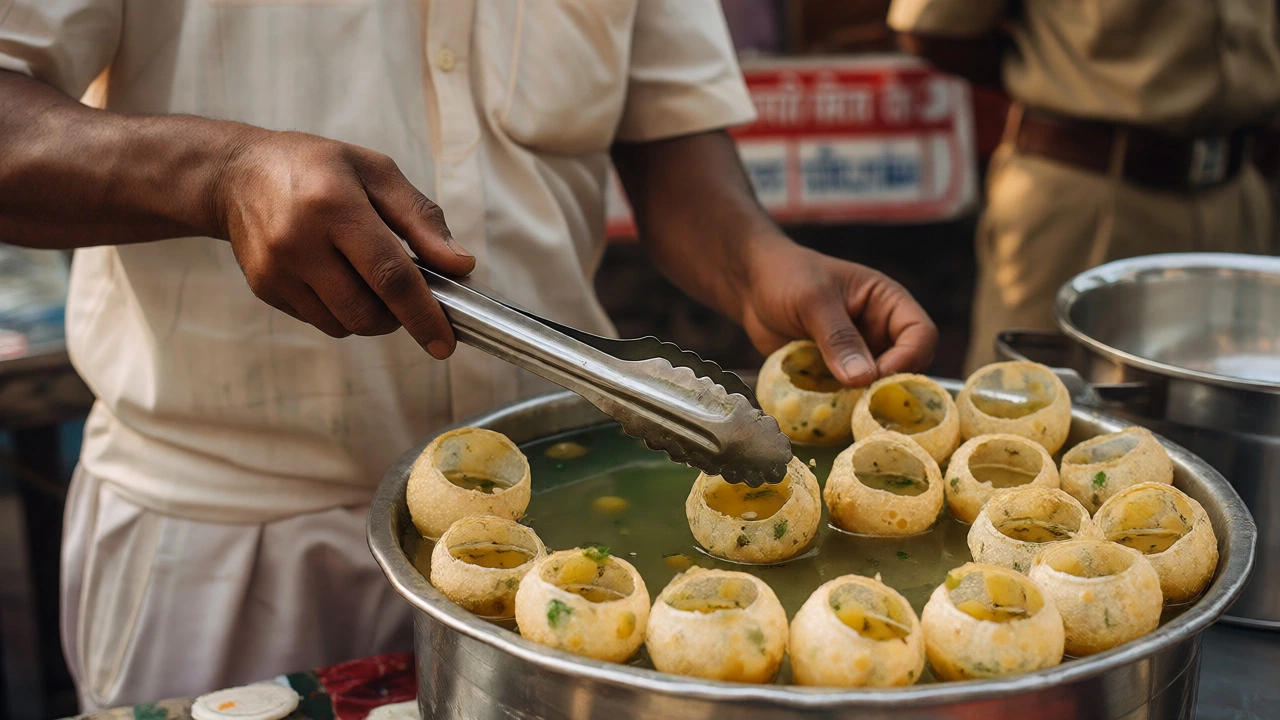
Many people confuse "illegal" with "unregulated." There’s a massive difference. If you buy a plate of pani puri from a vendor, you aren’t committing a crime. The act of consumption is perfectly legal. However, the act of vending often requires permits that many vendors don’t have. This creates a complex landscape where the food itself is lawful, but the operation might not be fully compliant with municipal laws.
Think of it like parking your car. Parking in a no-parking zone doesn’t make the car illegal; it just makes the act of parking there a violation. Similarly, a street vendor operating without a license is technically violating municipal codes, but the food they sell remains a legitimate part of the economy. The government recognizes that millions depend on this sector for livelihoods. A total ban would cause economic chaos, so instead, authorities focus on regulation through bodies like the FSSAI (Food Safety and Standards Authority of India).
| Aspect | Legal Status | Practical Reality |
|---|---|---|
| Eating Street Food | 100% Legal | No restrictions on consumers. |
| Vending Without License | Technically Violation | Commonly tolerated unless in strict zones. |
| Hygiene Standards | Mandated by FSSAI | Enforcement varies by city and inspector. |
| Zoning Restrictions | Defined by Local Bodies | Vendors move to avoid fines. |
Who Actually Controls Street Food Laws?
If you think one central law governs every chaiwala from Chennai to Kolkata, you’re mistaken. Food safety is a concurrent subject in India, meaning both the central and state governments have roles. At the national level, the FSSAI sets the baseline standards. They define what constitutes safe food, how ingredients should be stored, and what additives are permissible. But enforcement? That’s largely up to local municipal corporations and state food safety departments.
This decentralization leads to inconsistencies. A vendor in Bangalore might face stricter hygiene checks than one in a smaller town in Uttar Pradesh. Why? Because local resources differ. Cities with higher tourism revenue, like Goa or Rajasthan, tend to enforce rules more aggressively because their reputation depends on tourist satisfaction. In contrast, less regulated areas might prioritize livelihood protection over strict compliance. This patchwork system means that "legal" can mean different things depending on your GPS coordinates.
The FSSAI Factor: What Makes Food "Safe"?
The FSSAI isn’t just a bureaucratic hurdle; it’s the entity that defines what "safe" means. For street food, this involves specific guidelines. Vendors are expected to maintain clean water sources, use fresh oil, and handle raw materials properly. But do all vendors follow these rules? Obviously not. That’s where the gap between law and practice widens.
Recent initiatives have tried to bridge this gap. Programs like "Eat Right India" encourage vendors to display FSSAI registration numbers. If you see a small certificate hanging near a stall, it’s a good sign. It means the vendor has registered with the authority, undergone basic training, and agreed to periodic inspections. While this doesn’t guarantee perfection, it significantly reduces the risk of gross negligence. Look for the logo. If it’s missing, proceed with caution-or better yet, ask.
Why Do People Think It’s Illegal?
If it’s not banned, why does the rumor persist? Several factors contribute to this misconception. First, frequent demolitions of unauthorized stalls create visual chaos. When municipal workers remove carts from sidewalks, it looks like a crackdown. Tourists and locals alike interpret this as "street food is being outlawed." In reality, it’s usually about zoning violations-blocking pedestrian paths or encroaching on private property-not the food itself.
Second, media coverage often highlights food poisoning outbreaks linked to street vendors. Headlines scream "Dangerous Street Food!" which subconsciously links the concept of street food with illegality or danger. While contamination risks are real, they stem from poor hygiene practices, not legal prohibition. Blaming the law confuses the symptom (bad hygiene) with the supposed cause (illegality).
How to Spot Safe Street Food (A Practical Guide)
Since you can’t rely solely on legal status to ensure safety, you need observational skills. Here’s how to evaluate a stall before you order:
- Water Source: Is the water clear and sourced from a sealed bottle or a filtered tank? Avoid stalls using open buckets of murky water.
- Cooking Method: Prefer food cooked to order at high temperatures. Deep-fried items like pakoras are generally safer than pre-cooked items sitting out for hours.
- Vendor Hygiene: Does the vendor wear gloves or use tongs? Are their clothes reasonably clean? Handwashing facilities nearby are a huge plus.
- Turnover Rate: High customer turnover means food doesn’t sit around long. Freshness is your best friend.
- Licensing Display: Check for the FSSAI license number. Even if it’s small, its presence indicates accountability.
Don’t let fear keep you away from some of the world’s most delicious meals. The key is discernment, not avoidance. By choosing busy stalls with visible hygiene efforts, you align yourself with vendors who care about their reputation-and likely their compliance.
Regional Differences: North vs. South vs. West
India’s diversity extends to its regulatory approach. In southern states like Kerala and Tamil Nadu, community oversight plays a big role. Local self-help groups often manage street food clusters, ensuring shared standards. This collective responsibility can lead to higher consistency compared to individual operators in northern cities.
In western hubs like Mumbai, space is scarce. Vendors operate in tight, competitive zones. Municipal pressure is high, leading to frequent relocations. Despite the hustle, Mumbai’s street food culture is incredibly resilient. The sheer volume of daily sales forces vendors to maintain quality-if they serve bad food, word spreads fast, and business dies overnight.
Eastern regions, particularly Kolkata, have a unique blend of colonial history and modern regulation. The iconic "phuchka" stalls are deeply entrenched. Authorities here often designate specific "food streets" where vending is officially permitted and monitored. These designated zones offer a safer bet for tourists seeking authentic experiences without legal ambiguity.
The Future of Street Food Regulation
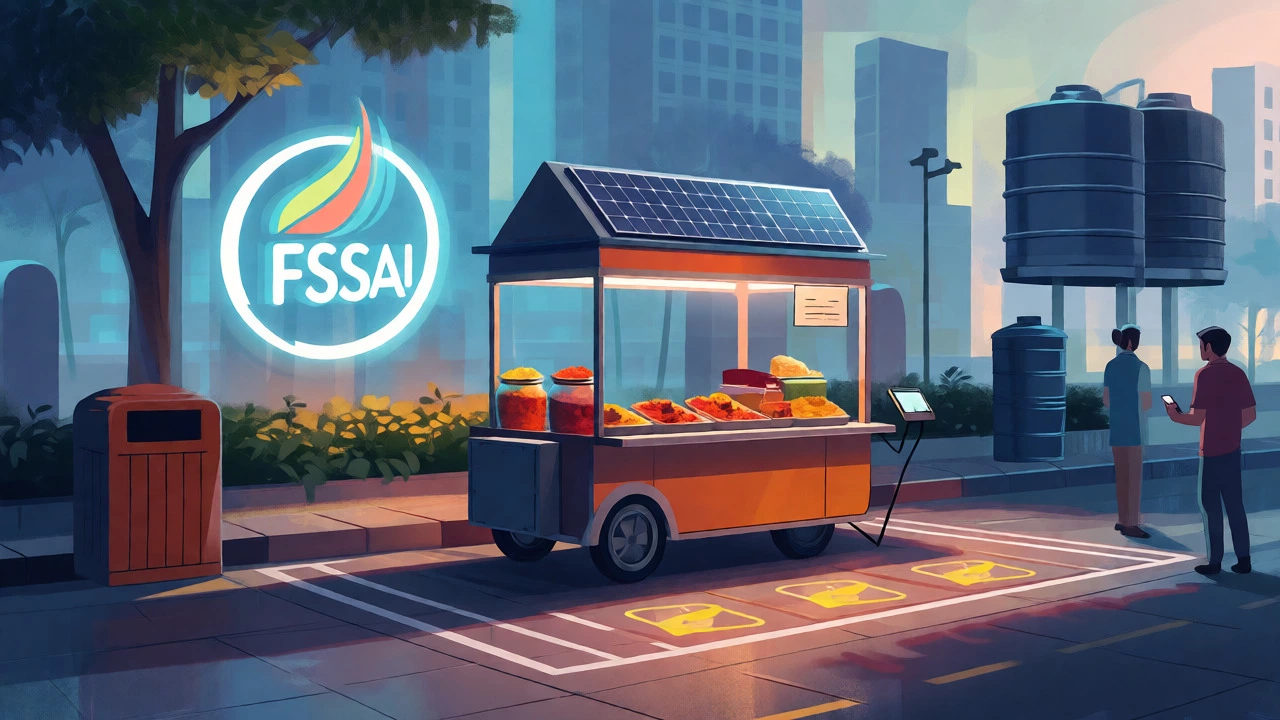
Trends suggest a shift toward formalization rather than elimination. Governments are realizing that banning street food hurts the poor and deprives citizens of affordable nutrition. Instead, policies now focus on integration. Urban planning increasingly includes dedicated spaces for vendors, complete with waste disposal units and water access points. This infrastructure supports compliance without destroying livelihoods.
Digital payments have also changed the game. When vendors accept UPI (Unified Payments Interface), they leave a digital trail. This transparency helps authorities track activity and incentivizes registration. As more vendors go digital, the informal sector becomes more visible-and thus, more regulatable. The future isn’t about making street food illegal; it’s about making it smarter and cleaner.
Is it illegal to eat street food in India?
No, it is completely legal to eat street food in India. There are no laws prohibiting consumers from purchasing or consuming food from street vendors. The legal complexities apply primarily to the vendors themselves regarding licensing and zoning.
Do street vendors need a license in India?
Yes, legally, street vendors require licenses from local municipal authorities and registration with the FSSAI. However, enforcement varies by location, and many small-scale vendors operate informally due to the complexity and cost of obtaining full permits.
What is the FSSAI role in street food?
The Food Safety and Standards Authority of India (FSSAI) sets national standards for food safety. They mandate hygiene practices, ingredient quality, and labeling requirements. Vendors displaying an FSSAI license have met specific regulatory benchmarks for safety.
Why do authorities sometimes remove street vendors?
Removals are typically due to zoning violations, such as blocking pedestrian walkways or encroaching on public roads, rather than issues with the food itself. It is an urban management action, not a ban on the trade.
Is street food hygienic in India?
Hygiene varies significantly. While many vendors maintain excellent standards, others struggle with water quality and waste disposal. Choosing busy stalls with high turnover and visible cleanliness indicators is the best way to ensure a safe dining experience.
