Mayo vs Yogurt: The Best Substitute for Chicken Marinades
 Apr, 24 2026
Marinade Substitution Calculator
Switching to mayo? Use this tool to adjust your acidity and marination time to keep your chicken juicy and tangy.
Your Custom Mayo Base:
Quick Takeaways for the Home Cook
- Texture: Mayo creates a more succulent, moist result because of the higher oil content.
- Flavor: Mayo is neutral; you'll need extra lemon juice or vinegar to mimic yogurt's tang.
- Browning: Mayo browns faster and more evenly, giving you those beautiful charred spots.
- Health: Mayo is higher in calories and fat than plain Greek yogurt.
How Mayo Changes Your Chicken Marinade
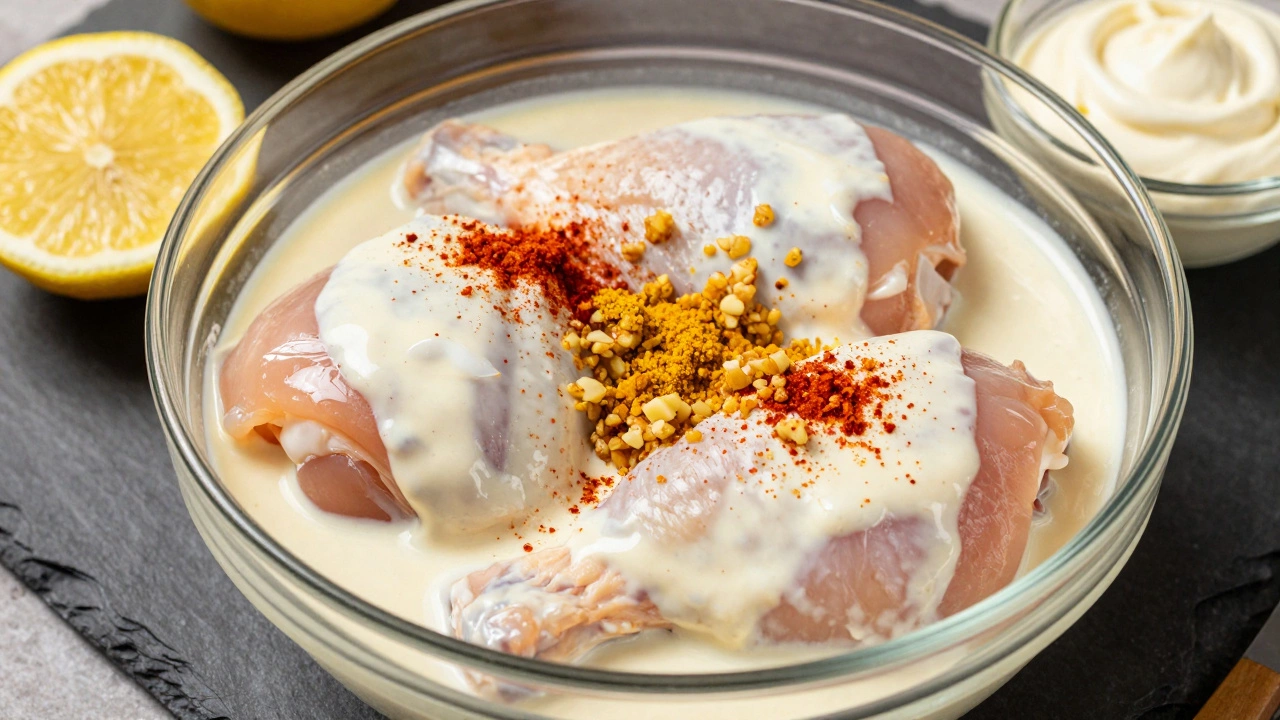
When you use Yogurt, you're relying on its mild acidity to gently dissolve the connective tissues in the chicken. This is why tandoori chicken feels so soft. Mayonnaise doesn't have that same acid power, but it brings a different strength: fat. Fat is a flavor carrier. Since Mayonnaise is essentially an emulsion of oil, vinegar, and egg, it clings to the chicken much better than yogurt does. Have you ever noticed how some yogurt marinades "slide off" the meat when it hits the pan? Mayo doesn't do that. It creates a thick, creamy coating that seals in the juices. If you're grilling at 400°F or higher, that fat barrier is your best friend, stopping the meat from turning into cardboard.The Tandoori Chicken Challenge: Taste and Texture
If you're specifically making a tandoori-style dish, the goal is a balance of smoky char and a tender, juicy interior. The classic recipe calls for thick yogurt to hold the Garam Masala and Kashmiri chili powder against the meat. When you swap in mayo, you lose the "sour" note. To fix this, you need to adjust your acidity. I recommend adding a tablespoon of lemon juice or a splash of apple cider vinegar to your mayo base. This replicates the lactic acid profile of yogurt. Interestingly, the sugar and oil in mayo promote a better Maillard reaction. This is the chemical process that creates the brown, savory crust on the outside of the meat. In a traditional tandoor or a very hot oven, mayo-marinated chicken often develops a more vibrant, golden-brown color compared to yogurt, which can sometimes look pale or "clumpy" if it curds under high heat.| Feature | Greek Yogurt | Mayonnaise |
|---|---|---|
| Tenderizing Method | Lactic Acid (Chemical) | Oil Barrier (Physical) |
| Flavor Profile | Tangy and acidic | Rich and neutral |
| Cling Factor | Moderate (can slide off) | High (sticks to meat) |
| Browning Potential | Good | Excellent |
| Caloric Density | Lower | Higher |
Step-by-Step: How to Use Mayo in Your Marinade
If you've decided to go the mayo route, don't just swap the measurements 1:1 and hope for the best. Follow these steps to ensure the flavor stays authentic:- The Base: Use a full-fat, creamy mayonnaise. Avoid "light" or "low-fat" versions as they contain more water and stabilizers, which will break down and make your marinade watery.
- The Acid Boost: Add 1-2 teaspoons of lemon juice per cup of mayo. This is the most critical step to avoid the chicken tasting "too fatty."
- The Spice Blend: Incorporate your spices-cumin, turmeric, coriander, and ginger-garlic paste-directly into the mayo. Because mayo is thicker, it suspends these spices better, ensuring every inch of the chicken is covered.
- The Marination Time: Since mayo doesn't break down the fibers as aggressively as yogurt, give it a bit more time. Aim for 4 to 6 hours in the fridge. If you leave it overnight, that's even better.
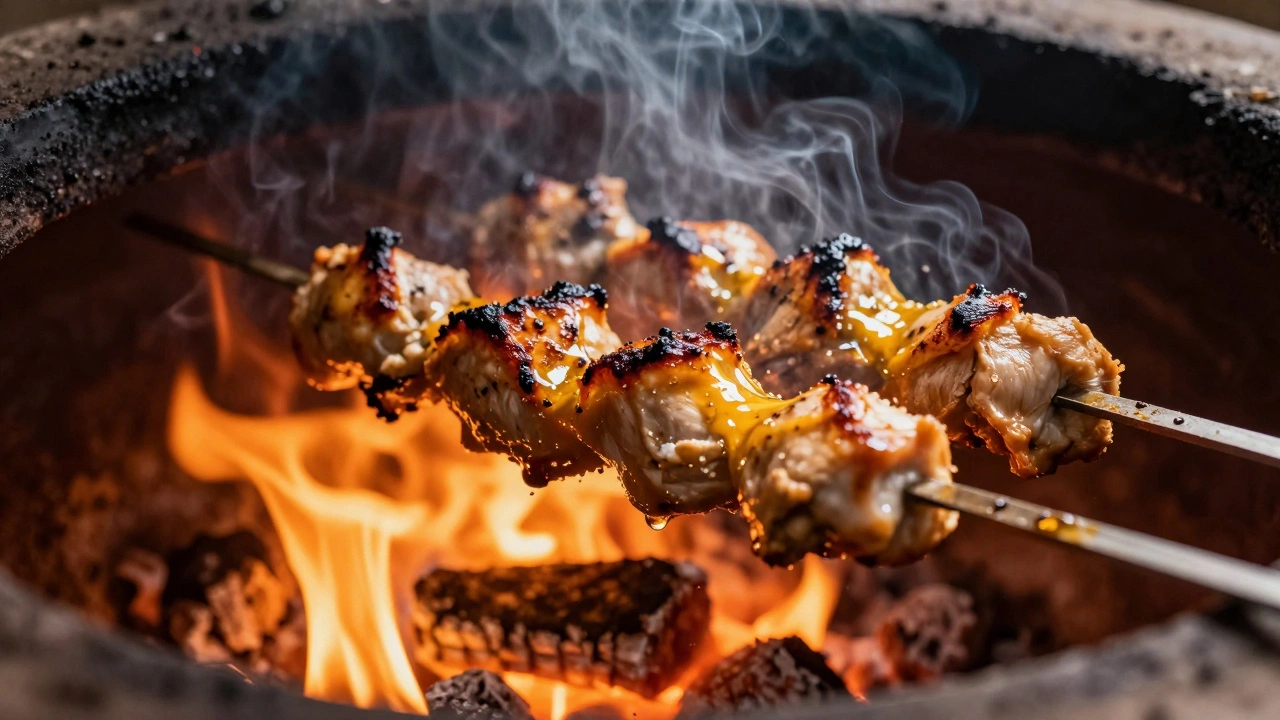
- The Cook: Wipe off the excess marinade if you see it pooling, but leave a thick layer on the meat. Grill or bake at a high temperature to trigger that beautiful caramelization.
Common Pitfalls to Avoid
One big mistake people make is using flavored mayonnaise. Don't use "chipotle mayo" or "garlic aioli" unless you've adjusted the rest of your spices. These often have high sugar contents that can burn quickly, turning your chicken black before the inside is actually cooked through. Another issue is the "oil slick." If you use too much mayo, you might find a lot of oil pooling in your baking sheet or grill pan. To prevent this, use a wire rack over your pan. This allows the hot air to circulate around the chicken, mimicking the environment of a real clay oven and letting the excess fat drip away without frying the bottom of the meat.When Should You Stick With Yogurt?
Despite the perks of mayo, there are times when yogurt is simply the right choice. If you are aiming for a very lean, health-conscious meal, the calories in mayonnaise can be a deal-breaker. Yogurt provides protein and probiotics (though most are killed during cooking) and keeps the calorie count significantly lower. Additionally, if you want that specific "curdy" texture that some traditional Indian dishes have, mayo won't give you that. Mayo results in a smooth, glossy finish, whereas yogurt can leave behind those characteristic small, flavorful clumps of spice and dairy that many people love in an authentic Tandoori experience.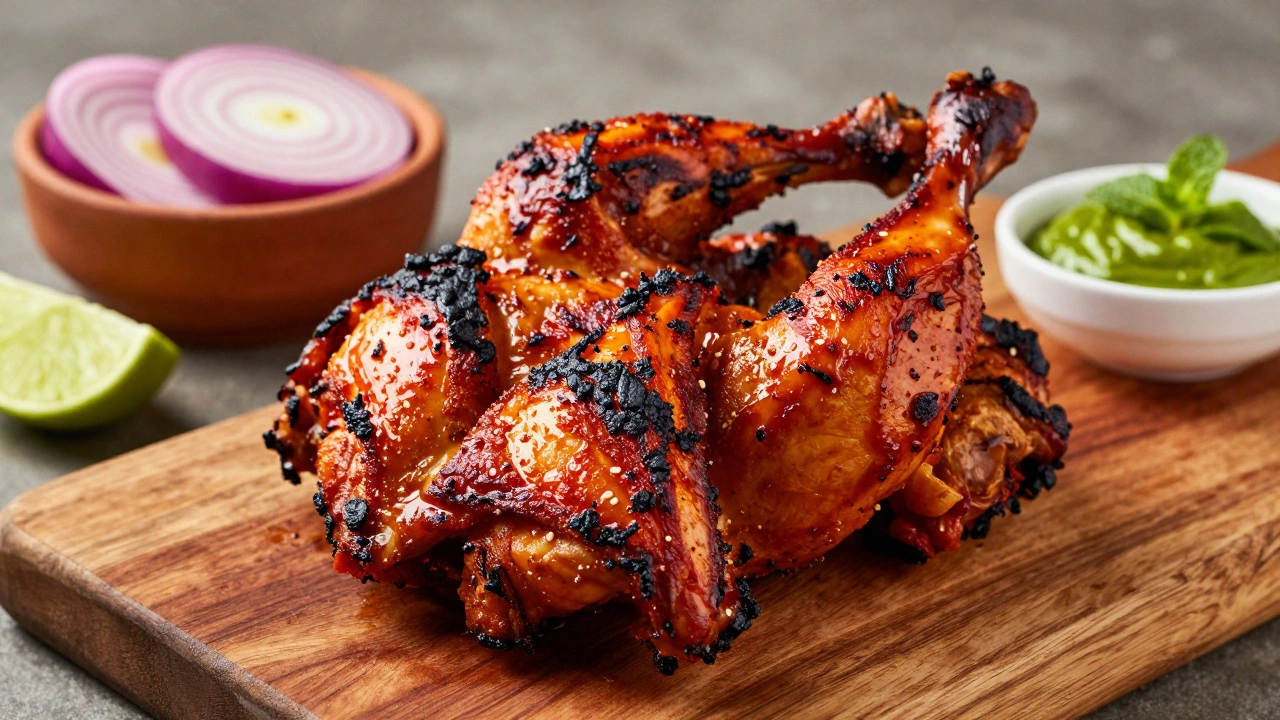
Pro Tips for Maximum Tenderness
If you're worried that mayo isn't "strong" enough to tenderize your chicken, try a double-stage marinade. First, rub the chicken with a mixture of lemon juice, salt, and a bit of oil for 30 minutes. This creates an initial chemical breakdown. Then, apply your mayonnaise and spice blend for the remaining few hours. This gives you the acid-driven tenderness of yogurt and the moisture-locking power of mayo. Also, consider the cut of meat. This swap works best with chicken thighs. Thighs have more intramuscular fat and connective tissue, which benefits from the protective coating of mayonnaise. If you're using chicken breasts, be careful not to overcook them, as mayo can mask the visual cues that the meat is drying out until it's too late.Will the chicken taste like mayonnaise after cooking?
Not at all. Once the chicken hits the high heat of a grill or oven, the mayonnaise breaks down into its basic components-oil and egg. The "mayo flavor" disappears, leaving behind a rich, juicy texture and a deep golden color. As long as you use strong spices like garam masala and ginger, the mayo becomes an invisible vehicle for flavor.
Can I use this method for other meats?
Yes, this works incredibly well for pork tenderloin and fish. For fish, a thin layer of mayo helps prevent the delicate flesh from sticking to the pan and keeps it from overcooking. For pork, it acts as a brilliant moisture barrier during roasting.
Is mayo a healthy substitute?
From a nutritional standpoint, mayo is less healthy than plain yogurt. It is higher in saturated fats and calories. However, if you are prioritizing taste and moisture over caloric intake, it is a highly effective culinary tool.
What if I don't have lemon juice for the acidity?
You can use white vinegar, apple cider vinegar, or even a bit of tamarind paste. The goal is to introduce an acid that cuts through the richness of the mayonnaise and mimics the tang of yogurt.
Does the cooking time change?
The internal cooking time remains the same, but keep a closer eye on the exterior. Because of the higher fat and sugar content in mayo, the outside will brown faster. If you notice it charring too quickly, lower the heat slightly or move the chicken further from the flame.
