Paneer vs. Chena: What's the Real Difference?
 Oct, 16 2026
Paneer vs. Chena Selector
Confused about which fresh cheese to use? Answer three simple questions to get the perfect ingredient recommendation for your dish.
Step 1: What is your primary goal?
Step 2: Regional Tradition?
Step 3: Texture Preference?
Make your selections to see if you need Paneer or Chena.
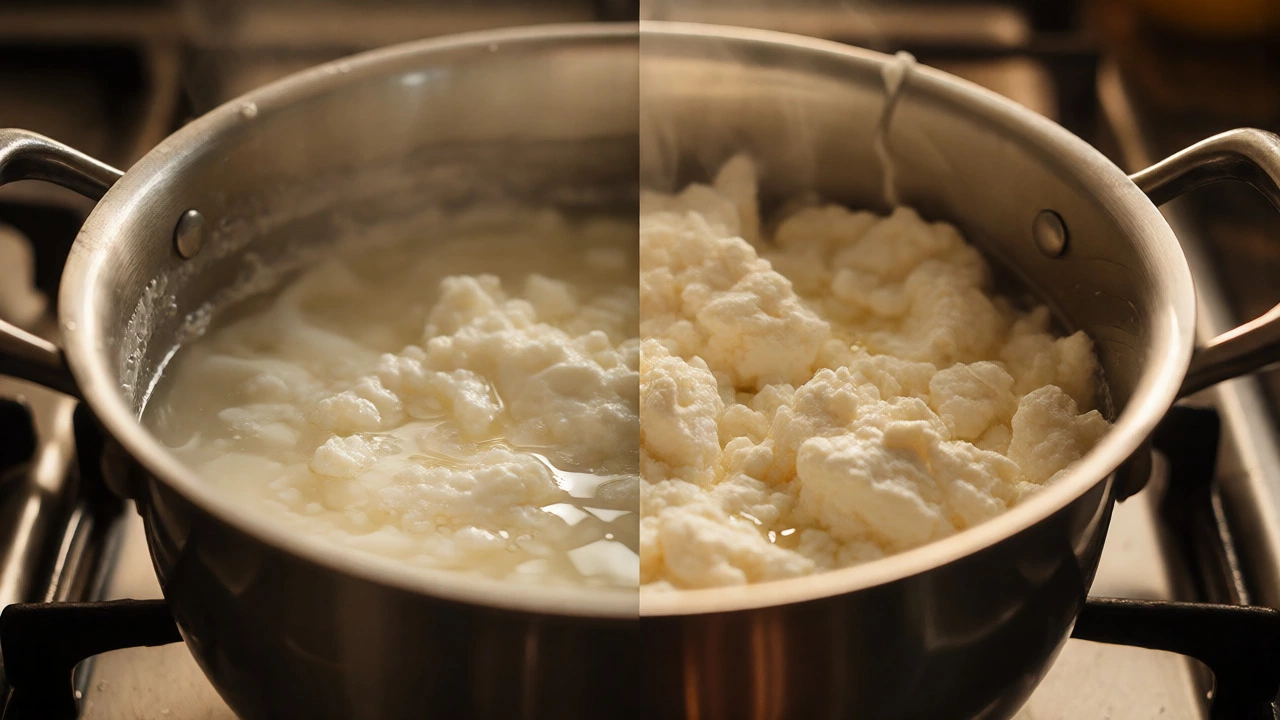
You’ve probably stood in your kitchen, milk curdling in a pot, wondering if you just made paneer or chena. It’s a common confusion because they look almost identical-white, soft, and fresh from the stove. But here’s the kicker: using them interchangeably can ruin a dish. One holds its shape in a spicy curry; the other melts into a sweet dessert. If you’re trying to nail authentic Indian flavors, knowing the distinction isn’t just trivia-it’s essential cooking technique.
Chena is the raw, unpressed curd obtained by coagulating milk with an acid like lemon juice or vinegar. Think of it as the base ingredient before any structural work happens. It’s moist, crumbly, and delicate. You don’t usually eat chena straight out of the pot unless you’re making something like Chena Puli in Bengal or adding it to salads. Its primary job is to be transformed.
The Physical Structure: Why Texture Matters
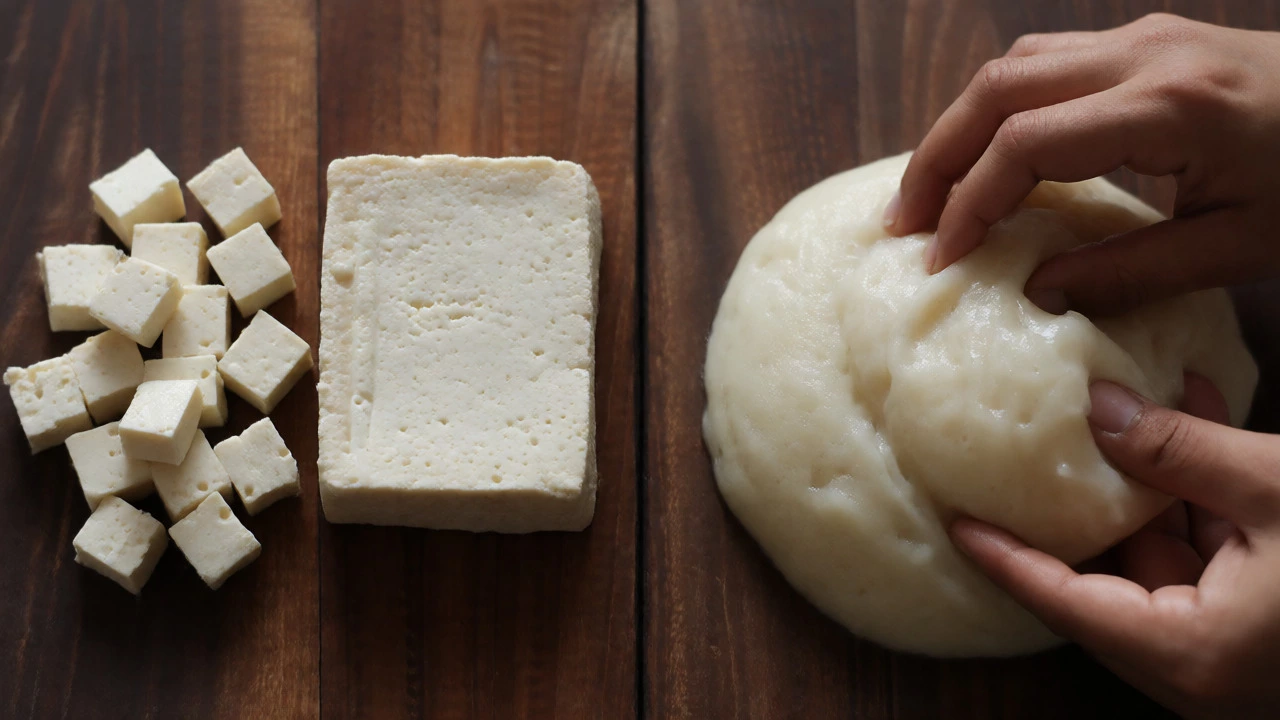
The biggest difference lies in how the protein matrix is handled. When you make paneer, you take that same initial curd (chena) and apply pressure. You wrap it in muslin cloth and weigh it down for hours. This squeezes out the whey-the watery part of milk-and binds the casein proteins into a dense, solid block. Chena skips this step entirely. It retains more moisture, which makes it tender but structurally weak.
Imagine trying to cube chena and throw it into a boiling gravy. It would disintegrate. Paneer, on the other hand, has been compressed enough to withstand high heat and agitation. This physical compression changes the mouthfeel completely. Paneer is firm, sometimes rubbery if over-pressed, while chena is soft, grainy, and yields instantly to the tongue.
Culinary Roles: Where Each Ingredient Shines
Because their textures differ so wildly, their roles in the kitchen are distinct. Using the wrong one leads to culinary disasters. Here is how professional cooks and home chefs utilize each:
- Paneer Applications: It is the star of savory dishes. Palak Paneer, Matar Paneer, and Shahi Paneer rely on paneer’s ability to absorb marinades without falling apart. It also works well in snacks like Paneer Tikka, where grilling requires a solid structure that doesn’t melt away like mozzarella.
- Chena Applications: This is the king of sweets. In Eastern India, specifically West Bengal and Odisha, chena is the foundation for Rasgulla, Sandesh, and Chhanar Jilipi. The softness of chena allows it to be kneaded into smooth doughs that puff up beautifully when boiled in syrup. If you tried to make Rasgulla with store-bought pressed paneer, it would be dense and chewy, not light and spongy.
Nutritional Profile: Are They Different?
Since both start from the same milk, their core nutritional values are similar, but the processing creates slight variances. Pressing paneer removes some lactose and water-soluble vitamins contained in the whey, slightly concentrating the fat and protein per gram compared to wet chena. However, the difference is marginal for most dieters.
| Nutrient | Fresh Chena (Wet) | Pressed Paneer |
|---|---|---|
| Protein | ~18g | ~20-24g (Concentrated) |
| Fat | Varies by milk source | Varies by milk source |
| Moisture Content | High (~60-70%) | Lower (~50-55%) |
| Calories | Lower density | Higher density |
If you are watching your calorie intake, keep in mind that paneer feels heavier because it is denser. A cup of chena will have fewer calories than a cup of paneer simply because the paneer pack more protein and fat into that volume. But if you are looking at macros per serving size, they are practically twins.
Regional Nuances: North vs. East India
Language plays a huge role in this confusion. In North India, the word "paneer" is often used loosely to describe any fresh cheese, even if it hasn’t been fully pressed. However, strictly speaking, what North Indians call "soft paneer" is often closer to chena. In East India, the distinction is rigid. "Chhana" (or Chena) is never called paneer. If you ask for paneer in Kolkata, you might get a firm block imported from Delhi, which won’t work for local sweets.
This regional divide affects recipes too. A Bengali cook making Sandesh insists on using only fresh, non-pressed chena made from full-fat buffalo milk. Using cow’s milk paneer results in a gritty texture. Conversely, Punjabi restaurants use hard, industrial-grade paneer blocks for their curries because they need consistency across hundreds of plates. Home cooks should respect these origins: match the ingredient to the cuisine tradition.
How to Make Both at Home
You don’t need two different recipes. You need one recipe and two stopping points. Start by boiling full-fat milk. Add lemon juice or citric acid until the milk separates into clear whey and white curds. Strain this through cheesecloth. At this stage, you have chena.
- To stop at Chena: Rinse the curds under cold water to remove the sour taste of the acid. Squeeze gently to remove excess water but do not press hard. Use immediately for sweets or mix into batters.
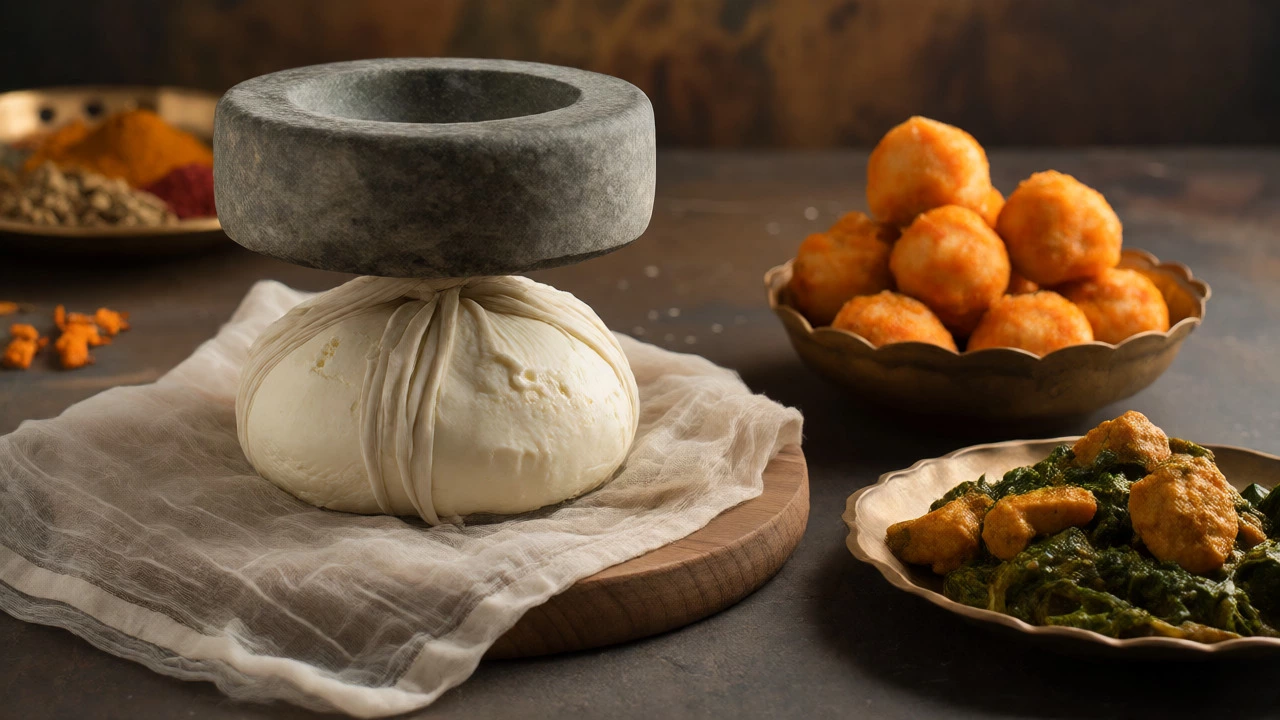
- To continue to Paneer: Gather the corners of the cloth and twist tightly. Place the bundle on a plate and put a heavy object (like a mortar or a pan filled with water) on top. Let it sit for 2-4 hours. Unwrap, slice, and soak in warm water if you want it softer.
Pro tip: Never skip rinsing the chena. If you leave the lemon flavor in, your Rasgullas will taste bitter, and your Palak Paneer will clash with the spinach’s earthiness.
Storage and Shelf Life
Chena is perishable. Because it holds moisture, bacteria thrive in it. Keep it in the fridge for no more than 2 days. Paneer lasts longer-up to a week-if submerged in water in an airtight container. The water prevents it from drying out and forming a skin. If you buy packaged paneer from the supermarket, check the ingredients. Many brands add calcium chloride or preservatives to extend shelf life, which can alter the taste. Homemade chena or paneer always tastes fresher and cleaner.
Can I substitute paneer for chena in desserts?
Generally, no. Store-bought paneer is too dry and firm. To make it work for desserts like Sandesh, you must soak it in warm water to soften it and then blend it into a paste. Even then, the texture won't be as light as fresh chena. For Rasgulla, substitution usually fails because the dough won't expand properly.
Why does my homemade paneer turn rubbery?
This happens for two reasons: over-boiling the milk after curdling or pressing it for too long. Once the milk splits, stop heating immediately. Also, limit pressing time to 2-3 hours. Over-pressing squeezes out too much moisture, leaving a tough, plastic-like texture.
Is chena healthy?
Yes, chena is a good source of high-quality protein and calcium. Since it is less processed than aged cheeses, it contains fewer additives. However, it is high in saturated fat if made from whole milk. Those watching cholesterol should opt for low-fat milk versions, though the texture will be drier.
What is the difference between chena and tofu?
They are completely different sources. Chena is dairy-based (casein protein from milk), while tofu is plant-based (soy protein). Tofu has a neutral taste and absorbs flavors differently. Chena has a mild milky sweetness and acidity depending on the coagulant used. They cannot be substituted in traditional Indian dishes.
Can I freeze chena or paneer?
You can freeze paneer, but it becomes porous and sponge-like upon thawing. It works okay for curries but loses its creamy texture. Freezing chena is generally not recommended because the ice crystals destroy its delicate structure, turning it into a watery mess when defrosted. Always use chena fresh.
