Should I Soak Paneer Before Cooking? The Truth Behind Texture and Taste
 Jan, 20 2026
Paneer Soaking Calculator
This tool helps you determine whether to soak paneer and how long, based on your cooking method and paneer type. Answer the questions below to get personalized advice.
1. What type of paneer are you using?
2. What cooking method will you use?
3. How does your paneer feel?
Your Recommendation
Ever made paneer at home, only to find it rubbery, dry, or falling apart in your curry? You’re not alone. A lot of people wonder: should I soak paneer before cooking? The answer isn’t simple - it depends on what you’re making, how you made the paneer, and what texture you want. But here’s the truth: soaking paneer isn’t just a myth. It’s a small step that can make a huge difference.
Why Paneer Gets Hard or Dry
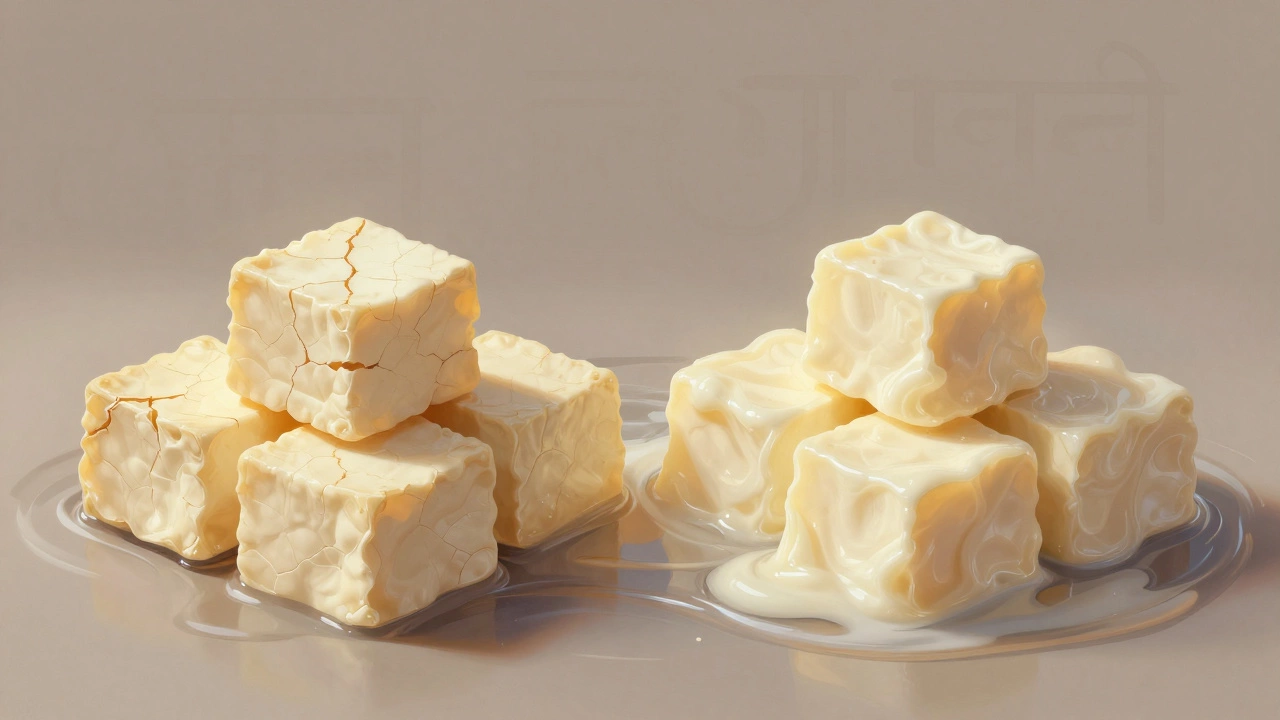
Paneer is fresh cheese made by curdling milk with lemon juice or vinegar, then pressing out the whey. The more you press it, the firmer it gets. That’s great for grilling or frying, but not always ideal for curries. If you press it too hard or too long, the moisture gets squeezed out. When you cook it later, that dryness turns into toughness. The heat makes the proteins contract even more, and suddenly your paneer feels like chewy erasers instead of soft, creamy bites.Homemade paneer is especially prone to this. Store-bought paneer often has additives or is packed in water to stay soft. But when you make it yourself, you control the pressing - and sometimes, you press too much.
What Soaking Paneer Actually Does
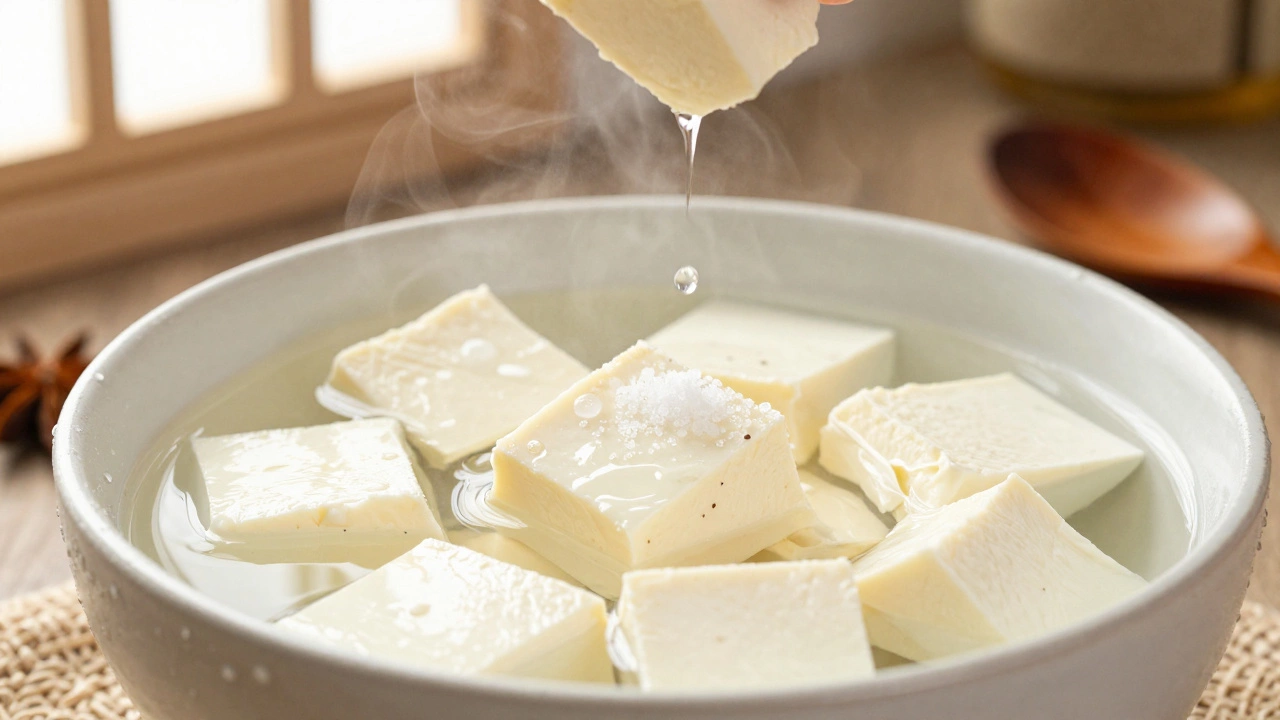
Soaking paneer in warm water for 10 to 15 minutes reverses that drying effect. It doesn’t make it soggy - it rehydrates it. The warm water lets the cheese fibers absorb moisture back in, softening the texture from the inside out. Think of it like letting a dried sponge soak up water. It doesn’t become a puddle - it just regains its spring.This step is especially useful if you’re using paneer in gravies like palak paneer, paneer butter masala, or even in koftas. Soft paneer absorbs flavors better. Hard paneer just sits there, tasting like plain cheese. Soaked paneer? It melts into the sauce, holding its shape but feeling tender in your mouth.
When You Don’t Need to Soak Paneer
Not every dish needs soaked paneer. If you’re frying paneer cubes for paneer tikka or grilling it on skewers, you want it firm. Soaking it would make it fall apart. Same goes for paneer in stir-fries or when you’re browning it for texture. In those cases, you want the outside crisp and the inside slightly chewy - soaking would ruin that.Also, if your paneer is freshly made and you pressed it lightly (say, under a small bowl for 30 minutes), it’s already soft enough. Soaking it then is unnecessary. Test it: press a cube gently. If it springs back slowly and feels moist, skip the soak.
How to Soak Paneer the Right Way
There’s a right way and a wrong way to soak paneer. Here’s how to do it right:- Cut your paneer into cubes or slices before soaking. Smaller pieces absorb water faster and more evenly.
- Use warm water - not hot, not cold. Around 40°C (105°F) is perfect. Hot water can start cooking the paneer; cold water won’t help it rehydrate.
- Let it sit for 10 to 15 minutes. Don’t leave it for an hour. That’s when it starts to get mushy.
- Drain it well. Pat dry with a paper towel if you’re going to fry or grill it. For curries, you can add it straight from the water - the extra moisture won’t hurt.
Pro tip: Add a pinch of salt to the soaking water. It seasons the paneer from within and helps balance flavors in your dish. It’s subtle, but noticeable.
What Happens If You Skip Soaking
If you skip soaking and your paneer is dry, you’ll notice a few things:- It doesn’t absorb sauce - the curry pools around it instead of clinging to the cubes.
- It feels dense and rubbery when you bite into it.
- It might crack or break apart when stirred.
- It tastes bland, even in flavorful curries.
That’s not because the recipe is bad. It’s because the paneer didn’t get the chance to be its best self.
Homemade vs. Store-Bought Paneer
Store-bought paneer is often pre-soaked in brine or packed in water. You can usually tell by the weight - it feels heavier. Check the label: if it says “packed in water” or “moisture-retained,” you’re probably fine without soaking. But if it’s labeled “firm” or “extra-firm,” a quick 5-minute soak won’t hurt.Homemade paneer? Always check. If you pressed it under a heavy pot for an hour or more, soak it. If you pressed it lightly with just a plate and a can, skip it. There’s no one-size-fits-all rule - it’s about what you made, not what the recipe says.
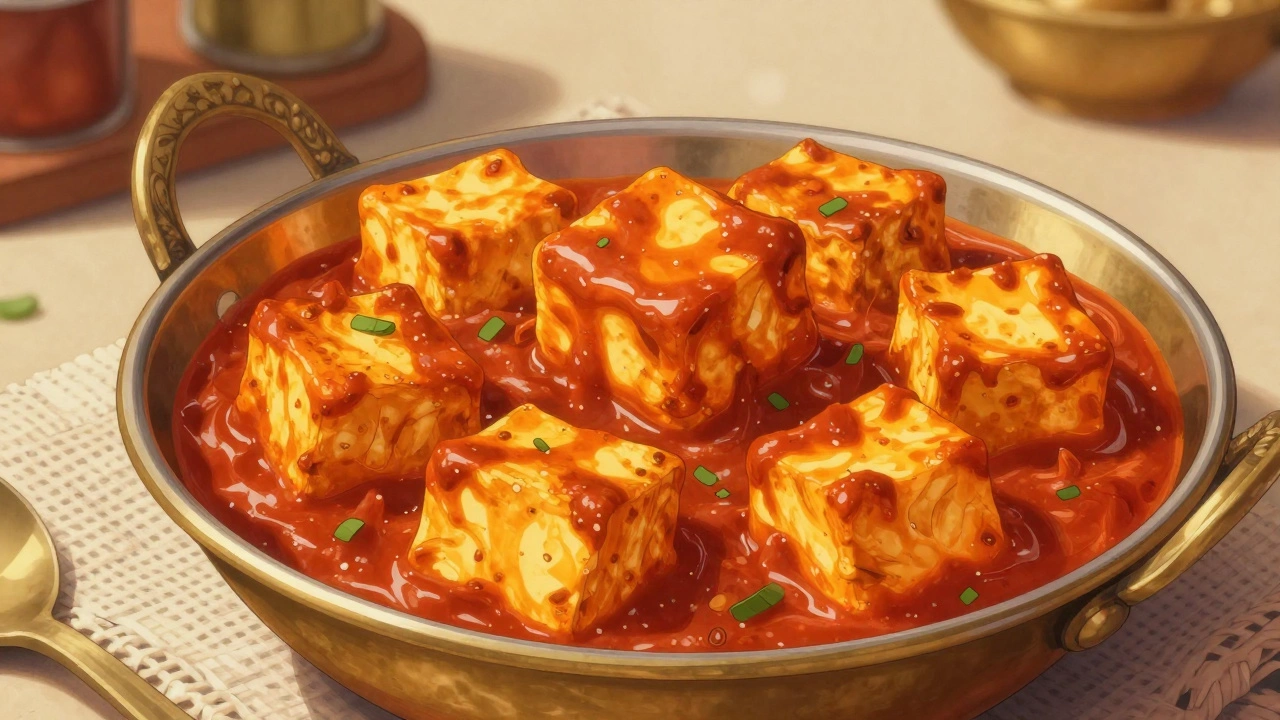
Real-World Example: Paneer Butter Masala
Take paneer butter masala. The sauce is rich, creamy, and thick. You want the paneer to sit in that sauce like a soft cloud, not a rock. If you skip soaking and use dry paneer, here’s what happens:- The paneer cubes stay white and hard while the sauce clings to the pan.
- You end up eating sauce with a side of rubber.
- People ask, “Why does your paneer taste like nothing?”
Now, soak it for 12 minutes. The paneer turns slightly plump, takes on a creamy ivory color, and soaks up the tomato-cream sauce like a sponge. Every bite is buttery, tender, and full of flavor. That’s the difference soaking makes.
Myth Busting: Soaking Makes Paneer Watery
Some people say soaking makes paneer watery and ruins the dish. That’s only true if you soak it too long or use cold water. Soaking for 15 minutes in warm water doesn’t make it soggy - it makes it springy. If your curry ends up watery, it’s because you added too much liquid to the sauce, not because of the paneer.And if you’re worried about diluting flavor? You’re not. The paneer isn’t absorbing the sauce yet - that happens during cooking. Soaking is just about texture. Flavor comes later.
What to Do If You Forgot to Soak
You’re mid-cooking and realize you skipped soaking. Don’t panic. Here’s what you can do:- Drop the paneer cubes into the curry sauce and simmer on low heat for 5 minutes. Let the sauce gently rehydrate them.
- Turn off the heat and let the dish rest for 10 minutes before serving. The paneer will soften slowly.
- If you’re frying paneer, brush it lightly with milk or cream before cooking. It adds a bit of moisture back.
It’s not perfect - but it’s better than rubbery paneer.
Final Verdict: Yes, Soak It - But Know When
So, should you soak paneer before cooking? Yes - if you’re using it in gravies, curries, or any dish where softness matters. No - if you’re frying, grilling, or baking it for texture. Always consider how you made it. Homemade paneer? Soak it unless it’s freshly pressed and soft. Store-bought? Check the label. If it feels dry, soak it anyway.It’s not a step you need to do every time. But when you do, it transforms the dish. One simple trick turns good paneer into great paneer.
How long should I soak paneer before cooking?
Soak paneer in warm water (around 40°C or 105°F) for 10 to 15 minutes. This rehydrates it without making it soggy. If you’re using it in a curry, you can skip patting it dry. For frying or grilling, drain and pat it gently with a paper towel.
Can I soak paneer in milk instead of water?
Yes, soaking paneer in milk adds richness and a subtle sweetness, which works well in desserts or creamy curries like paneer butter masala. Use lukewarm milk and soak for 10 minutes. It’s a luxury step - not necessary, but delicious.
Why does my paneer fall apart when I cook it?
Paneer falls apart if it’s too soft or if it’s been over-soaked. It can also happen if you’re using low-fat milk to make it - less fat means weaker structure. Make sure you’re using full-fat milk and pressing it just enough. If you’re soaking it, keep it under 15 minutes.
Does soaking paneer reduce its protein content?
No, soaking paneer doesn’t reduce its protein content. The proteins are bound tightly in the cheese matrix. Water only rehydrates the structure - it doesn’t wash away nutrients. You’re not losing protein; you’re just making it more pleasant to eat.
Can I refrigerate soaked paneer for later use?
Yes, but don’t leave it soaked in water. Drain it completely, wrap it in a damp cloth, and store it in the fridge for up to 2 days. If you want to keep it moist longer, place it in an airtight container with a little cold water - change the water daily.
