Areca Nut: What It Is, How It's Used in India, and Why It Matters
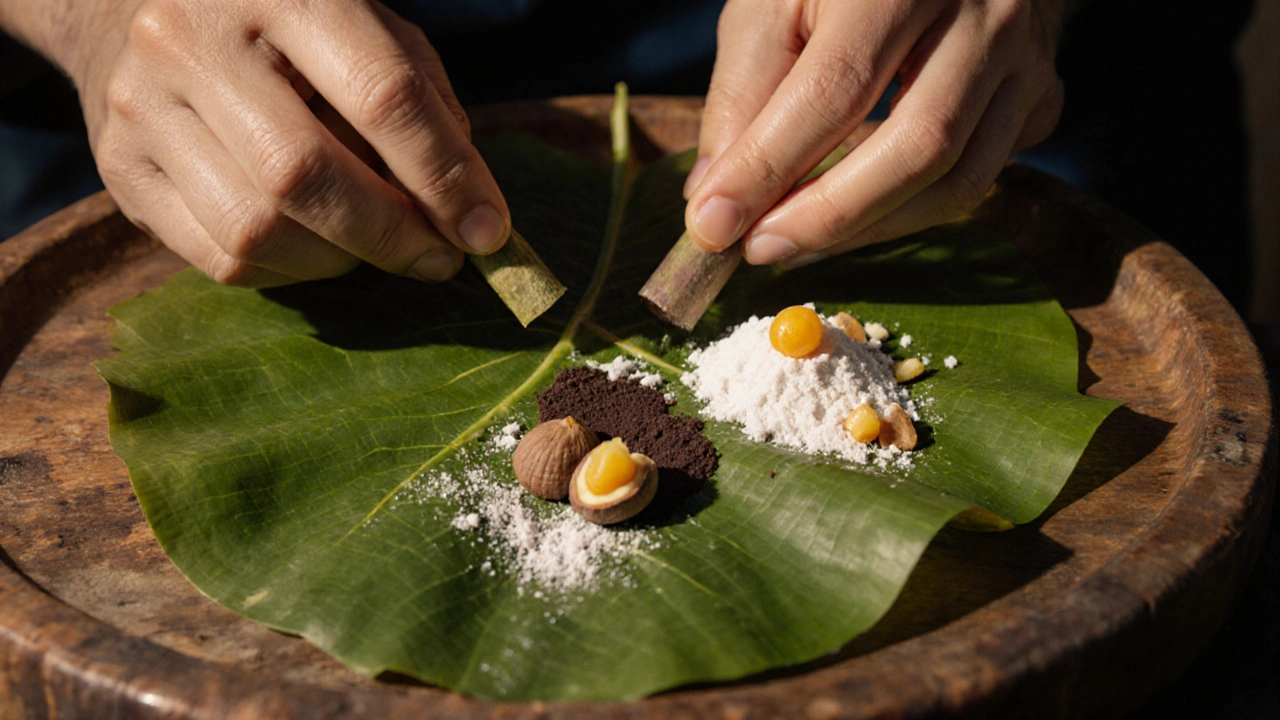
When you see someone in India spitting red juice on the side of the road, they’re likely chewing areca nut, a seed from the areca palm tree, often wrapped in betel leaf with slaked lime and sometimes tobacco. Also known as betel nut, it’s one of the most widely consumed stimulants in the country—used by millions daily, not as a drug, but as a cultural habit, much like coffee or tea elsewhere. This isn’t just a snack. It’s a ritual. People chew it after meals, during social gatherings, at temples, even at work breaks. It’s offered to guests, given as a gift, and used in weddings and religious ceremonies across rural and urban India.
The areca nut doesn’t work alone. It’s almost always paired with betel leaf, which is mildly aromatic and helps balance the nut’s sharp taste. Then comes slaked lime—calcium hydroxide—which activates the alkaloids in the nut, making the effect stronger. Some add tobacco, cardamom, or sweeteners. The mix changes by region: in South India, it’s often plain and strong; in the North, it’s sweeter, sometimes wrapped in a colorful leaf with a hint of rosewater. But no matter the variation, the result is the same: a mild buzz, a warm feeling in the chest, and that signature red stain.
Here’s the catch: while many chew it for tradition or taste, science says it’s not harmless. Studies link regular use to oral cancer, gum disease, and tooth discoloration. Yet, banning it isn’t simple. For millions, it’s not a vice—it’s part of identity. It’s what their grandparents did. What their uncles chew while talking politics at the tea stall. What they offer to mark a special moment. The debate isn’t just about health. It’s about culture, economics, and how fast tradition can change in a modernizing country.
That’s why the posts below dig into the real stories behind areca nut—not just the warnings, but the why. You’ll find how it’s tied to Indian street food culture, why it shows up in home remedies, how it’s used in religious offerings, and what people are doing to reduce its harm without giving up the ritual. Whether you’ve chewed it, seen it, or just wondered why it’s everywhere, these articles give you the full picture: the taste, the tradition, and the truth.