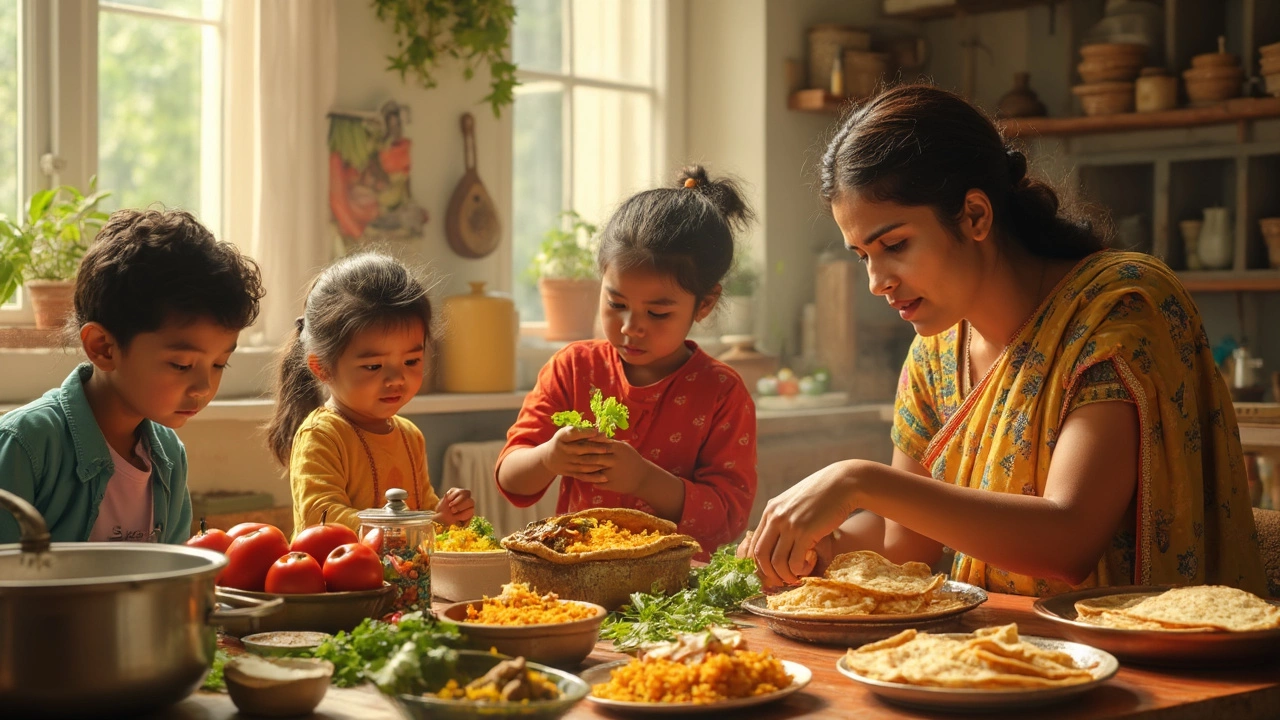
Avoid Getting Ill: Safe Eating Tips from Indian Kitchens
When you're eating Indian food, avoid getting ill, a common concern for travelers and locals alike when navigating street food and home-cooked meals. It’s not about avoiding Indian cuisine—it’s about knowing what to look for. Many cases of stomach upset come from simple mistakes: unclean produce, improper storage, or hidden non-vegetarian ingredients in dishes labeled "vegetarian."
Salad safety in India, a frequent worry for visitors, isn’t about whether greens are bad—it’s about where they’re washed and how they’re handled. A fresh salad at a busy street stall might be risky, but one served at a clean restaurant using bottled water and proper prep is perfectly fine. Same goes for chutneys: cold herb chutneys are safe if freshly made, while cooked tamarind or mango versions are often safer due to the cooking process. Hidden non-vegetarian ingredients, like ghee made from animal fat, fish paste in some pickles, or rennet in paneer, can trip up vegetarians and trigger reactions in those with dietary restrictions. Knowing what to ask—"Is this made with animal products?"—can save you from more than disappointment.
Turmeric, a powerful anti-inflammatory spice, isn’t just for flavor—it’s your body’s natural shield. A simple dal with turmeric, ginger, and black pepper can reduce inflammation and support digestion, making it one of the smartest meals you can eat when you’re trying to stay healthy. And if you’re cooking at home, controlling your oil choice matters. Using high-smoke-point oils like mustard or sunflower for frying keeps your food safer and more stable under heat.
It’s not about fear. It’s about awareness. You don’t need to avoid Indian food to stay well—you just need to know the signs. Look for busy stalls (high turnover means fresher food), ask about ingredients if something seems off, and trust your gut—literally. If a dish smells strange or looks watery, walk away. Most illnesses come from poor handling, not the food itself. And if you’re cooking, follow the basics: wash hands, clean surfaces, store leftovers fast, and never reuse oil that’s been fried too many times.
Below, you’ll find real advice from Indian kitchens on how to eat safely without missing out on flavor. From dosa batter hygiene to spotting safe street snacks, these posts give you the tools to enjoy Indian food with confidence—no guesswork needed.