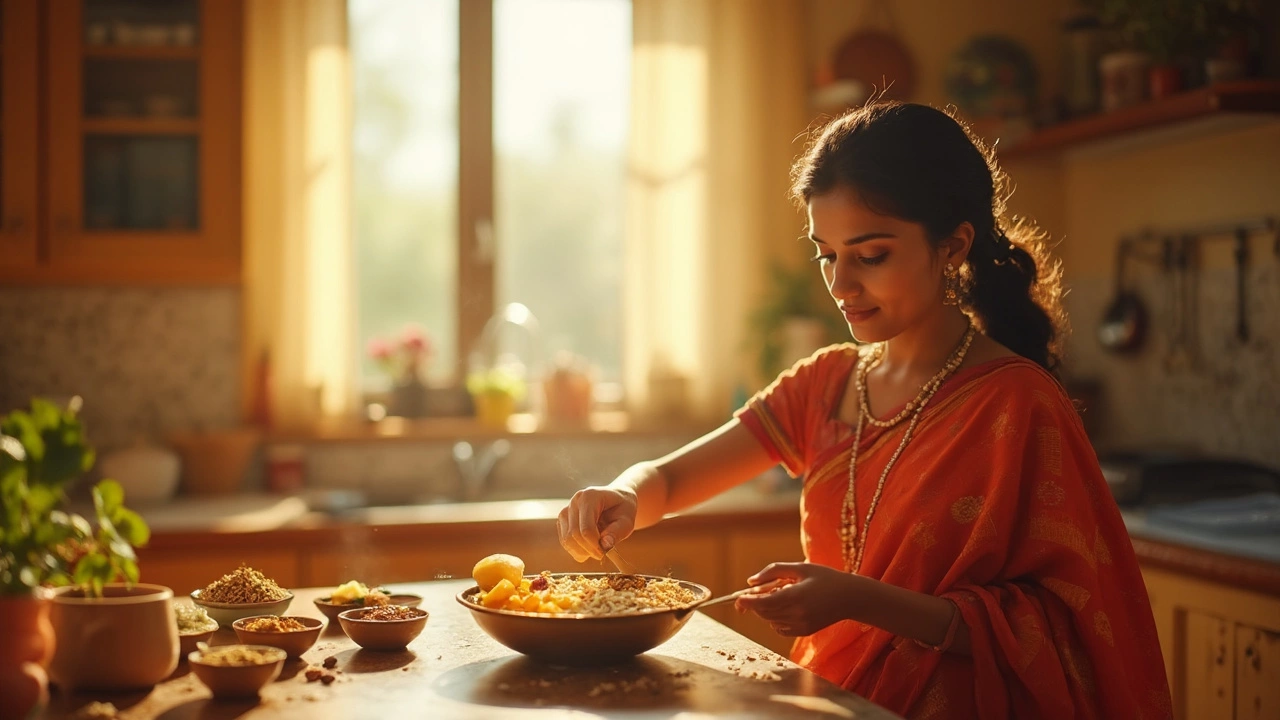
Balanced Breakfast: Indian-Inspired Meals That Fuel Your Day
A balanced breakfast, a meal that provides steady energy, essential nutrients, and lasting fullness without crashes. Also known as nutritious morning meal, it’s not just about eating—it’s about eating right, especially in a country where breakfast isn’t just a meal, it’s a ritual. In India, a balanced breakfast doesn’t mean oatmeal and yogurt. It means warm, soft roti, a whole wheat flatbread that’s rich in fiber and slow-digesting carbs paired with spiced lentils, or fluffy dosa, a fermented rice and lentil crepe that’s naturally probiotic and high in plant-based protein served with coconut chutney. These aren’t trendy superfood bowls—they’re everyday meals that have kept generations active, focused, and healthy without a single processed ingredient.
What makes these meals balanced? They mix carbs, protein, and healthy fats in ways science now confirms work: the fiber from whole grains slows sugar spikes, the lentils and paneer deliver slow-burning protein, and the spices like turmeric and cumin aren’t just for flavor—they fight inflammation and aid digestion. You won’t find sugary cereals here. Instead, you’ll find high-protein Indian snacks, like roasted chickpeas, paneer tikka, or soy namkeen, often eaten as breakfast because they’re practical, cheap, and packed with nutrition. Even a simple cup of masala chai, often dismissed as just a drink, plays a role—it’s not just caffeine, it’s ginger, cardamom, and black pepper, all helping your body absorb nutrients better.
And it’s not just what you eat—it’s how you eat it. In Delhi, people start their day with steaming poha, flattened rice cooked with peanuts, curry leaves, and turmeric at street stalls, while in South India, idli and sambar are the norm—steamed rice cakes with a lentil-based vegetable stew. These meals don’t require fancy equipment or expensive ingredients. They rely on time-tested combinations: fermented batter for better digestion, slow-cooked dal for sustained energy, and fresh chutneys that add vitamins without sugar. This is what a real balanced breakfast looks like: simple, local, and deeply tied to culture.
There’s no one-size-fits-all version. Some people eat it hot, some cold. Some with tea, some with buttermilk. But every version shares the same goal: to give you energy that lasts until lunch without the sugar crash. And if you’ve ever felt sluggish after toast and jam, you know why this matters. The posts below show you exactly how to build your own version—whether you want to make dosa batter perfect, choose the right oil for tandoori-style eggs, or avoid hidden non-vegetarian ingredients in your morning meal. You’ll find real recipes, real tips, and real results—not guesses or trends. This isn’t about eating healthy. It’s about eating well, the way India has been doing it for centuries.