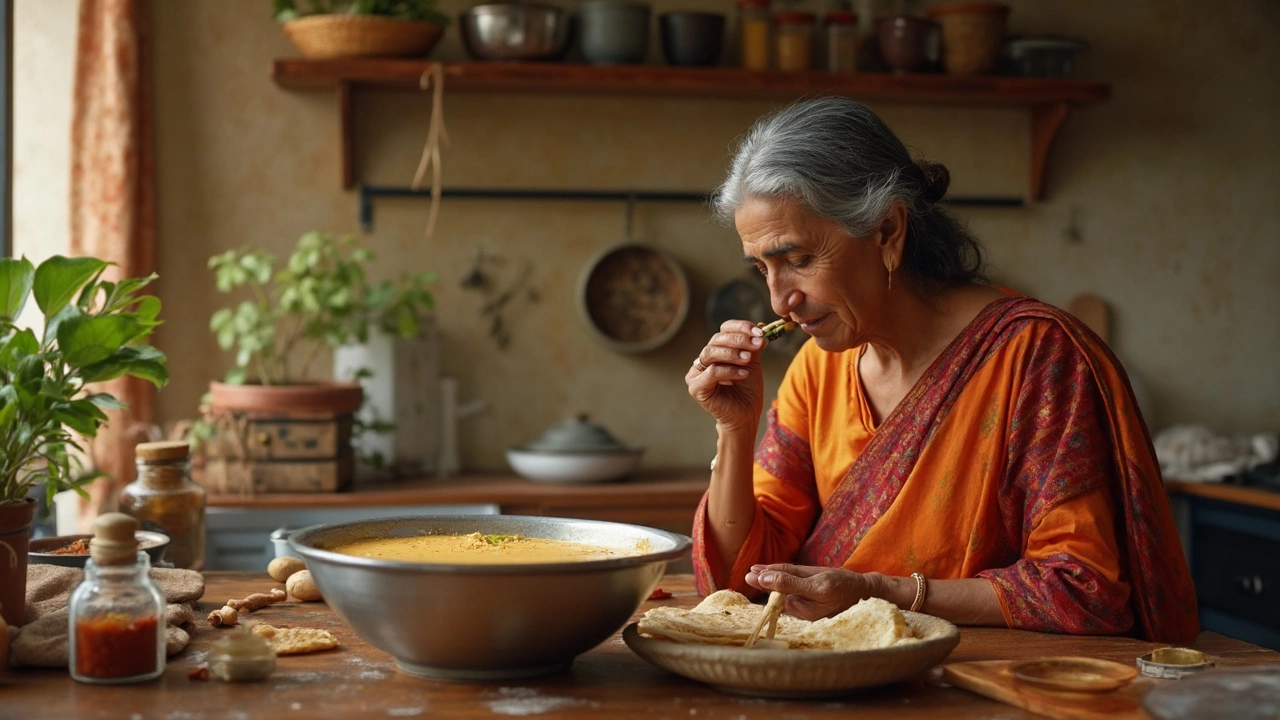
Bitterness in Indian Cooking: Why It Happens and How to Fix It
When your food tastes bitter, it’s not usually the spice—it’s the mistake. Bitterness in Indian cooking isn’t supposed to be there. It sneaks in from too much fenugreek, burnt garlic, old turmeric, or too much baking soda in dosa batter. This isn’t flavor—it’s a warning sign. bitterness, an unpleasant, sharp taste that overrides aroma and balance in food is the enemy of good Indian dishes, especially when you’re trying to highlight the warmth of cumin, the sweetness of tamarind, or the creaminess of paneer.
It’s not just about one ingredient. baking soda in dosa batter, a leavening agent used to make dosas fluffy is a classic culprit. Too much turns the batter metallic and leaves a bitter aftertaste, even if the rest is perfect. Same goes for garam masala spices, a blend of roasted whole spices ground into powder. If you roast them too long or use stale ones, they turn bitter instead of aromatic. Even chutney temperature, whether served cold or warm can change how bitterness lands on your tongue—cold herb chutneys hide bitterness better than warm tamarind ones, where sourness and bitterness fight head-on.
You won’t find bitterness in professional Indian kitchens because they know the rules: toast spices just until fragrant, not until they smoke. Use fresh baking soda—old powder doesn’t react right. Taste as you go, not just at the end. And never assume more spice means better flavor. Sometimes, less is the only way to let the real taste shine. The posts below show you exactly where bitterness hides—in your dosa, your curry, your chutney, even your garam masala—and how to fix it with simple, proven steps. No guesswork. No fluff. Just what works.