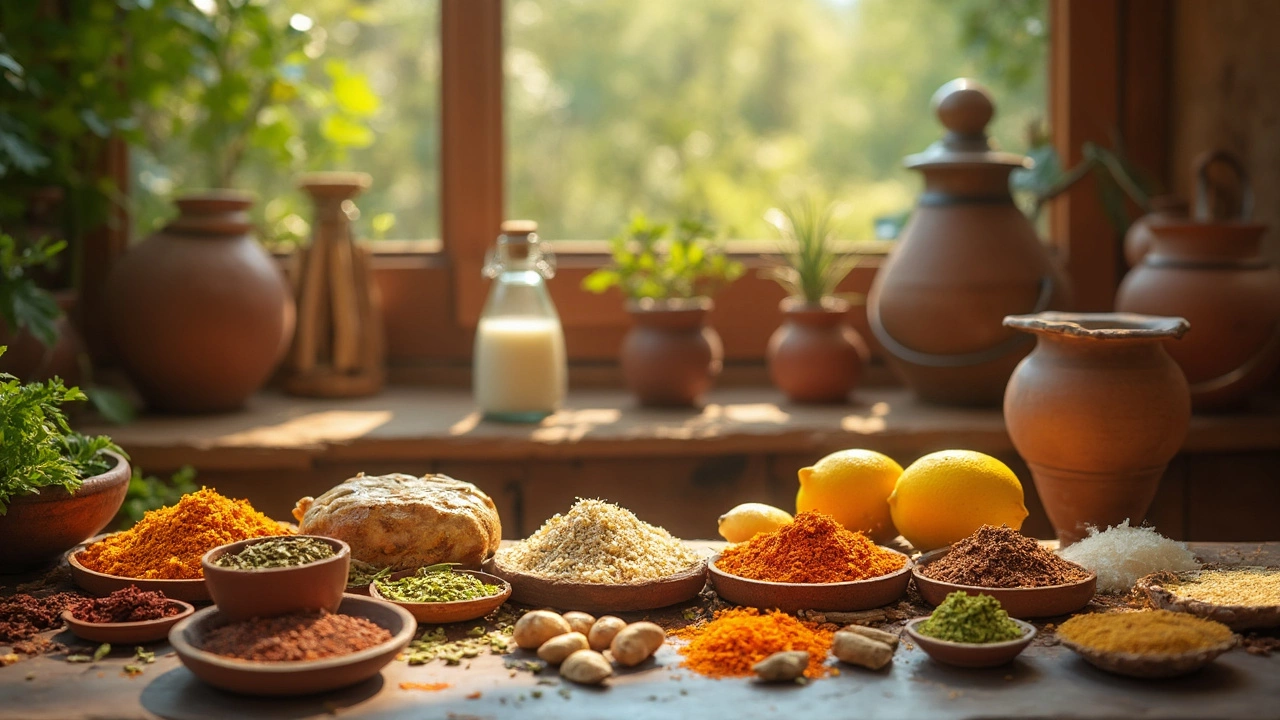
Chicken Marinade Alternatives: Indian Spices That Work Better Than You Think
When it comes to chicken marinade alternatives, substances used to flavor and tenderize chicken before cooking. Also known as chicken brines or rubs, these aren't just about adding taste—they're about transforming tough cuts into juicy, fall-off-the-bone bites. Most people stick to soy sauce, lemon, or bottled teriyaki, but if you’ve ever tried an Indian-style marinade, you know there’s a whole other level of flavor and texture waiting.
Take yogurt, a fermented dairy base commonly used in Indian cooking to tenderize meat. It’s not just a cooling agent—it’s a natural enzyme powerhouse. The lactic acid gently breaks down proteins without turning chicken mushy, unlike vinegar or citrus that can over-tenderize. Add garlic, ginger, cumin, coriander, and a pinch of turmeric, and you’ve got a base that sticks to the chicken, locks in moisture, and gives you that restaurant-style char without a tandoor.
Then there’s tandoori marinade, a spice-rich blend traditionally used for cooking chicken in clay ovens. It’s not just red food coloring and paprika. Real tandoori includes Kashmiri chili for color, smoked paprika for depth, garam masala for warmth, and sometimes even a touch of kasuri methi (dried fenugreek leaves) for that unmistakable aroma. This isn’t a quick 30-minute soak—it’s a 4-hour or overnight ritual that turns chicken into something unforgettable.
And if you’re avoiding dairy? Try tamarind paste, a sour, fruity pulp used in South Indian and Goan cooking to tenderize and add complexity. Mixed with mustard oil, asafoetida, and red chili powder, it creates a tangy, sticky coating that caramelizes beautifully on the grill. It’s the secret behind many street food chicken skewers you’ll find in Mumbai or Chennai.
What most marinade guides don’t tell you? Time matters more than quantity. A 2-hour soak with the right Indian spices beats a 12-hour soak with bland ingredients. The key is balancing acid, fat, spice, and time. Too much acid? Chicken turns grainy. Too little spice? It tastes like plain chicken. Just right? You get that perfect crust with a juicy center.
You’ll also find that Indian kitchens rarely use sugar-heavy marinades. Instead, they rely on natural sweetness from onions, ginger, or a dash of jaggery to balance heat and acidity. No need for high-fructose corn syrup or artificial flavors. Real flavor comes from grinding your own spices—freshly toasted cumin seeds, crushed black peppercorns, ground cardamom. It’s not fancy. It’s just better.
And here’s the thing: you don’t need special equipment. A bowl, a ziplock bag, and your fridge are all you need. Whether you’re grilling, baking, or pan-searing, these Indian-style alternatives work just as well. They’re cheaper, healthier, and far more flavorful than anything you’ll find in a bottle at the supermarket.
Below, you’ll find real recipes and tested tricks from home cooks who’ve cracked the code on juicy, spiced chicken—no fancy tools, no imported ingredients, just smart swaps that make your chicken taste like it came from a roadside tandoor in Delhi. Some use yogurt. Others swear by tamarind. A few even mix both. You’ll see what works, what doesn’t, and why.