Chutney: The Bold Indian Condiment That Elevates Every Meal
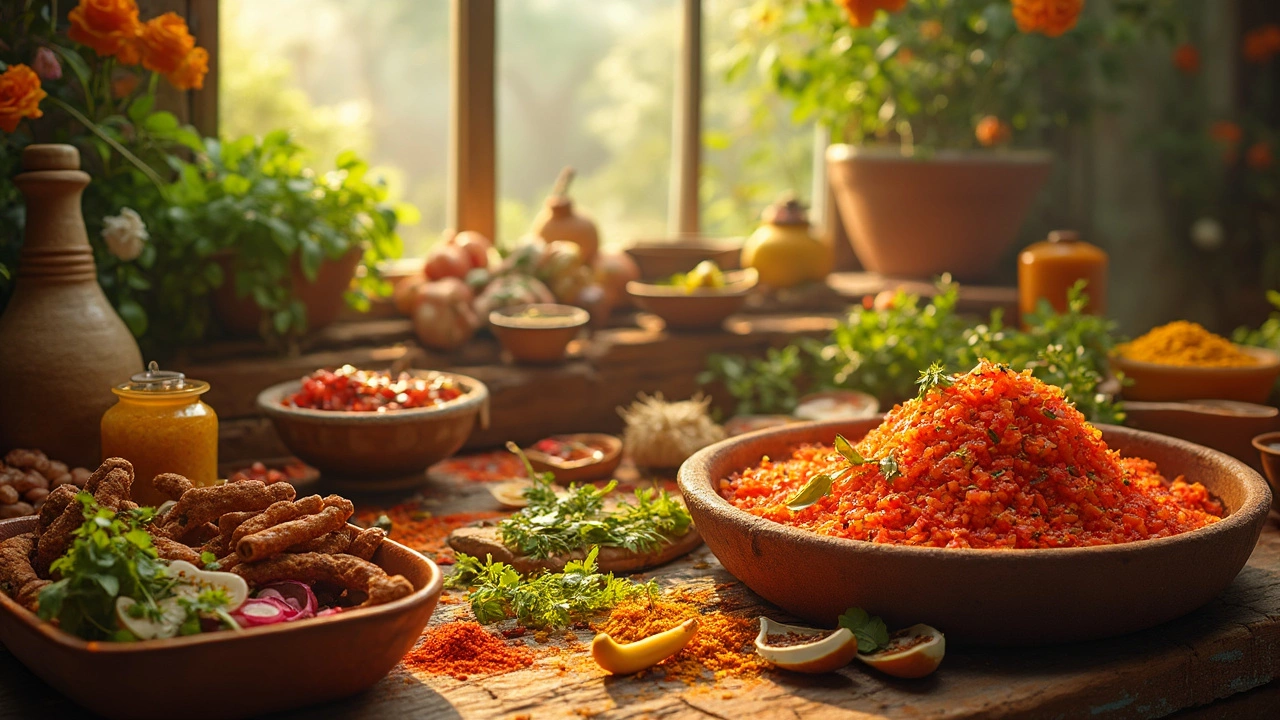
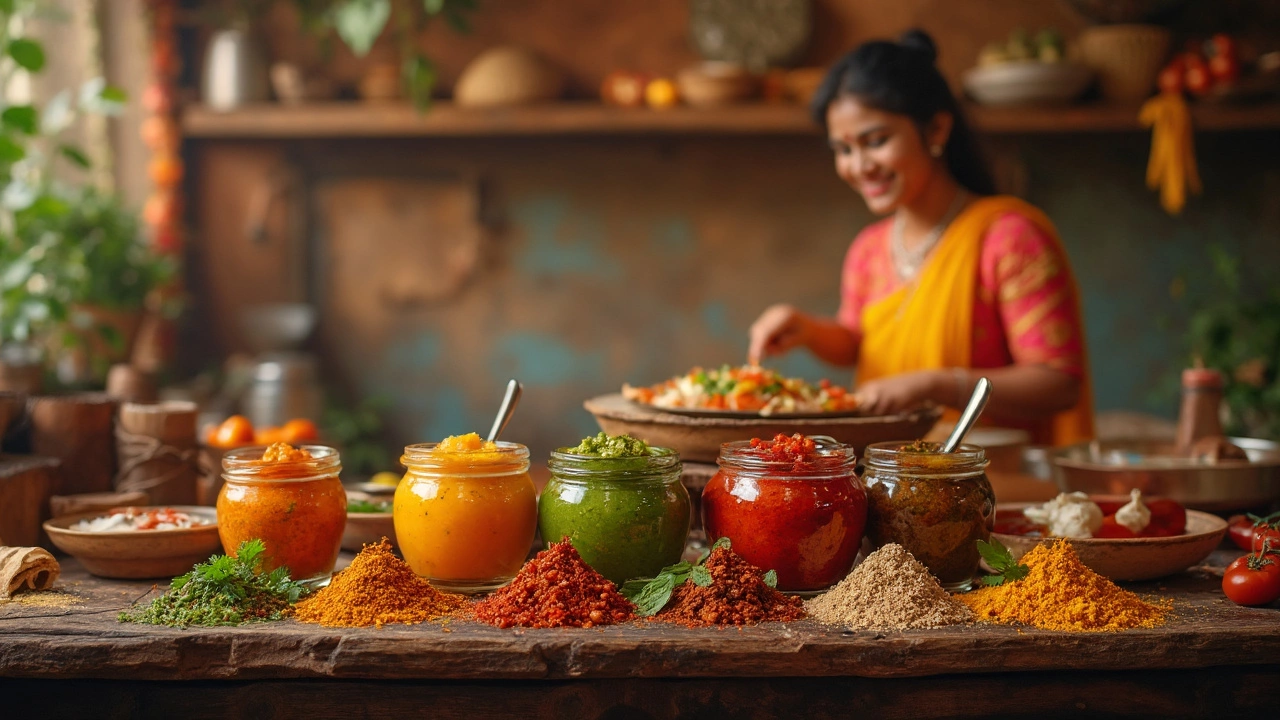
Chutney, a spicy or sweet condiment made from fruits, herbs, or vegetables blended with spices and vinegar or yogurt. Also known as chatni, it’s the secret weapon in Indian meals—turning simple roti, dosa, or pizza into something unforgettable. Unlike ketchup or salsa, chutney isn’t just a side. It’s a flavor engine. One spoon can balance heat, tang, sweetness, and earthiness all at once.
Not all chutneys are the same. Indian chutney, typically fresh, raw, or lightly cooked with cilantro, mint, tamarind, or coconut thrives cold—its brightness cuts through fried snacks or rich curries. But English chutney, a slow-cooked, jam-like preserve with apples, onions, and vinegar, is meant to be served warm, often alongside cheese or cold meats. The difference isn’t just taste—it’s history. Indian chutney grew from street-side mortar-and-pestle traditions. English chutney was born in colonial kitchens trying to replicate Indian flavors with British pantry staples.
Temperature changes everything. Serve fresh coriander chutney warm, and you kill its crispness. Heat up tamarind chutney, and its sugars bloom, deepening the flavor. That’s why the best Indian kitchens don’t just make chutney—they adjust it. Chutney recipes, whether for mango, garlic, or peanut, aren’t fixed. They’re living. You tweak them based on the dish, the season, even the mood. Some use jaggery. Others use roasted cumin. Some add a splash of lemon. Others skip acid entirely.
And it’s not just about flavor. Chutney is culture. It’s the condiment that turns a snack into a ritual. It’s what you dip your samosa in while waiting for the bus. It’s what your grandma keeps in a glass jar on the counter, always ready. It’s what Americans call relish—but that’s like calling a tiger a housecat. The texture, the spice profile, the way it clings to food—it’s all different.
What you’ll find in the posts below isn’t just a list of recipes. It’s the real talk from Indian kitchens: why your mint chutney turns bitter, when to serve it hot versus cold, how English chutney ended up in British tea rooms, and why some vegetarians avoid certain types without even knowing it. You’ll learn how to fix a runny chutney, how to store it without losing punch, and why a single ingredient like asafoetida can make or break the whole batch. This isn’t theory. It’s what works—tested on street stalls, home stoves, and pizza crusts with an Indian twist.