Curry Cooking Tips: Master Indian Spice Blends and Techniques
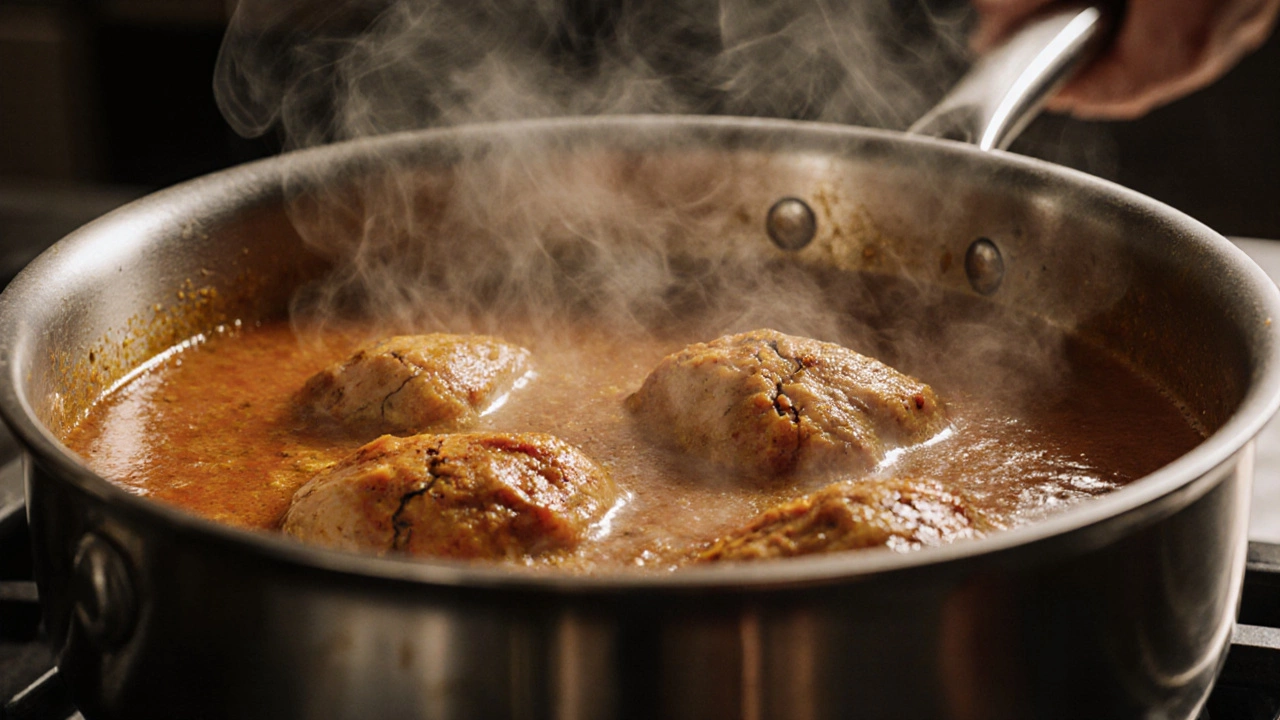
When you cook curry, a rich, spiced stew from Indian cuisine that can be made with meat, vegetables, or legumes. It's not just about throwing spices into a pot—it's about layering flavor, timing, and heat in a way that makes every bite feel intentional. Many people think curry is one thing, but it’s really a family of dishes, each with its own rhythm. In Indian homes, curry isn’t a recipe—it’s a habit. It’s what you make when you want to use up leftover vegetables, stretch a bit of chicken, or turn a handful of spices into something warm and comforting.
Garam masala, a warm spice blend used to finish Indian curries, not cook them. Also known as hot spice mix, it’s the final touch that lifts a curry from good to unforgettable. But here’s the thing: if you add it too early, you lose its magic. It’s like adding fresh herbs at the end of a pasta sauce—too soon and the flavor vanishes. Then there’s curry vegetables, the produce that holds up to long simmering without turning to mush. Potatoes, cauliflower, chickpeas, eggplant—they’re the backbone. Add them at the wrong time and you get either crunchy chunks or mushy ruins. And don’t forget curry consistency, the balance between thick, creamy, and brothy. Too watery? It’s soup. Too thick? It’s paste. The right texture comes from how you use liquids—coconut milk, yogurt, tomato puree, or just water with a pinch of patience.
Most curry mistakes happen because people rush the oil. You don’t just dump oil in the pan and toss in the spices. You heat it until it shimmers, then add whole spices like cumin, mustard seeds, or fenugreek. Let them pop. That’s when the aroma wakes up. Then you add onions, slow and steady, until they’re golden, not burnt. That’s where flavor builds. After that, ginger-garlic paste goes in, followed by ground spices like turmeric and coriander. Each step has its moment. Skip one, and the whole dish feels off.
And yes, salt matters. Not just how much, but when. Add it too early and your vegetables turn rubbery. Add it too late and the curry tastes flat. The best cooks taste as they go—once after the spices bloom, once after the tomatoes break down, and once right before serving. That’s how you know it’s ready.
You’ll find all this in the posts below—real, tested advice from Indian kitchens. No fluff. No fancy terms. Just how to make your curry taste like it came from a home that’s been making it for generations. Whether you’re fixing a bland dish, trying to nail the perfect texture, or just wondering why your garam masala doesn’t smell like the one at your favorite restaurant, the answers are here.