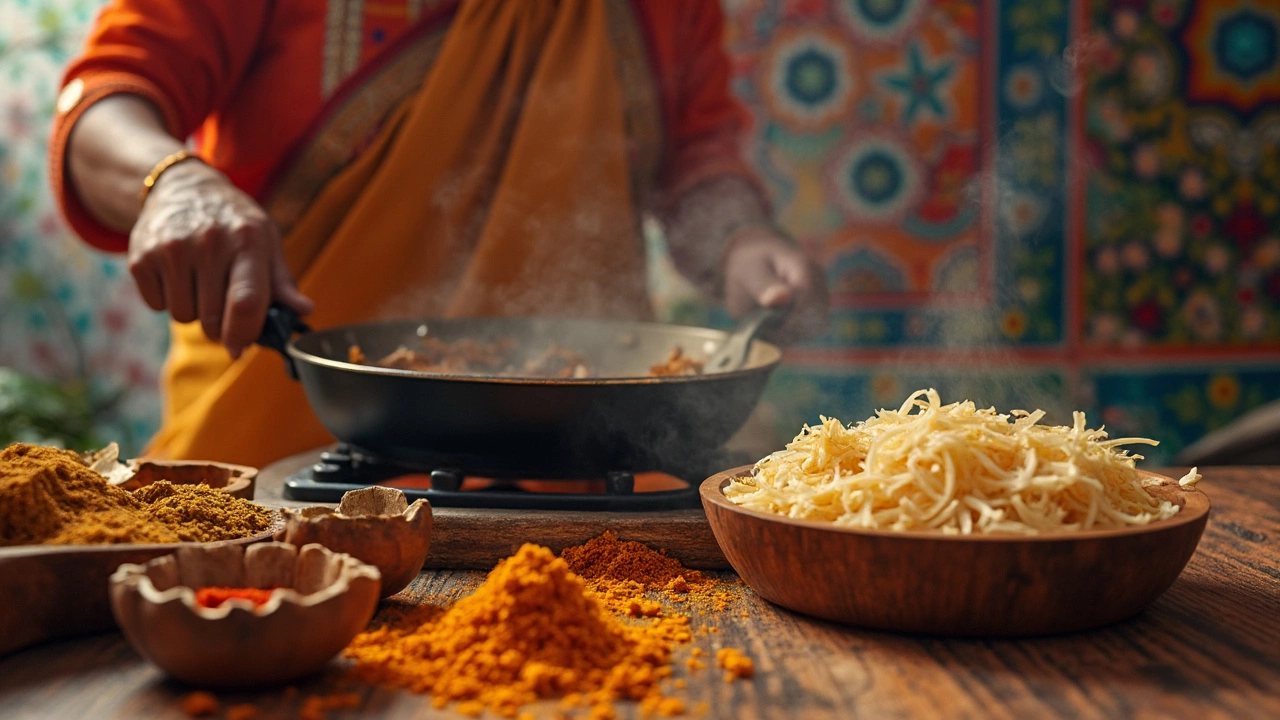
Curry Depth: How Indian Spices Build Flavor That Lasts
When you taste a real Indian curry, the flavor doesn’t just sit on your tongue—it unfolds. That’s curry depth, the layered, complex flavor built over time through spice blending, slow cooking, and ingredient harmony. It’s not about heat. It’s about balance. And it starts with how you treat your spices. Most people think curry is just curry. But the difference between a flat, one-note dish and one that makes you close your eyes? It’s all in how the spices are layered.
Turmeric, the golden root that gives curry its color and earthy backbone, isn’t just for looks. It’s the base note. Then there’s garam masala, a warm, aromatic blend added at the end to lock in fragrance. Get this wrong, and your curry tastes like dust. Get it right, and every bite has a story. You don’t just add spices—you awaken them. Toasting cumin seeds in hot oil. Blooming ground coriander with a splash of water. Letting onions caramelize until they melt into the sauce. These aren’t steps. They’re rituals.
Curry depth doesn’t come from one magic ingredient. It comes from timing. Adding chili too early burns it. Adding coconut milk too late leaves it thin. The best curries use liquids like yogurt, tomato puree, or broth to carry the spice through the meat or vegetables, not just drown it. That’s why curry consistency, the perfect thickness that clings to the spoon without being gloopy matters just as much as the spice mix.
You’ll find posts here that break down exactly which spices to skip in garam masala, why turmeric is more than a colorant, and how to fix a curry that’s too thin or too bitter. No fluff. No theory. Just what works in Indian kitchens—from Delhi street stalls to home stoves in Punjab. Whether you’re making chicken curry with the right veggies or trying to nail the perfect dal, curry depth is your goal. And below, you’ll find real, tested ways to get there.