Dal: The Heart of Indian Home Cooking and Why It Matters
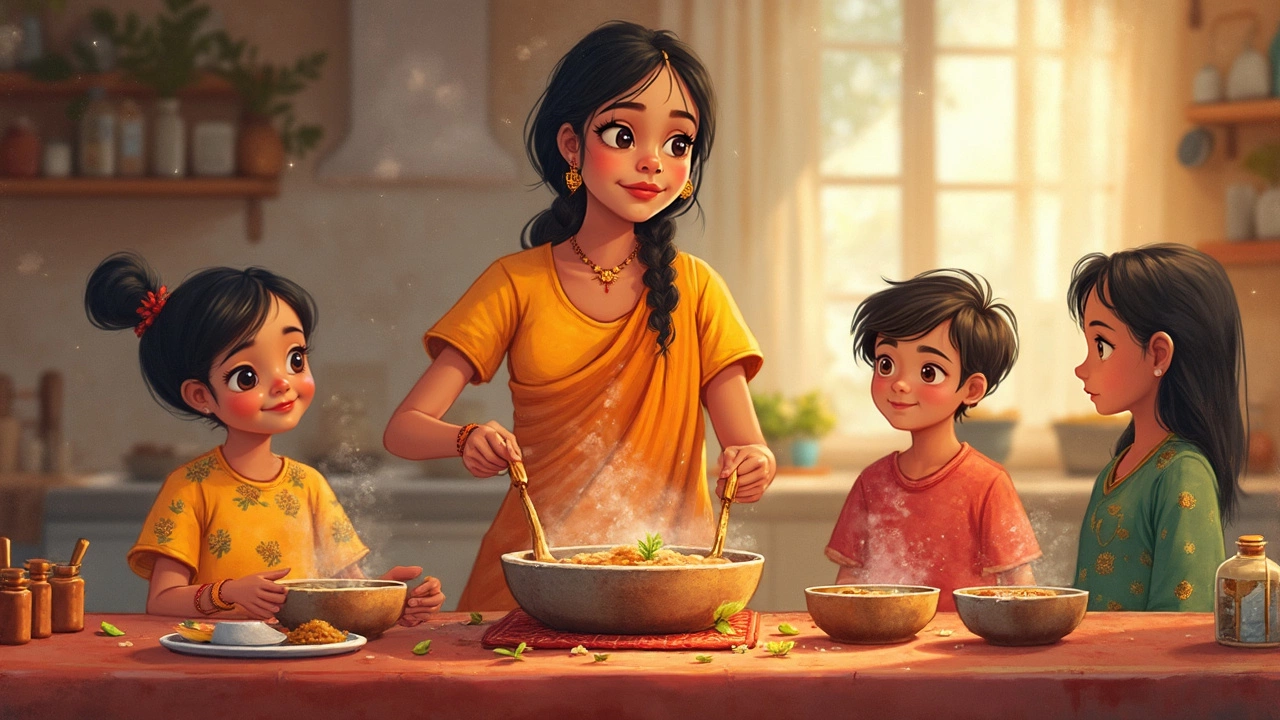
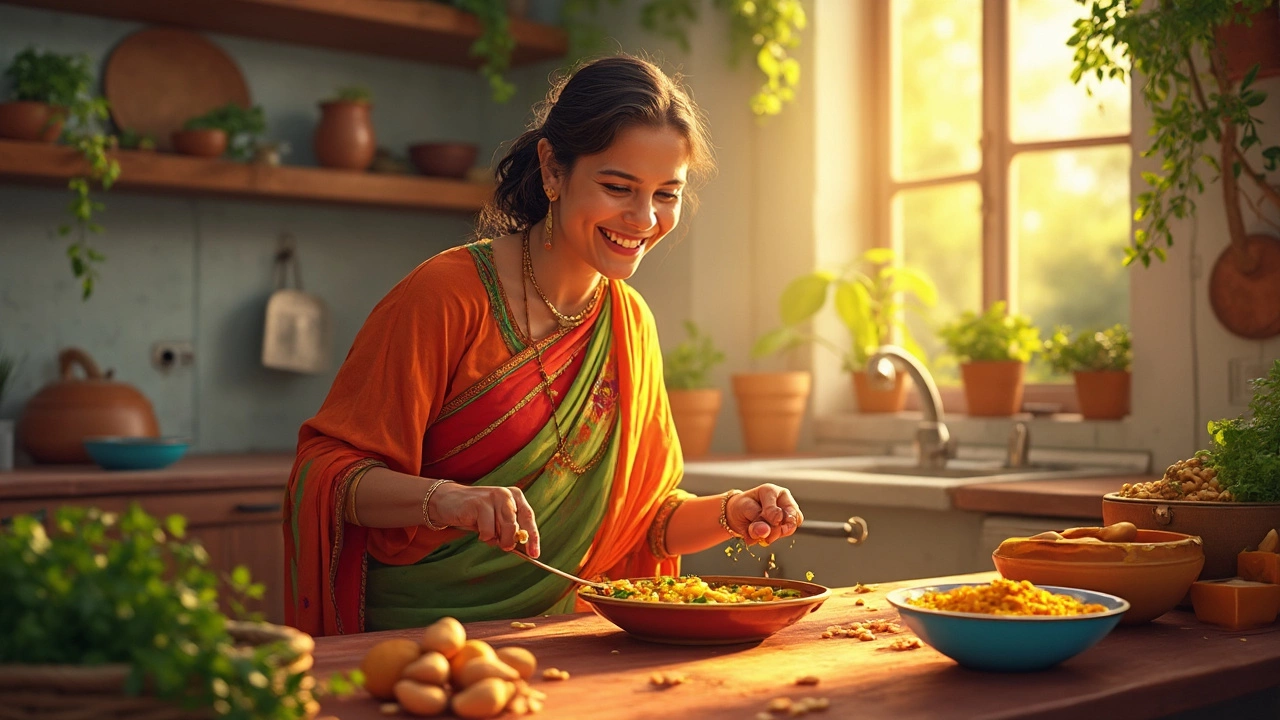
When you think of dal, a simple, slow-cooked lentil dish that forms the backbone of daily meals across India. Also known as dhal, it’s the quiet hero of every Indian kitchen—no fancy ingredients, no complex steps, just patience, heat, and a pinch of cumin. This isn’t just food. It’s the reason your grandma made it every day, the reason your neighbor brought you a bowl when you were sick, and the reason even the busiest families eat something warm and whole at least once a day.
Dal isn’t one thing—it’s dozens. There’s urad dal, the creamy, rich black lentil that makes idli and dosa batter rise, and toor dal, the yellow lentil that turns into comforting sambar. Then there’s masoor dal, the quick-cooking red lentil that’s perfect for weeknights. Each type has its own texture, flavor, and role. And every single one gets its soul from the tempering—mustard seeds popping in hot oil, garlic sizzling, dried chilies crackling. That’s the magic no recipe can fully capture.
What makes dal powerful isn’t just taste—it’s health. Turmeric, often stirred in while cooking, turns dal into a natural anti-inflammatory boost. Lentils are packed with plant-based protein and fiber, making them perfect for vegetarians, athletes, or anyone trying to eat well without meat. And here’s the truth: most Indian families don’t eat dal with rice just because it’s traditional. They do it because it’s the most balanced, filling, and affordable meal on the table.
You’ll find dal in every corner of India—from the smoky dal makhani of Delhi to the coconut-infused parippu of Kerala. It’s served with roti, rice, or even as a side to pizza with an Indian twist, like the ones on this site. It’s the dish that survives wars, economic shifts, and food trends because it doesn’t need to be trendy—it just needs to be made with care.
What you’ll find below isn’t just a list of posts. It’s a collection of real stories, fixes, and secrets about dal—from how to make it creamy without cream, to why your dal turns bitter, to the exact ratio of lentils to water that works every time. You’ll learn how turmeric turns dal into medicine, how urad dal connects to dosa batter, and why some people swear by cooking it in clay pots. These aren’t theories. They’re what people actually do in their kitchens, day after day.