Jul, 19 2025, 0 Comments
Mild Indian Dishes: Flavorsome Low-Spice Recipes Even Kids Will Love
Curious about Indian food that isn’t too spicy? Find out which mild Indian dishes anyone can enjoy and why they’re packed with flavor, not heat.
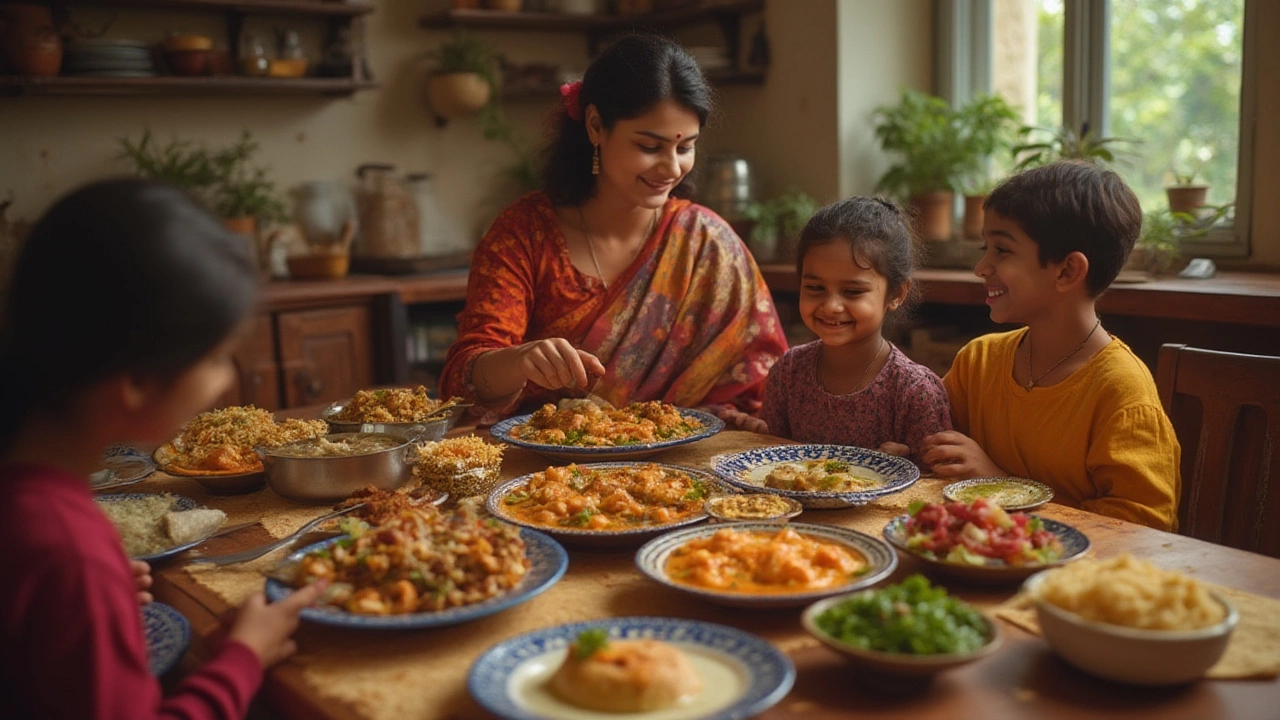
Read MoreWhen you think of easy mild curry, a gently spiced, comforting Indian dish made with aromatic spices and slow-cooked ingredients. It’s not about heat—it’s about depth. Many assume Indian curry means burning tongues and intense spice, but that’s not true for most homes. In kitchens across India, mild curry is the daily staple—cooked for kids, elders, and anyone who wants flavor without the burn. It’s the kind of dish that smells like home, not a restaurant.
Indian spices like cumin, coriander, turmeric, and cardamom don’t need chili to shine. They build layers—earthy, sweet, warm—without overwhelming. A good easy mild curry uses tomato, onion, and garlic as its base, then lets those spices breathe. No fancy tools. No long marinating. Just a pot, some oil, and patience. You don’t need to be a chef. You just need to know when to add the cumin seeds and when to stir.
What makes this style different from restaurant curries? It’s the balance. No heavy cream. No sugar to mask bitterness. No masked ingredients. Just clean, honest flavors that come from real cooking. Think of it like a slow hug for your taste buds. It’s the curry you make when you’re tired, when you need comfort, or when you just want something that tastes like it was made with care—not speed.
And it’s not just about the spices. The choice of protein or veggie matters too. Paneer, chickpeas, potatoes, or chicken—all work beautifully in a mild version. You can even make it with leftover veggies from last night’s dinner. That’s the beauty of it. It adapts. It forgives. It’s flexible enough for weeknights but rich enough for guests.
You’ll find recipes here that skip the chili powder, use yogurt instead of cream, and rely on toasted spices for aroma. You’ll learn why turmeric isn’t just for color—it’s the quiet hero that ties everything together. You’ll see how a pinch of amchur (dry mango powder) adds tang without vinegar. And you’ll discover why some cooks add a teaspoon of sugar—not to sweeten, but to round out the edges.
This collection doesn’t push boundaries. It celebrates the quiet, everyday magic of Indian home cooking. These are the curries your aunt makes, the ones served with plain rice or warm roti, the ones that don’t need a name because everyone just calls it "curry." And if you’ve ever thought Indian food is too spicy, too complicated, or too foreign—this is your entry point.
Jul, 19 2025, 0 Comments
Curious about Indian food that isn’t too spicy? Find out which mild Indian dishes anyone can enjoy and why they’re packed with flavor, not heat.
Read More