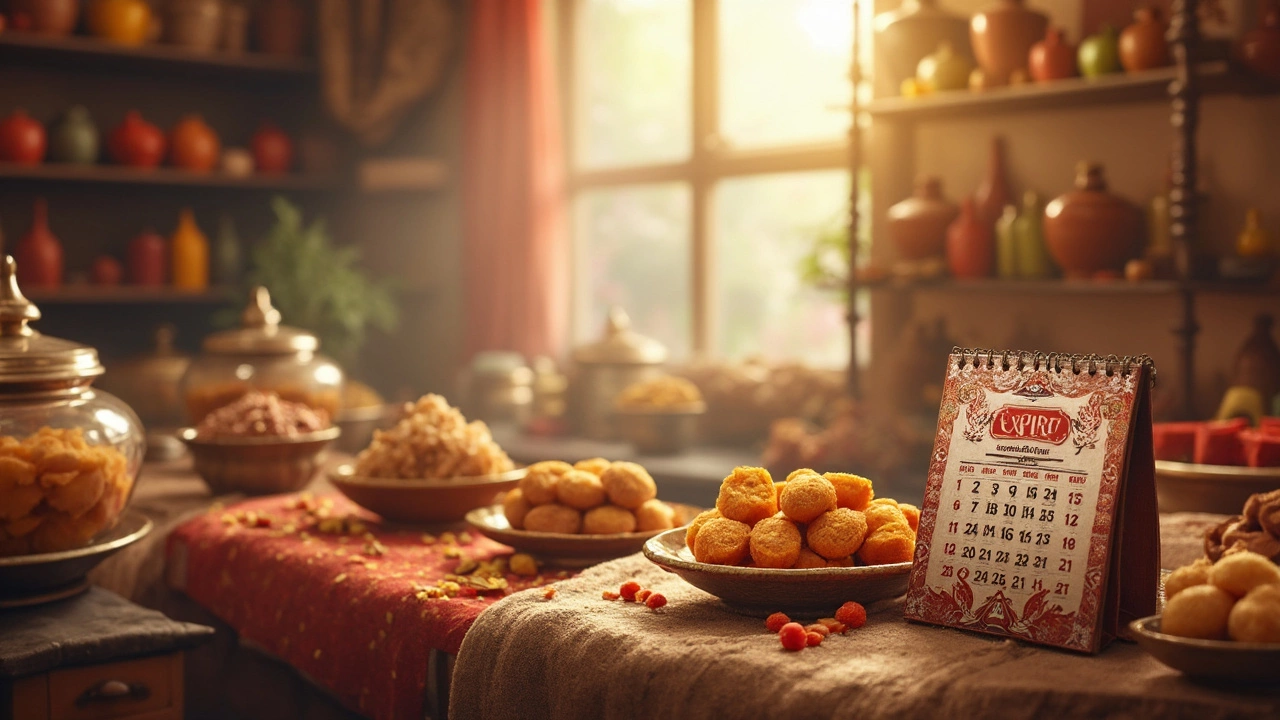
Expiration: What You Need to Know About Food Freshness in Indian Cooking
When you buy expiration, the date after which a food item is no longer considered safe or at its best quality, it’s not just a sticker on a packet—it’s a signal for how your flavors will behave in the kitchen. In Indian cooking, where spices, dairy, and fresh herbs make or break a dish, knowing what’s still good matters more than you think. A stale cumin seed won’t bloom right. Old yogurt can turn a curry sour instead of creamy. And that jar of garam masala you bought two years ago? It might look fine, but it’s lost its punch.
Indian kitchens rely on spice shelf life, how long whole and ground spices retain their aroma, color, and heat. Turmeric fades. Coriander powder turns flat. Red chili powder loses its bite. These aren’t just minor losses—they change the entire balance of a dish. You don’t need a lab to check. Smell it. If it doesn’t make your nose twitch, it’s probably dead. Store spices in dark, cool places—not above the stove. Whole spices last longer than ground ones. And never, ever buy huge bags of powder unless you use them fast.
perishable ingredients, foods like paneer, yogurt, fresh chilies, and herbs that spoil quickly are the heart of Indian meals. But they’re also the first to go bad. Paneer doesn’t last a week in the fridge. Fresh coriander wilts in days. Even coconut milk can separate and sour if left too long. The trick? Buy small amounts. Use what you can. Freeze what you can’t. Leftover yogurt? Turn it into raita. Extra paneer? Make a quick stir-fry. Don’t wait for mold to appear—trust your senses. A weird smell, slimy texture, or off taste means it’s time to toss it. No recipe is worth getting sick over.
And here’s the thing: Indian food doesn’t need fancy storage. It needs attention. Your kitchen isn’t a warehouse. It’s a working space where freshness equals flavor. That’s why so many home cooks in India buy spices weekly from local shops. That’s why moms make chutneys daily. That’s why dosa batter is made fresh, not stored for days. It’s not tradition for show—it’s survival. Good flavor comes from good ingredients. And good ingredients don’t sit around.
You’ll find posts here that dig into what happens when things go wrong—like why your roti turns hard because the yogurt was old, or how a stale spice ruined an entire batch of biryani. You’ll learn how to tell if your turmeric is still powerful, how long paneer really lasts, and why that jar of tamarind paste from last Diwali might be hiding more than just sourness. These aren’t theoretical tips. They’re lessons from real kitchens where wasting food isn’t just expensive—it’s disrespectful to the craft.
Expiration isn’t about fear. It’s about awareness. Once you start paying attention, you’ll notice how much better your food tastes when everything’s fresh. You’ll stop guessing. You’ll start knowing. And that’s the real secret behind the best Indian meals—not the recipe, but the respect for what goes into it.