Garam Masala: The Spice Blend That Defines Indian Flavors
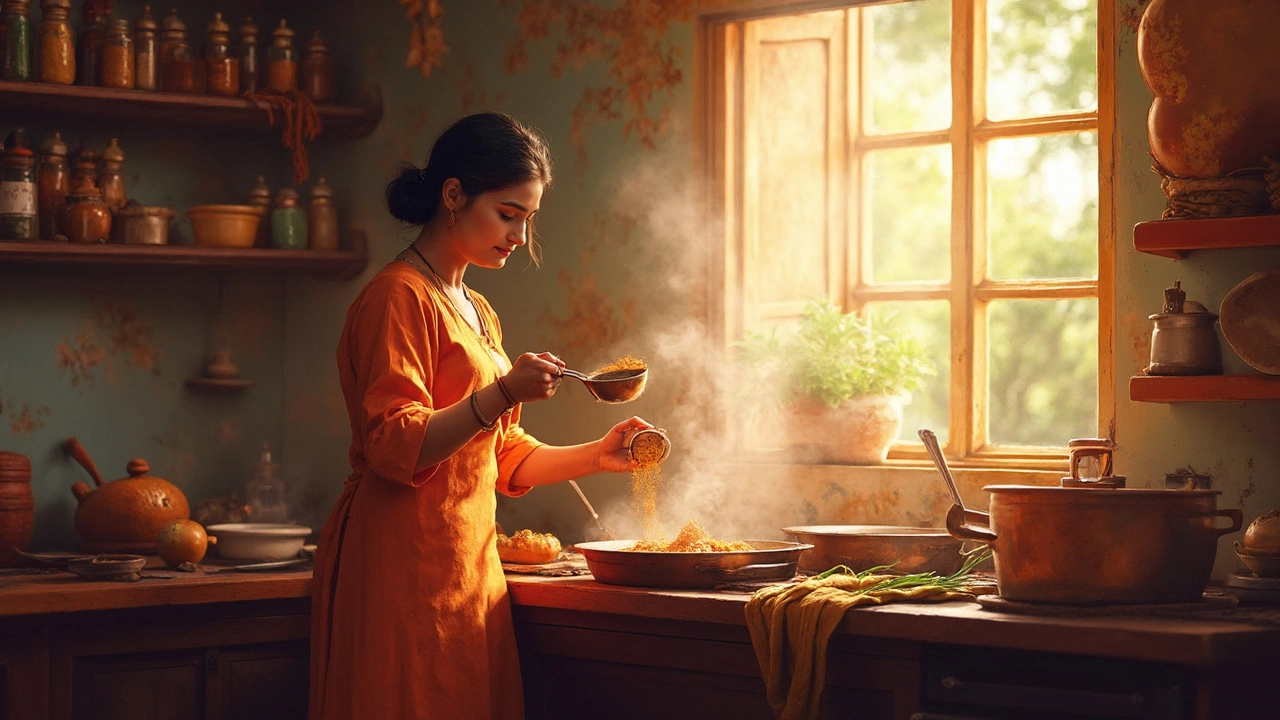
When you think of Indian food, one spice blend stands out—not because it’s loud, but because it’s garam masala. This isn’t just a mix of powders; it’s the quiet backbone of hundreds of dishes, from butter chicken to paneer tikka. garam masala, a warm, aromatic spice blend used across India to finish curries, biryanis, and stews. It’s not the same as curry powder, and it’s not meant to be cooked early like turmeric or cumin. Instead, it’s added at the end, letting its fragrance bloom without burning. The name itself means "hot mixture," but "hot" here refers to warming properties, not spice level. It’s the kind of blend your grandma keeps in a tin, and if you’ve ever smelled it fresh from the grinder, you know why it’s unforgettable.
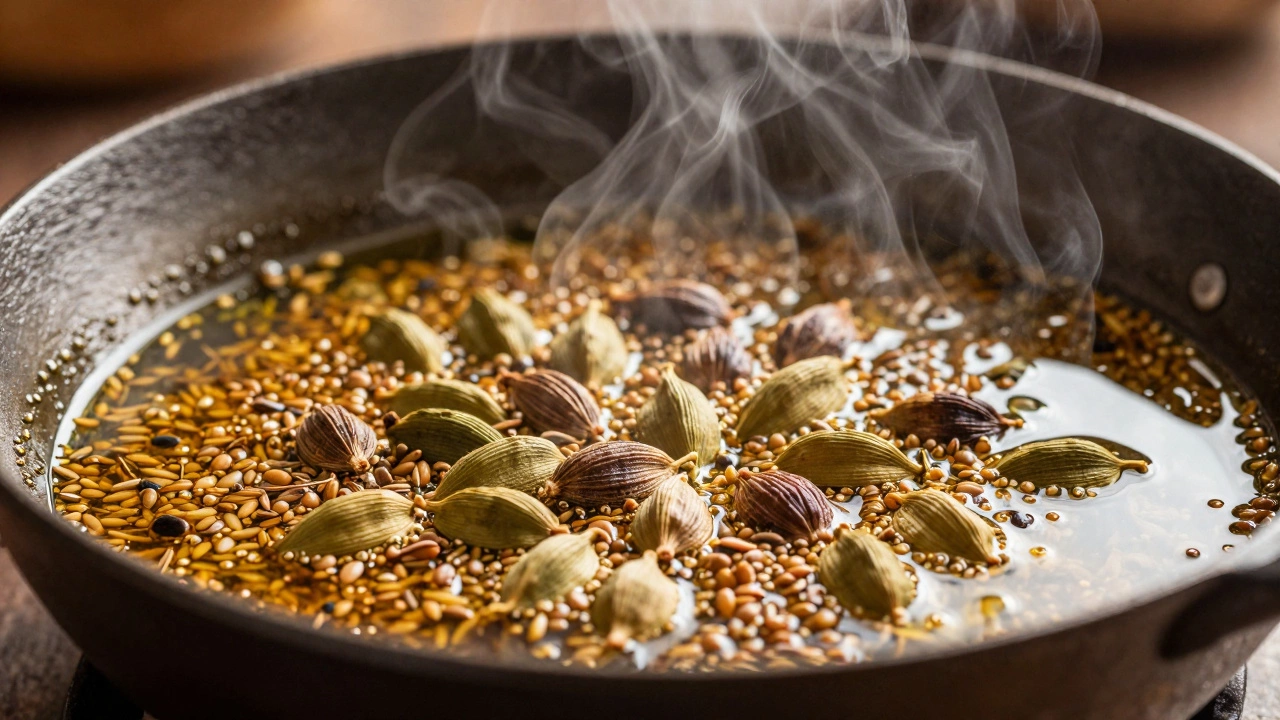
cumin, a foundational spice in Indian cooking, often toasted and ground into garam masala for earthy depth, and cardamom, a sweet, floral seed that gives garam masala its signature lift, are almost always in the mix. But here’s the twist: turmeric, a bright yellow root often used in Indian curries, is rarely part of it. Same with chili powder and fenugreek—those have their own roles, but they’re not in the garam masala blend. Getting this right matters. Add turmeric to your garam masala, and you’re not just wrong—you’re changing the flavor profile of your biryani before it even starts.
People in Mumbai might use more black cardamom. In Lucknow, they’ll add star anise. In rural Punjab, cinnamon might be doubled. There’s no single recipe, which is why the best garam masala is the one you make yourself. Store-bought blends often sit on shelves for months, losing their punch. Freshly ground? That’s when the cloves, peppercorns, and nutmeg wake up and dance together. You don’t need fancy tools—a coffee grinder you don’t use for coffee will do. Roast the whole spices, cool them, grind them, and store them in a dark jar. That’s it.
And that’s what you’ll find in the posts below: real, practical takes on garam masala—not just what’s in it, but what’s left out, how it works in biryani, how it changes when you tweak the ratios, and why some Indian cooks swear by it while others skip it entirely. You’ll see how it fits into everyday cooking, not just restaurant dishes. Whether you’re making dal, chicken curry, or even pizza with an Indian twist, this blend is the secret handshake of flavor. No fluff. No theory. Just what works, and why.