Garam Masala Spices: The Heart of Indian Flavor in Pizza and Beyond
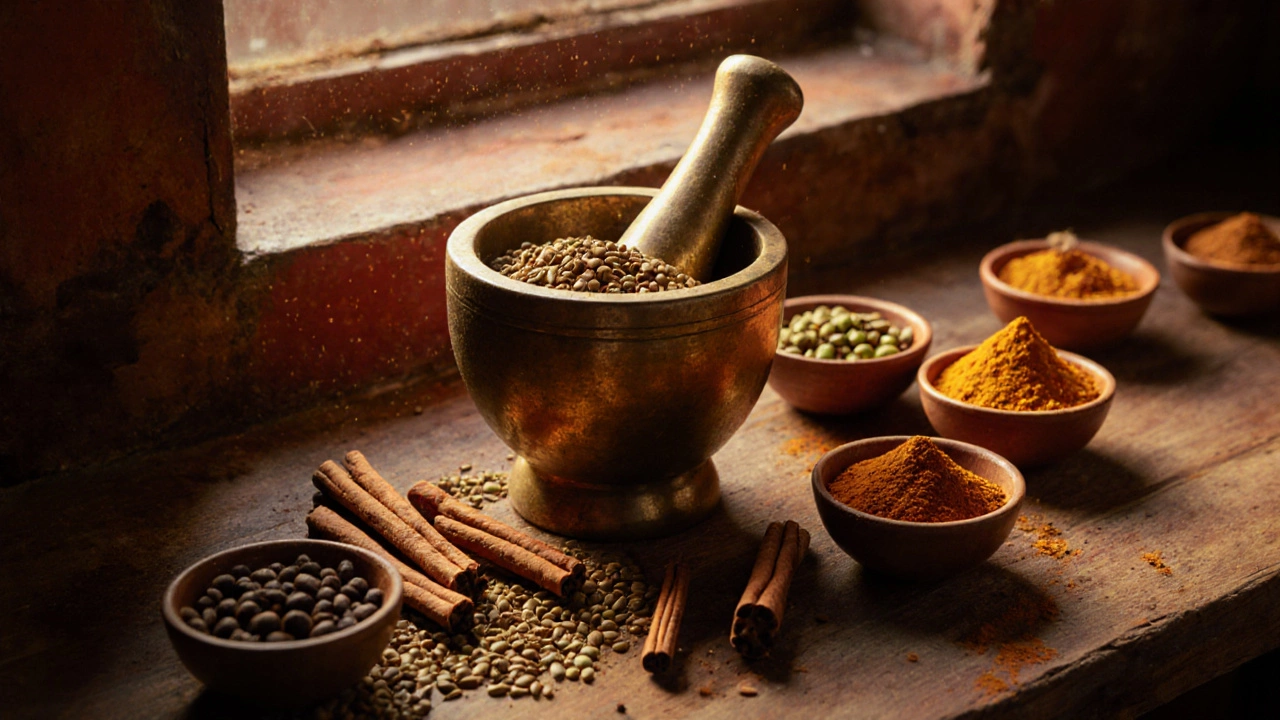
When you think of garam masala spices, a warm, fragrant blend of toasted whole spices ground into a fine powder, essential in Indian cooking. Also known as hot spice mix, it’s not just a seasoning—it’s the flavor backbone of countless dishes from curries to biryanis, and now, even pizza. Unlike single spices like cumin or turmeric, garam masala is a harmony—each component lifts the others, creating something deeper than the sum of its parts.
This blend isn’t fixed. In Punjab, it might lean on cinnamon and cardamom. In South India, it could include star anise or dried chilies. But no matter where it’s made, it always carries warmth—literally. The word garam means hot, not in spice level, but in energy. It’s the kind of heat that settles into your bones, not the kind that burns your tongue. That’s why it works so well on pizza: it doesn’t shout, it whispers richness. You’ll find it in our recipes paired with paneer, roasted cauliflower, or even spiced chicken, turning a simple pie into something that feels like home.
What makes garam masala so powerful is how it connects to other Indian staples. It’s the cousin of turmeric, the golden root with anti-inflammatory power, often found in dal and curries, and the sibling of cumin, the earthy seed that anchors Indian snacks and breads. While turmeric gives color and calm, and cumin gives depth, garam masala brings the finish—the final flourish that says, "This is Indian." It’s what turns a plain tomato sauce into something that lingers on your palate, and why it’s become a secret weapon in fusion pizzas across India.
You won’t find garam masala in a classic Margherita, but you’ll find it in the spiced tomato base of our Tandoori Pizza, or dusted over a veggie pie with roasted bell peppers and paneer. It’s the reason our recipes don’t just taste different—they taste alive. And if you’ve ever wondered why your homemade Indian dishes feel flat, it’s probably because you’re adding spices too early, or skipping the toast. Whole spices, lightly fried in oil before grinding, unlock their oils. That’s the trick. Store-bought garam masala loses its punch fast. Making your own takes five minutes, and it changes everything.
Below, you’ll find posts that show exactly how this blend works—in pizza, in chutneys, in curries, even in snacks. Some explain how to make it from scratch. Others reveal why it pairs better with yogurt than with cream. One even tells you how to use it when you’re out of garlic. This isn’t theory. These are real kitchen fixes, tested in homes across India. Whether you’re new to Indian spices or just tired of the same old pizza toppings, what’s here will make your next meal unforgettable.