Hamburgers in India: How Local Flavors Are Rewriting the Classic
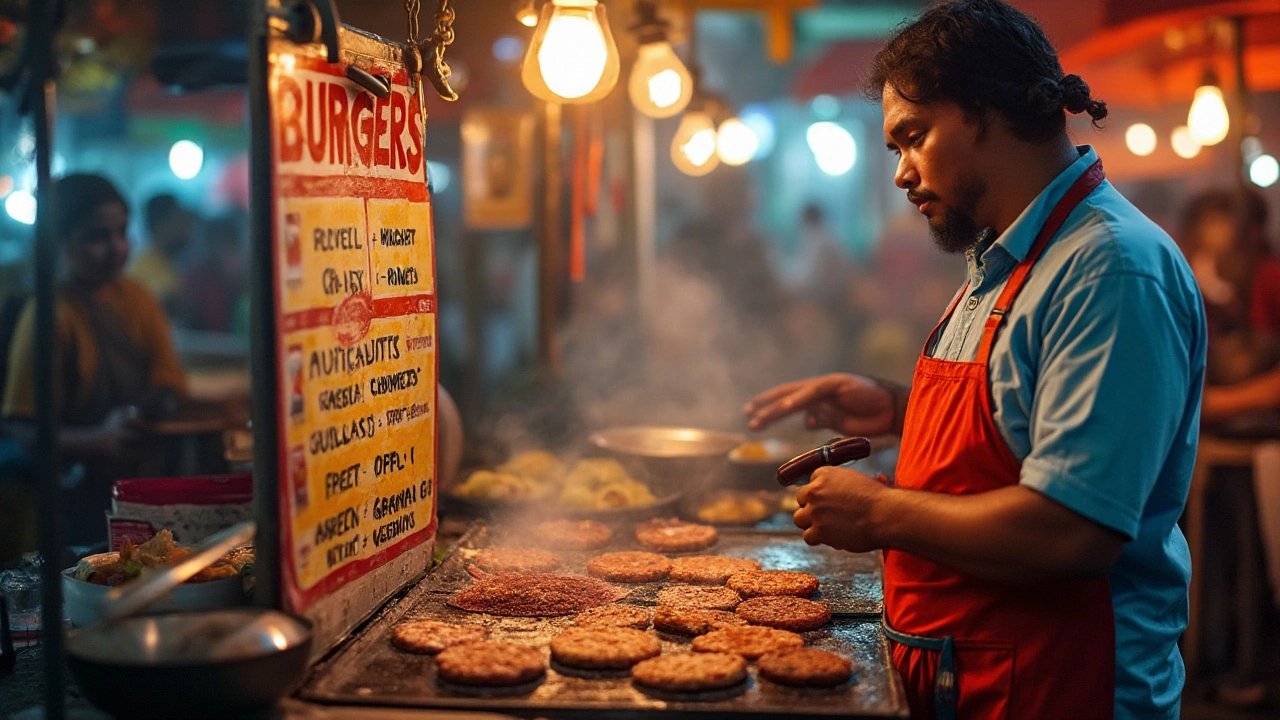
When you think of a hamburger, a classic sandwich with a grilled beef patty, bun, and basic toppings. Also known as burger, it’s a global staple—but in India, it’s no longer just cheese and lettuce. Here, the burger doesn’t follow the playbook. It rewrites it. You’ll find patties spiced with garam masala, buns brushed with garlic butter, and toppings like mint chutney, pickled onions, and even paneer instead of beef. This isn’t fusion for show—it’s what people actually crave on the streets of Mumbai, Delhi, and Bangalore.
What makes Indian burgers, hamburgers adapted with local ingredients, spices, and cooking styles work isn’t just novelty. It’s flavor depth. Think about how street food burgers, quick, affordable, and boldly spiced burger variants sold at roadside stalls and food courts use the same logic as vada pav or pani puri: bold, bright, and built to stand out. A burger with tandoori chicken, mint-coriander chutney, and a sprinkle of roasted cumin isn’t trying to be American. It’s trying to be Indian. And that’s why it sells. Even chains like Burger King and McDonald’s in India offer paneer burgers, masala fries, and chutney-dipped patties because they know the local palate doesn’t want imitation—it wants innovation.
The real shift? It’s not about replacing the burger. It’s about making it feel like home. You don’t need to travel far to find a burger with a spicy potato patty, crushed peanuts, and a squeeze of lime. These aren’t gimmicks. They’re responses to what people already eat, love, and trust. Whether it’s a vegan burger made with chickpea flour or one topped with achaar, the common thread is authenticity—not imitation. The posts below show you exactly how this transformation happened, one bite at a time. You’ll find recipes, stories, and tricks from home cooks who turned a Western fast food item into something that belongs on every Indian table.