Hindu Vegetarianism: What It Means, What You Can Eat, and How It Shapes Indian Food
When people talk about Hindu vegetarianism, a dietary and spiritual practice rooted in non-violence and purity, commonly followed by millions across India. It’s not just about avoiding meat—it’s about choosing foods that align with dharma, ahimsa, and bodily cleanliness. Many assume it means eating only salads and lentils, but the reality is far richer. This way of eating includes creamy paneer curries, golden ghee-drizzled rotis, spiced lentils, and sweet rice dishes—all made without animal flesh, yet deeply satisfying.
Paneer, a fresh, unaged cheese made by curdling milk with lemon or vinegar, is a cornerstone of Hindu vegetarian cooking. It’s the protein backbone of dishes like paneer butter masala and paneer tikka, and it’s completely plant-based in origin, even if it comes from dairy. Then there’s ghee, clarified butter used in almost every traditional Indian kitchen, prized for its high smoke point and rich flavor. While some strict vegetarians avoid it because it’s animal-derived, most Hindu vegetarians accept it as a sacred, purified fat—not meat, not blood, just milk transformed. But here’s the catch: not all vegetarian food in India is truly vegetarian. Hidden ingredients like rennet in cheese, fish paste in some pickles, or even bone char in sugar can slip in. That’s why knowing what to ask for matters just as much as what’s on the menu.
Indian vegetarian meals don’t just fill you up—they tell a story. The spices, the cooking methods, even the order of eating—each choice reflects centuries of belief. You’ll find that the same turmeric that gives your dal its color also fights inflammation. The same yogurt that cools your palate in a spicy curry is also a probiotic powerhouse. And the same dosa batter that ferments overnight is a miracle of biology, turned into crispy, fluffy perfection by tradition and time.
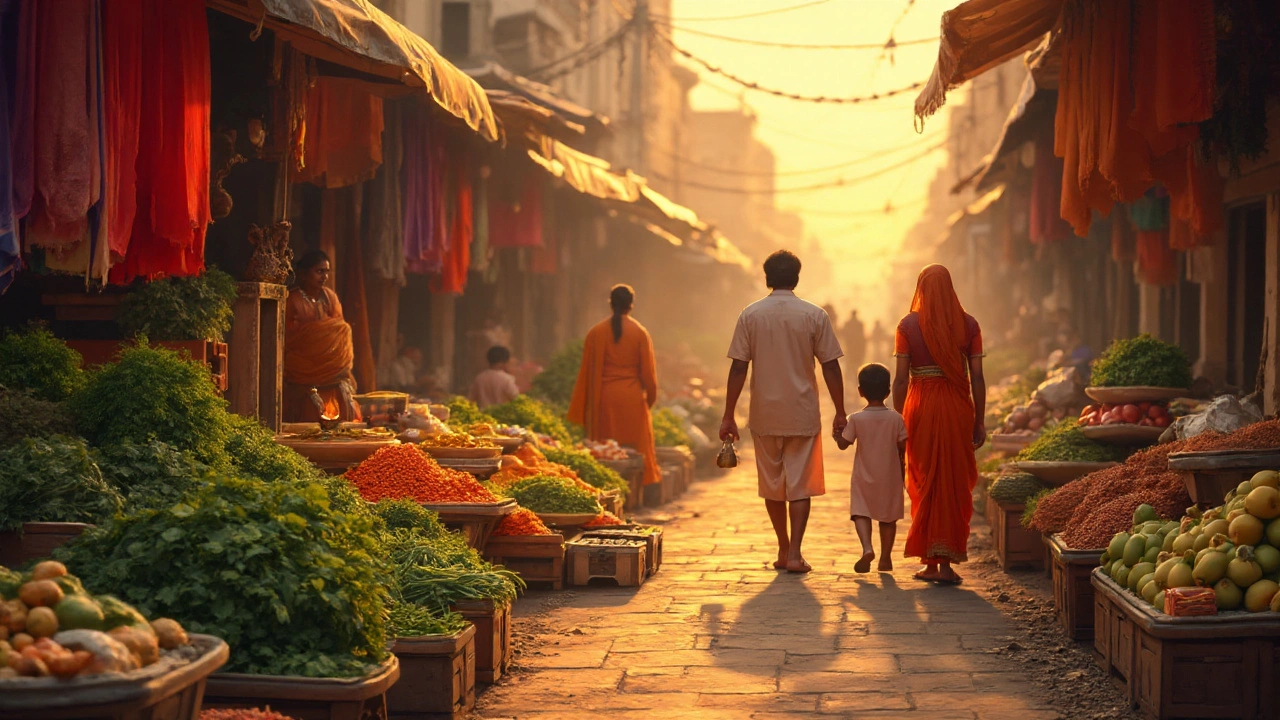
What you’ll find in the posts below isn’t just recipes. It’s a map of how Hindu vegetarianism lives in kitchens, markets, and street corners across India. From the hidden non-vegetarian ingredients you need to watch out for, to the exact ratios that make your dosa perfect, to why chutney tastes better cold or warm depending on the type—every post cuts through the noise and gives you real, usable knowledge. You’ll learn what’s truly vegetarian, what’s commonly misunderstood, and how to eat with confidence—whether you’re cooking at home or ordering on the street.