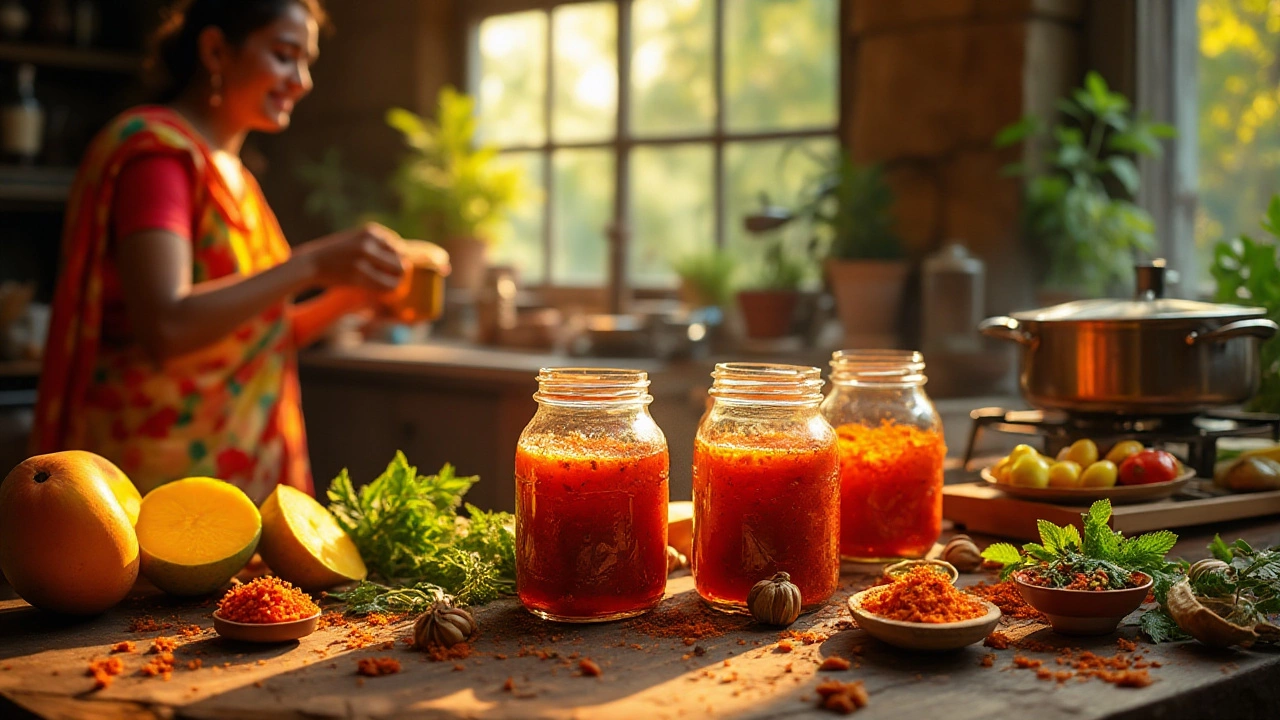
Homemade Chutney: Authentic Indian Flavors Made Simple
When you think of homemade chutney, a vibrant, spiced condiment made from fresh or cooked fruits, vegetables, and herbs, often used to balance meals in Indian cuisine. Also known as chutney, it’s not just a side—it’s the flavor anchor that turns a simple plate into something unforgettable. Unlike store-bought versions that taste like sugar and vinegar, real homemade chutney bursts with texture, heat, and depth. It’s the difference between a flat note and a full symphony in your mouth.
What makes Indian chutney special isn’t just the ingredients—it’s how it’s made. Fresh cilantro and mint chutneys stay bright and cool, perfect for dipping samosas or topping pizza. Cooked tamarind or mango chutneys, on the other hand, deepen in flavor when warmed, clinging to kebabs or melting into dal. chutney temperature, whether served cold or warm, changes how the spices open up and how the texture interacts with food. And then there’s English chutney, a British colonial invention—slow-cooked with apples, onions, and vinegar, meant for cheese boards, not biryani. It’s sweet, dense, and totally different from the fiery, fresh versions you’ll find in Mumbai or Delhi. The real question isn’t just what’s in it, but when and how you use it.
Homemade chutney doesn’t need fancy tools. A mortar and pestle, a blender, or even a fork will do. You don’t need to buy exotic spices—just fresh garlic, green chilies, cumin, and a splash of lemon. The magic happens in the balance: sweet from jaggery, sour from tamarind, heat from red chilies, and earthiness from roasted cumin. It’s the kind of thing your grandma made without a recipe, just instinct. And that’s the beauty of it—it’s flexible. Make it spicy for pizza, mild for kids, or fruity to go with paneer tikka.
Some of the most popular chutneys in Indian kitchens aren’t even called chutney abroad. In the U.S., people call it relish—but that’s not the same thing. Relish is chopped, pickled, and mild. Indian chutney is alive—with texture, heat, and aroma that changes as it sits. And if you’ve ever wondered why your dosa tastes better with a dollop of coconut chutney, or why your chicken curry feels incomplete without a side of mint, it’s because chutney doesn’t just accompany food—it completes it.
What you’ll find in the posts below isn’t just recipes. It’s the stories behind the flavors: why some chutneys are served cold, others warm; how English chutney became a pantry staple overseas; and what Americans really mean when they say "relish." You’ll learn how to fix a bland chutney, how to store it without losing its punch, and which combinations work best with Indian-inspired pizzas. No fluff. Just real, usable knowledge from kitchens that know chutney isn’t an afterthought—it’s the soul of the meal.