India Street Food: Bold Flavors, Real Recipes, and Hidden Secrets
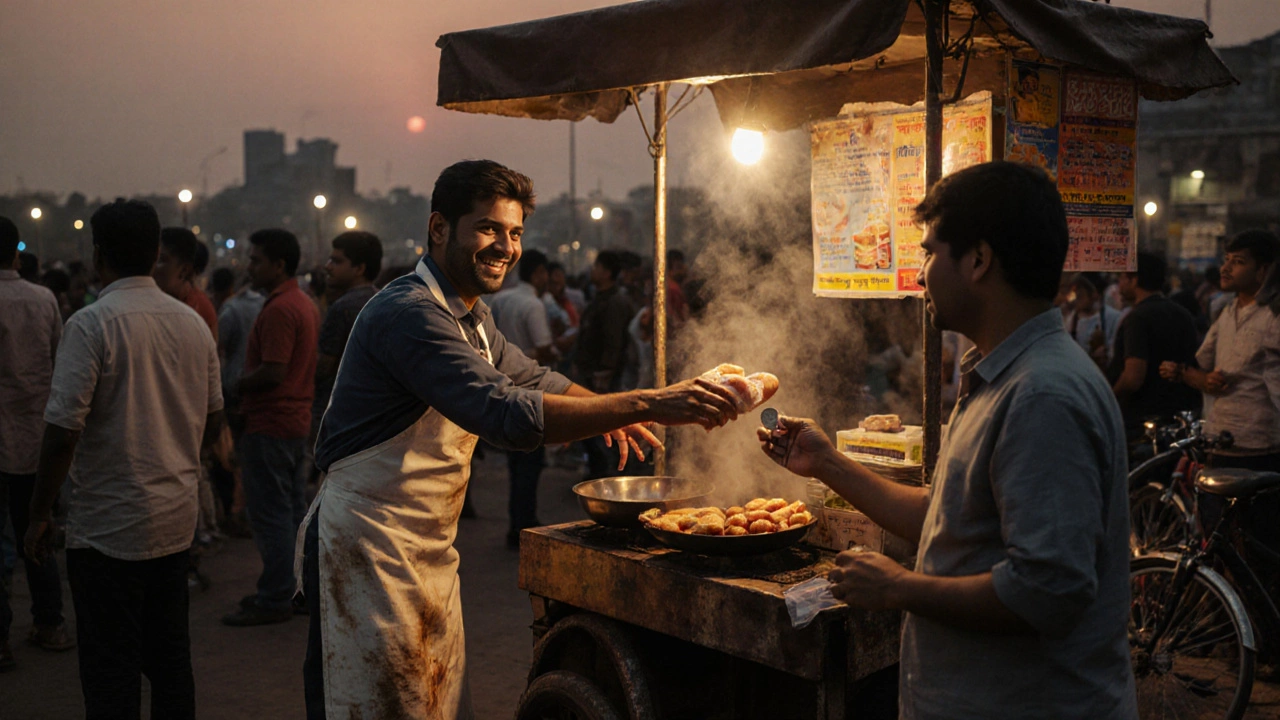
When you think of India street food, the chaotic, colorful, and deeply flavorful snacks sold on sidewalks, carts, and open-air stalls across India. Also known as Indian roadside eats, it’s not just food—it’s culture served on a banana leaf or in a paper cone. You’re not just eating. You’re tasting history, heat, and hustle all at once.
Think of dosa, a crispy fermented rice and lentil crepe that cracks under your teeth and soaks up chutney like a sponge. It’s everywhere—from Mumbai’s midnight stalls to Delhi’s morning crowds. Or chutney, the tangy, spicy, sweet, or herb-packed condiment that turns a simple snack into something unforgettable. Cold mint chutney on a samosa? Perfect. Warm tamarind chutney on a pani puri? Even better. And then there’s paan, the betel leaf-wrapped chew that ends meals, soothes nerves, and sometimes shocks newcomers with its mix of spice, sweetness, and subtle bitterness. It’s not just a digestif—it’s a ritual.
What ties all these together? Texture. Heat. Balance. Street food in India doesn’t rely on fancy ingredients. It relies on timing, technique, and tradition. A perfect pani puri has to burst with tangy water, crisp shell, and spicy potato—all in one bite. A veg biryani from a roadside vendor? The rice is just tender enough, the spices layered but not overwhelming, and the aroma hits you before you even sit down. These aren’t recipes you find in cookbooks. They’re passed down in whispers between vendors, perfected over decades, and eaten standing up.
And here’s the truth: most of what you think you know about Indian food comes from restaurants. Street food is different. It’s faster, fiercer, and often healthier. No heavy cream. No butter overload. Just spices, grains, legumes, and fresh herbs. You’ll find protein-packed paneer tikka, skewered and charred over open flame, served with raw onion and lemon. You’ll find moringa, a superfood leaf ground into snacks and sprinkled over chaat. You’ll even find breakfasts in New Delhi that make your oatmeal look boring.
What you’ll find in the posts below isn’t just a list of dishes. It’s a guide to understanding how these foods work—why dosa batter needs just the right amount of baking soda, why chutney tastes different cold versus warm, what spices actually go into garam masala (and which ones don’t), and how to avoid hidden non-vegetarian ingredients in dishes you thought were safe. These aren’t theory lessons. These are fixes, tips, and truths from kitchens that never close.
Whether you’ve eaten your way through Mumbai’s lanes or you’ve never tried a pani puri in your life, this collection gives you the real story behind the flavor. No tourist traps. No overcooked stereotypes. Just the food that keeps India awake, fed, and happy.