Indian Vegetarian Diet: Simple, Spicy, and Full of Life
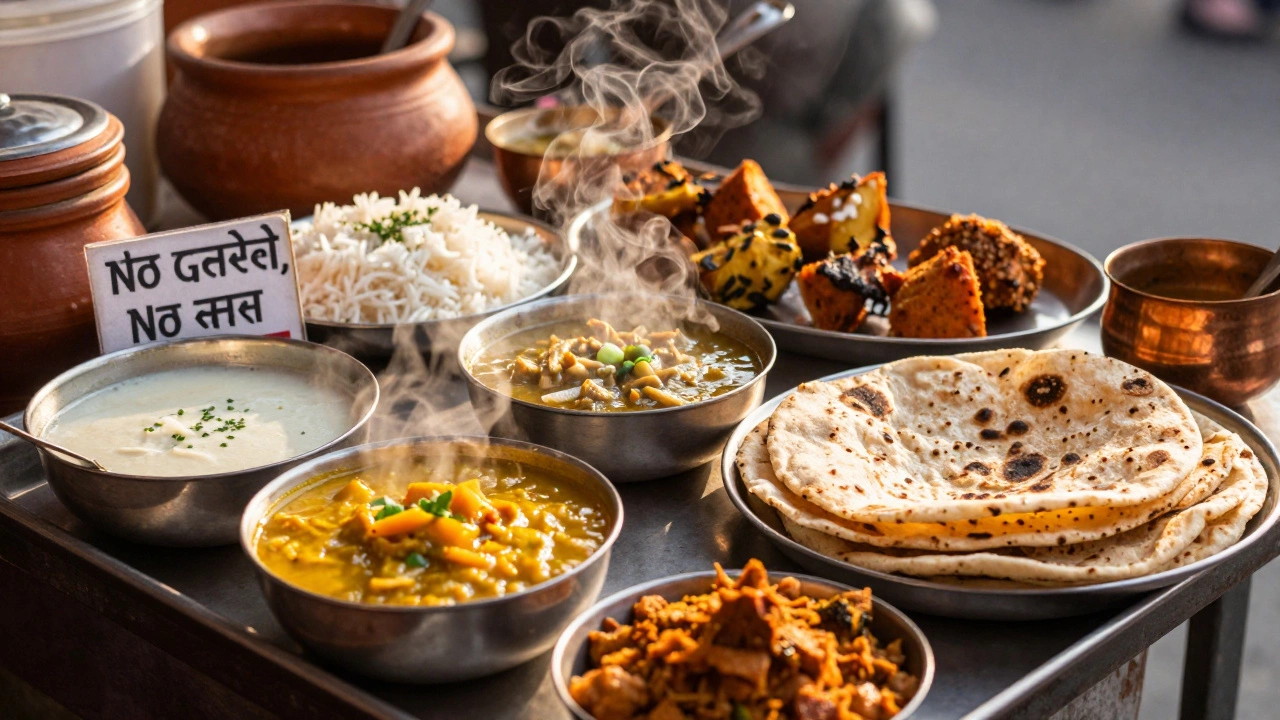
The Indian vegetarian diet, a way of eating rooted in centuries of culture, religion, and local agriculture, focuses on plant-based foods rich in spices, legumes, and seasonal vegetables. Also known as plant-based Indian cuisine, it’s not about restriction—it’s about abundance. You won’t find meat on the plate, but you’ll find dal, a daily staple made from lentils simmered with turmeric, cumin, and garlic, bubbling away in kitchens from Mumbai to Varanasi. It’s the protein backbone of millions of meals, served with rice, roti, or even pizza these days.
Then there’s paneer, a fresh, unaged cheese made by curdling milk with lemon juice or vinegar. It’s the hero of buttery curries, grilled skewers, and stuffed parathas. Unlike Western cheeses, paneer doesn’t melt—it holds its shape, soaking up spices like a flavor sponge. And it’s not just tasty; it’s packed with protein, making it a cornerstone of the Indian vegetarian diet for athletes, kids, and elders alike.
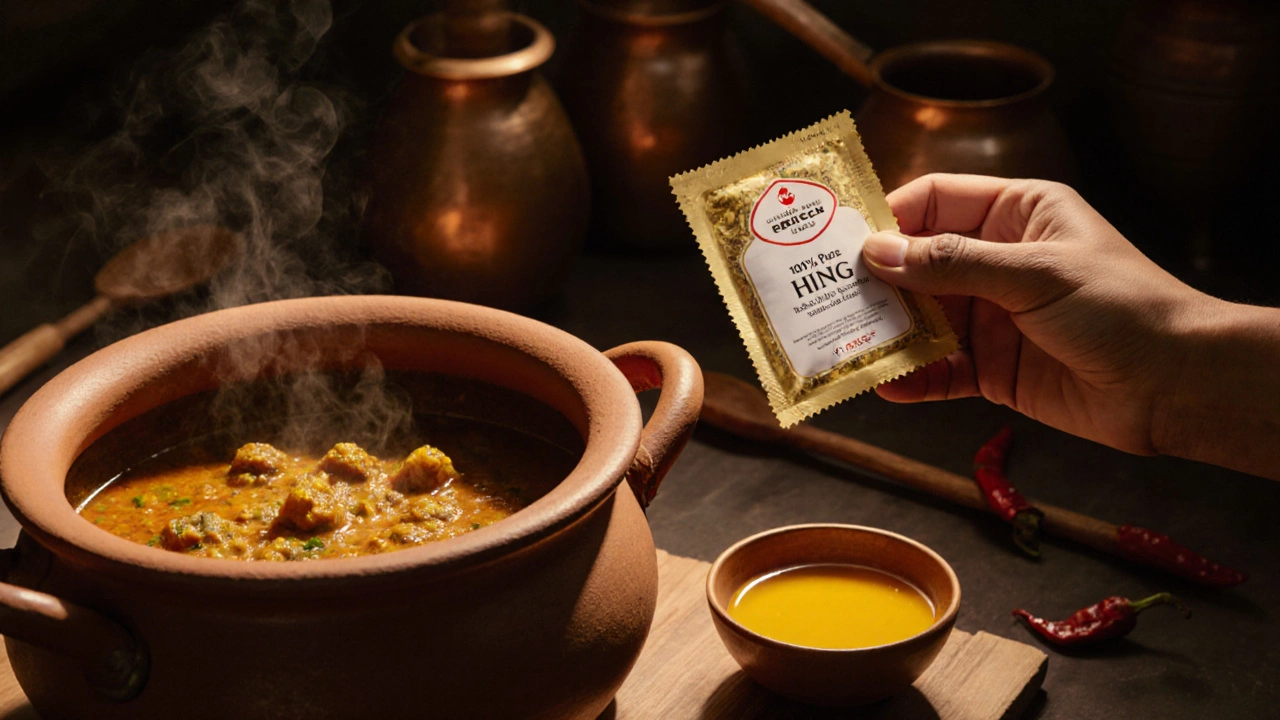
What makes this diet work isn’t just the ingredients—it’s the spices. Indian spices, like cumin, coriander, turmeric, and garam masala, aren’t just for taste. Turmeric fights inflammation, cumin aids digestion, and fenugreek helps balance blood sugar. These aren’t fancy add-ons—they’re daily medicine, cooked into everything from breakfast idli to evening chutney.
You won’t find processed junk here. The Indian vegetarian diet is built on whole foods: rice soaked overnight, lentils cooked slow, vegetables stir-fried with mustard seeds. It’s the kind of eating that keeps people active into their 80s, without pills or diets. Even when you see a street vendor handing out achaar or a plate of poha, you’re seeing the diet in action—simple, smart, and satisfying.
And yes, it’s flexible. You can eat it vegan by skipping dairy, or boost protein with soy nuggets or roasted chickpeas. It works for busy moms, college students, and grandmas who still grind their own spice mixes. The diet doesn’t ask you to give up flavor—it asks you to deepen it.
Below, you’ll find real recipes, honest tips, and surprising facts about how this diet shapes everyday meals. Whether you’re curious about how to make dal taste like it came from a Mumbai home, or why paneer is better than tofu in Indian cooking, you’ll find it here. No fluff. Just food that works.