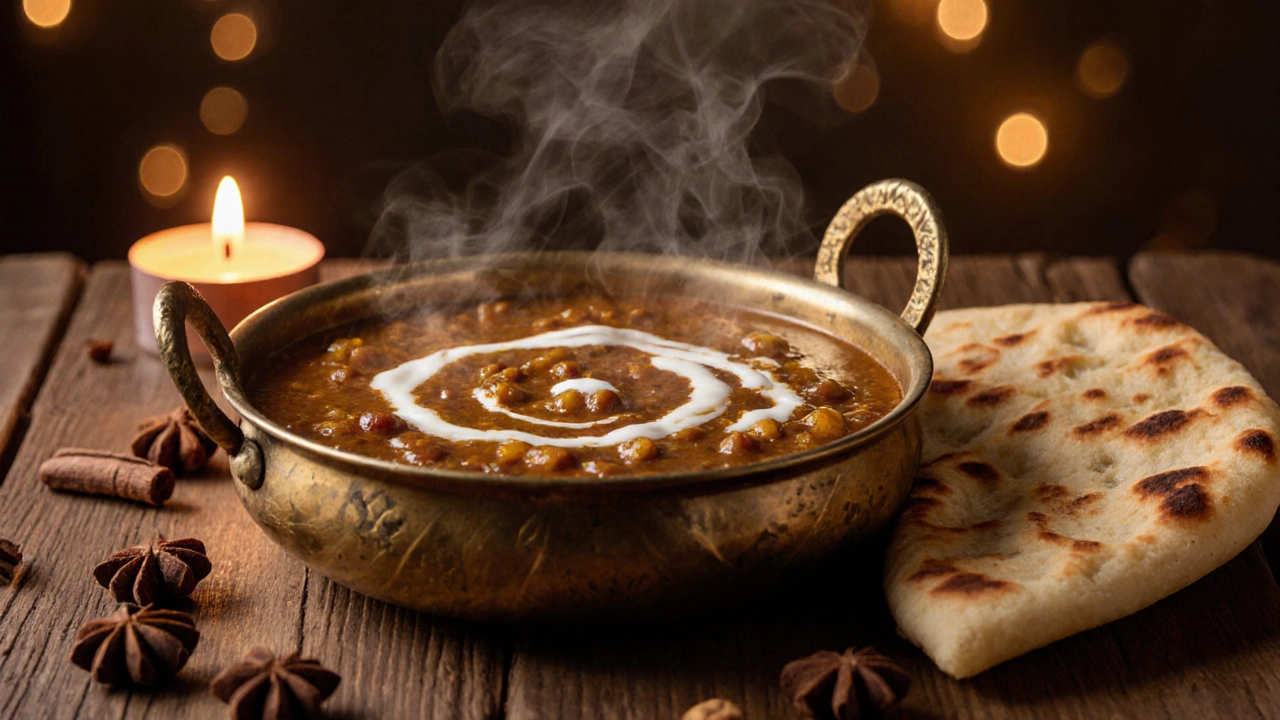
Indian Vegetarian Dishes: Simple, Spicy, and Full of Flavor
When you think of Indian vegetarian dishes, a wide range of plant-based meals rooted in centuries of tradition, often centered around lentils, vegetables, dairy, and spices. Also known as vegetarian Indian food, it's not just about what's left out—it's about what's put in: bold flavors, smart combinations, and meals that keep you full without meat. This isn’t just a diet. It’s a way of eating that feeds families, supports local farms, and turns simple ingredients like lentils and chickpeas into something unforgettable.
At the heart of these meals is paneer, a fresh, unaged Indian cheese that holds its shape when cooked and soaks up spices like a sponge. It’s the star in dishes like paneer tikka and palak paneer, and it’s what makes vegetarian curries feel rich and satisfying. Then there’s dosa, a crispy fermented rice and lentil crepe from South India that’s eaten with coconut chutney and sambar. It’s not just food—it’s texture, temperature, and taste all in one bite. And let’s not forget chutney, the sharp, sweet, or spicy condiment that cuts through richness and wakes up every meal. Whether it’s mint, tamarind, or peanut, chutney isn’t an afterthought—it’s essential.
Indian vegetarian dishes don’t need meat to be filling. Lentils like urad dal and chana dal are protein powerhouses. Rice and roti aren’t just sides—they’re the base that holds everything together. Even snacks like samosas and pakoras are often vegetarian, made with spiced potatoes, peas, or cauliflower. And while some people assume Indian food is always heavy, the healthiest meals are light: idli steamed from fermented batter, dal cooked with turmeric, or a simple salad of cucumber and tomato with lemon and salt.
What makes these dishes work isn’t fancy equipment or rare ingredients. It’s knowing when to add cumin to hot oil, how long to ferment batter, or why chutney tastes better cold. It’s understanding that ghee isn’t just fat—it’s flavor. That turmeric isn’t just yellow—it’s healing. That a pinch of asafoetida can transform a pot of lentils from bland to brilliant.
You’ll find all this in the posts below. Some will show you how to fix a dosa batter that won’t puff. Others will tell you what hidden animal products sneak into "vegetarian" meals. You’ll learn why some chutneys need to be warm, and others must stay cold. You’ll see how paneer is made, why rotis go hard, and which spices belong—and don’t belong—in garam masala. These aren’t just recipes. They’re fixes, facts, and small wins that turn everyday cooking into something better.