Juicy Chicken Recipes with Indian Flavors
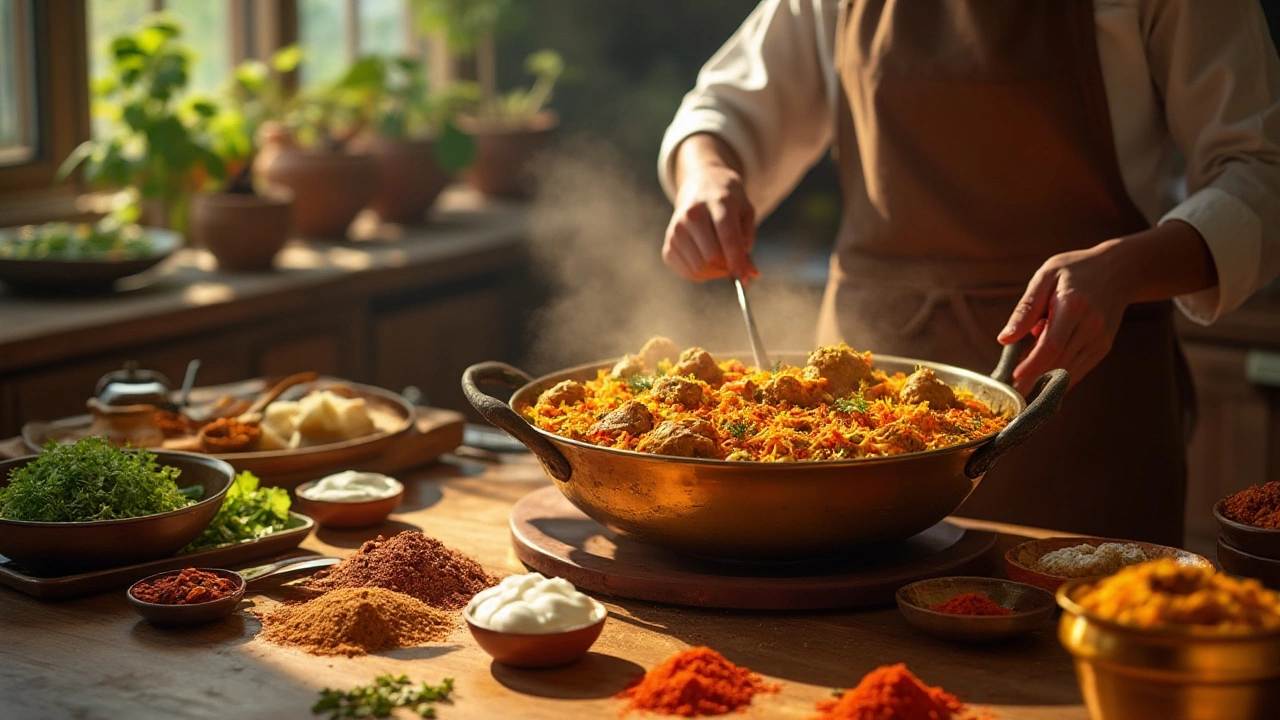
When you think of juicy chicken, chicken that’s tender, moist, and full of flavor from head to bone, you’re not just thinking about cooking—you’re thinking about texture, timing, and tradition. In Indian kitchens, juicy chicken isn’t accidental. It’s the result of smart marinating, controlled heat, and spices that don’t just sit on top but work their way deep into the meat. This isn’t about dousing chicken in sauce. It’s about making every bite feel like it was meant to be this good.
Chicken marinade, a mix of yogurt, spices, and acid that breaks down fibers and holds in moisture is the secret weapon. Yogurt doesn’t just add tang—it softens the meat without turning it mushy. Add garlic, ginger, cumin, coriander, and a touch of turmeric, and you’ve got more than flavor—you’ve got protection. The spices form a crust that seals in steam during cooking, keeping the inside tender even when the outside gets a little char. Tandoori chicken, a classic Indian method using high-heat clay ovens is the gold standard, but you don’t need a tandoor. A hot oven, grill, or even a cast iron skillet works just fine. The key? Don’t rush the marinade. Let it sit for at least 4 hours, preferably overnight. Skip this step, and you’re just cooking dry chicken with spices on top.
Then there’s the chicken curry, a slow-simmered dish where liquid turns into flavor. Here, juicy chicken comes from choosing the right cut—thighs over breasts, because they have more fat and connective tissue that melts into richness. Simmer gently. Don’t boil. Let the sauce thicken around the meat, not drown it. Add tomatoes, onions, and a splash of cream or coconut milk, and you’ve got a dish where every piece of chicken feels like it’s been wrapped in comfort. The spices? They’re not just for taste. Cinnamon, cardamom, and cloves help break down proteins over time, making the meat fall-apart tender without falling apart completely.
What makes Indian-style juicy chicken different from other methods? It’s the layering. Not just of flavor, but of technique. Marinate, sear, simmer. Repeat. And always, always let it rest before serving. That pause lets the juices redistribute. Cut into it too soon, and you lose everything. The best chicken doesn’t just taste good—it feels good in your mouth. It’s not dry. It’s not rubbery. It’s the kind of chicken you close your eyes for.
You’ll find all of this in the posts below. Real recipes. Real fixes. Real results. No fluff. Just how to make chicken that stays juicy, even after it leaves the pan.