Junk Food: What It Really Means in India and Why It’s Not What You Think
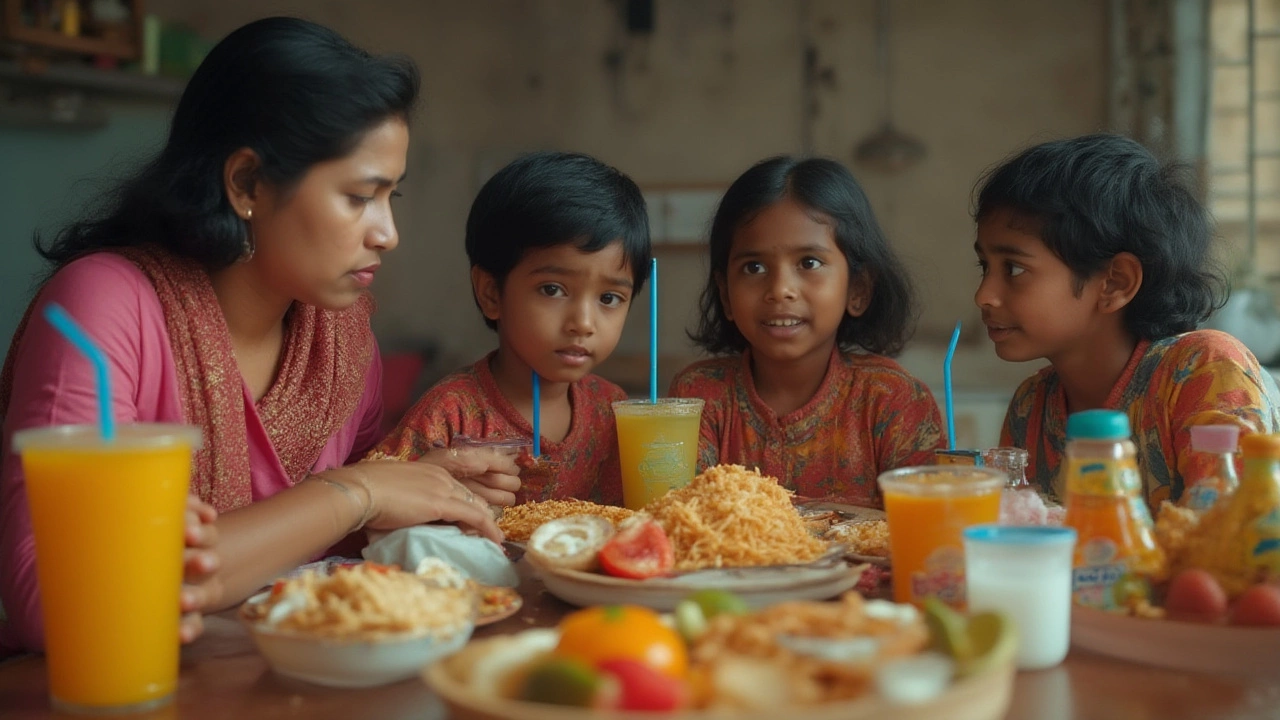
When people say junk food, cheap, highly processed snacks with little nutritional value. Also known as fast food, it’s often linked to burgers, fries, and soda—but in India, the story is messier. You can walk down any street in Delhi, Mumbai, or Jaipur and see people eating hot, crispy samossa, deep-fried pastry filled with spiced potatoes and peas, or biting into a pav bhaji, a buttery bread sandwiched with spiced mashed vegetables. Are these junk food? Technically, yes—they’re fried, salty, and often eaten fast. But they’re also made fresh, packed with vegetables, and tied to daily life in a way a packaged chip never is.
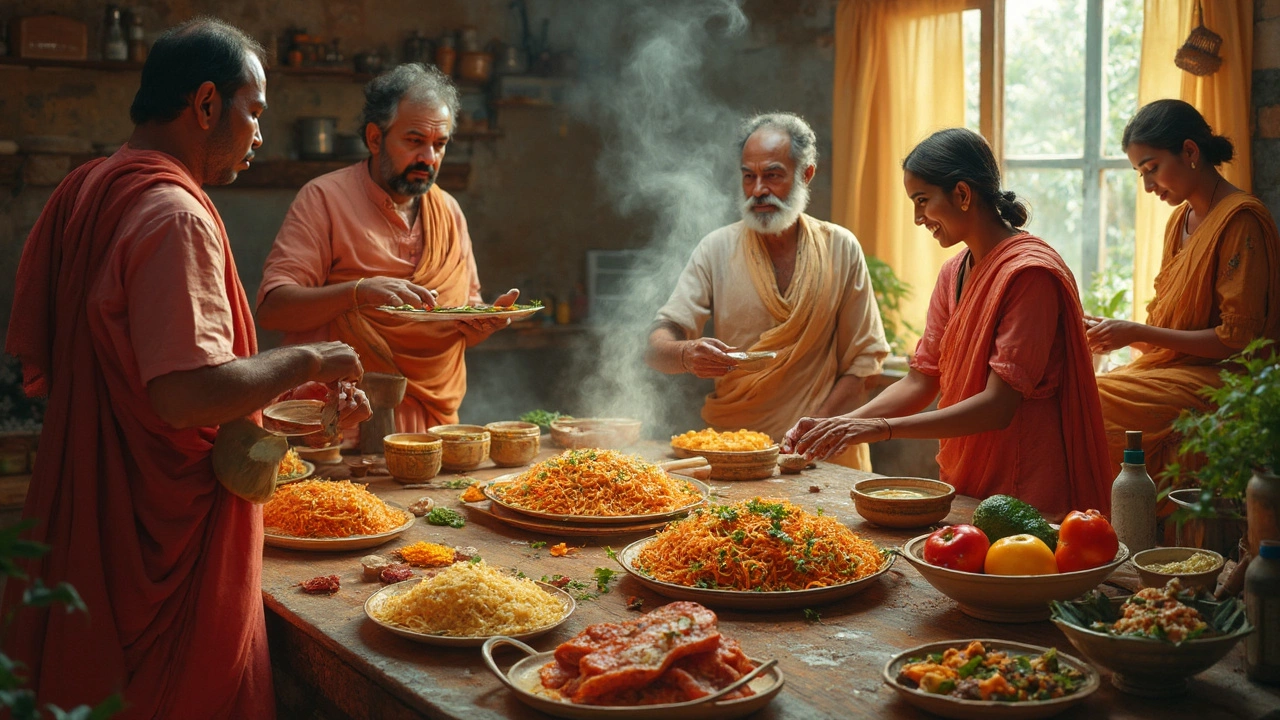
The real problem isn’t the food itself—it’s how we label it. In India, street food, locally made, often cooked-to-order snacks sold by vendors is the backbone of urban eating. It’s cheap, fast, and delicious. But because it’s fried or sugary, it gets thrown into the same bucket as frozen pizzas and energy drinks. That’s misleading. A freshly made chaat, a tangy, spicy snack with yogurt, chickpeas, and tamarind has protein, fiber, and natural spices. A bag of chips? Just salt, oil, and additives. One is part of a culture. The other is a global product designed to be addictive.
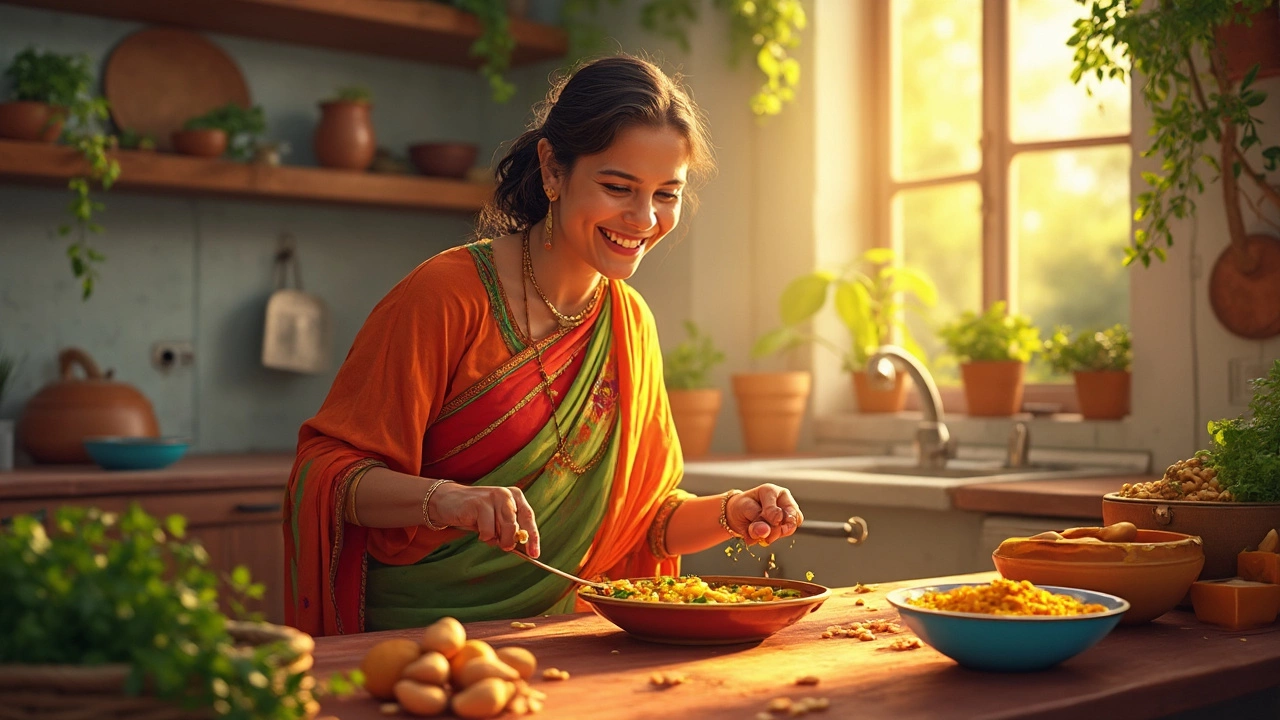
And here’s the twist: some of the most popular junk food in India is actually being reinvented. People are swapping refined flour for millet in samosas, using jaggery instead of sugar in chutneys, and frying in mustard oil instead of palm oil. Even the big chains are starting to offer paneer tikka wraps and masala omelette rolls. The line between comfort food and unhealthy snack is blurring—and that’s a good thing.
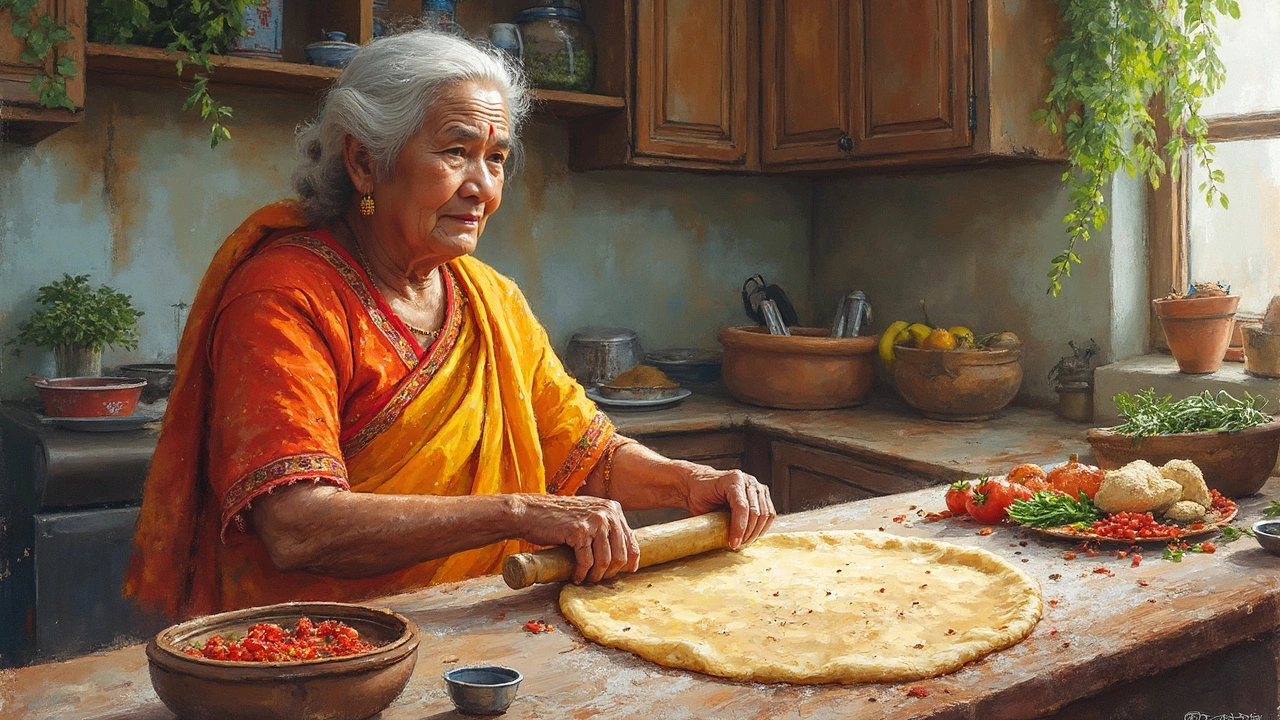
What you’ll find in the posts below isn’t a list of foods to avoid. It’s a look at how Indian food culture handles the idea of indulgence. You’ll read about the hidden non-vegetarian ingredients in supposedly vegetarian snacks, why chutney temperature changes the whole experience, and how something as simple as dosa batter can be made healthier without losing crunch. There’s no moralizing here—just real talk about what people actually eat, why they eat it, and how to make smarter choices without giving up flavor.