National Sweet of India: What It Is, Why It Matters, and the Foods That Define It
There’s no official national sweet of India, a category that doesn’t exist in government records but is deeply felt in every home, festival, and street corner across the country. Also known as Indian desserts, these sweets aren’t just sugar and flour—they’re memory, tradition, and celebration rolled into one bite. You won’t find it in a law book, but ask anyone from Delhi to Chennai what they reach for on Diwali, Eid, or a wedding, and the answer is the same: something sticky, syrupy, and golden.
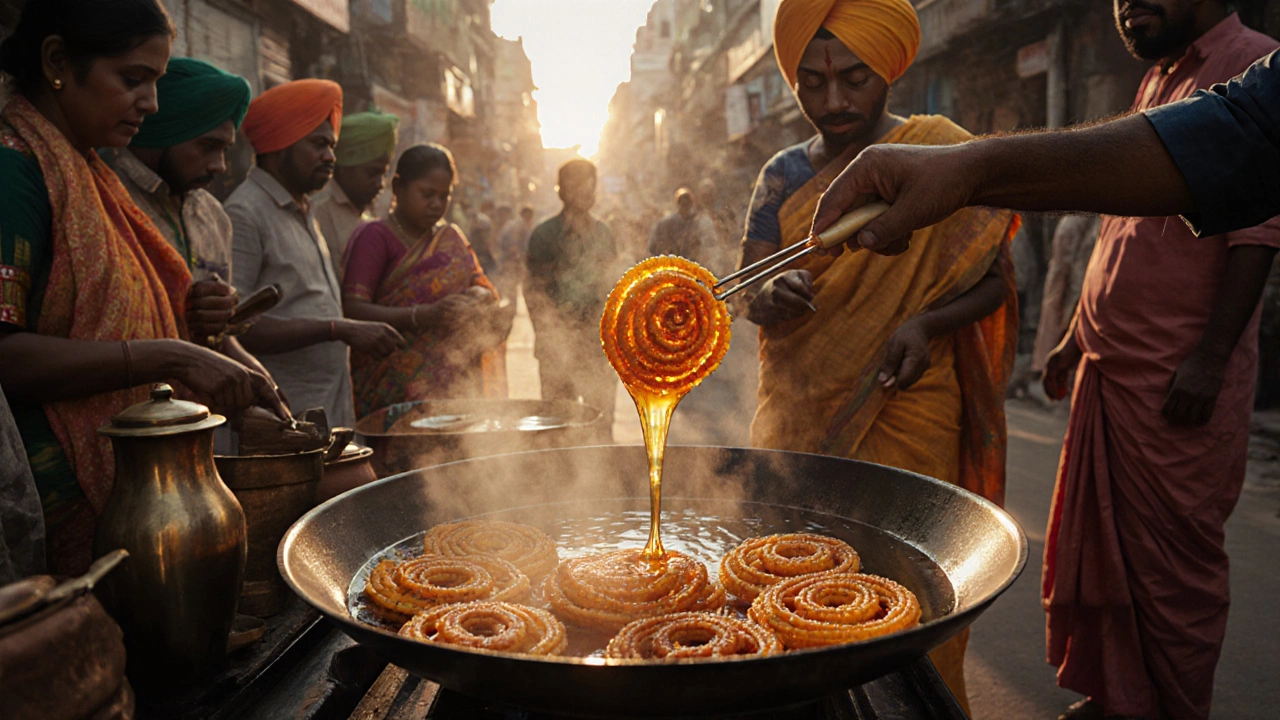
The real winners? jalebi, a deep-fried swirl soaked in sugar syrup, crisp on the outside, melt-in-your-mouth inside, and sold by vendors before sunrise. Then there’s gulab jamun, soft milk-solid dumplings fried and drowned in cardamom-scented syrup, often served warm at the end of a meal. And let’s not forget mysore pak, a dense, buttery confection from Karnataka made with gram flour, sugar, and ghee—so rich it practically melts on the tongue. These aren’t just recipes. They’re cultural artifacts passed down through generations, with each family tweaking the spice, the fry time, or the syrup thickness like a secret code.
What ties them together? They’re all made with ingredients you’ll find in nearly every Indian kitchen: milk solids, sugar, ghee, cardamom, and sometimes saffron. They don’t need fancy tools—just a kadhai, a spoon, and patience. Unlike Western desserts that lean on cream and eggs, Indian sweets thrive on slow cooking, syrup absorption, and the magic of frying. They’re served at births, funerals, festivals, and just because. You’ll find them in temple offerings, in roadside stalls, and in tins passed down from grandmothers.
And here’s the thing: if you’ve ever eaten an Indian meal, you’ve probably had one of these. They’re the final note on the plate, the sweet counterpoint to spicy curries and tangy chutneys. They’re not dessert in the Western sense—they’re the emotional punctuation mark of a meal. That’s why, even though India has hundreds of regional sweets—from rasgulla in Bengal to peda in Mathura—these three rise above the rest. They’re the ones you remember, the ones you crave, the ones you make again and again.
Below, you’ll find real stories and practical guides from Indian kitchens—how to fix sticky jalebi batter, why your gulab jamun sinks, what oil works best for mysore pak, and how to serve them right. No fluff. Just what works, what doesn’t, and why it matters.