Paneer Tips: Best Ways to Use Paneer in Indian Cooking
When you think of paneer, a fresh, non-melting Indian cheese made by curdling milk with lemon juice or vinegar. Also known as Indian cottage cheese, it's the backbone of countless vegetarian dishes across India—from creamy paneer butter masala to crispy paneer tikka. Unlike Western cheeses, paneer doesn’t melt. That’s not a flaw—it’s the feature. It holds its shape when grilled, fried, or simmered in gravy, making it perfect for home cooks who want protein-rich, satisfying meals without meat.
But paneer can turn rubbery, dry, or bland if you don’t handle it right. The key is in the prep. Soaking paneer in warm water for 10 minutes before cooking keeps it soft. If you’re frying it, pat it dry first—wet paneer splatters and absorbs too much oil. And never skip marinating it, even for a quick 30 minutes. A mix of yogurt, ginger-garlic paste, turmeric, and a pinch of chili powder makes all the difference. This isn’t just flavor—it’s texture science.
When you buy paneer, check the texture. Good paneer should be firm but springy, not crumbly or watery. Avoid pre-packaged blocks that feel slimy—that’s old. Homemade paneer lasts 2-3 days in the fridge, but if you freeze it, thaw it slowly in the fridge overnight. Frozen paneer actually absorbs sauces better after thawing. And yes, you can use it in pizza. Crumbled paneer on top of a tomato base with cumin and green chilies? That’s Indian-style pizza magic.
Paneer isn’t just for curries. It’s in snacks, salads, wraps, and even breakfasts. Crispy paneer cubes tossed with onions, capsicum, and a dash of chaat masala? That’s street food gold. Stir-fried paneer with soy sauce and garlic? That’s fusion done right. The trick is treating it like a blank canvas—it takes on whatever flavor you give it.
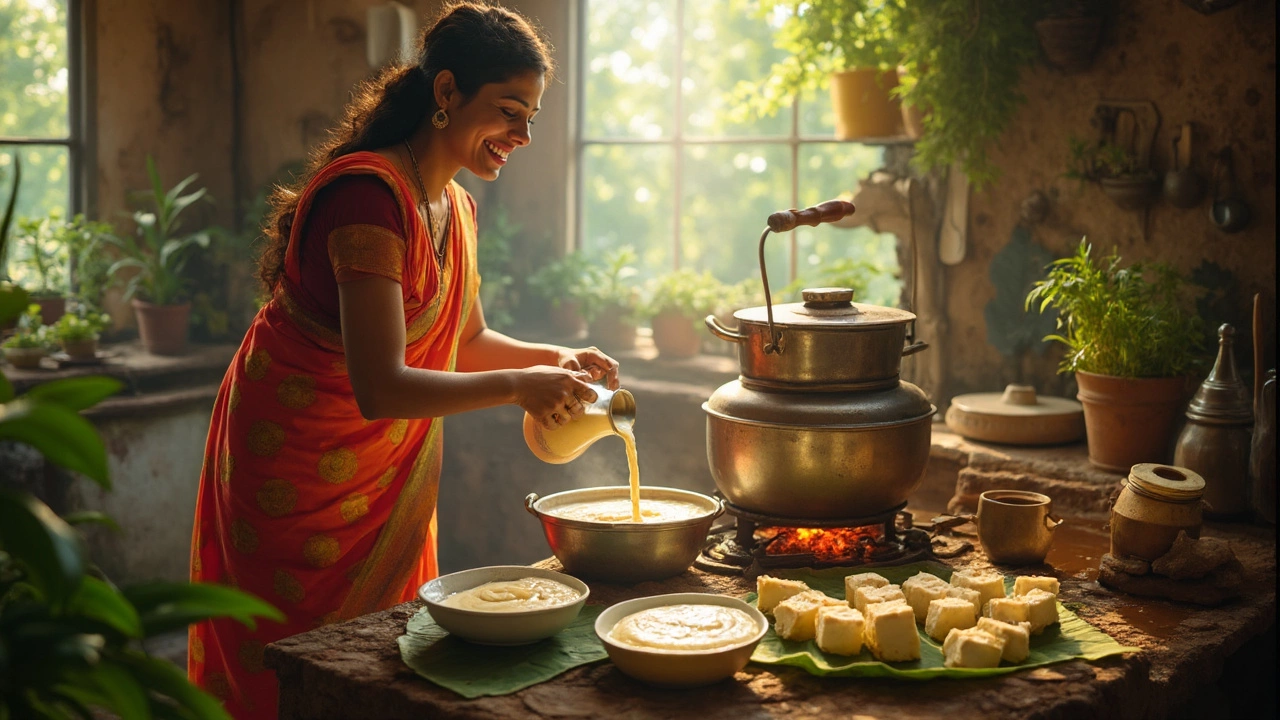
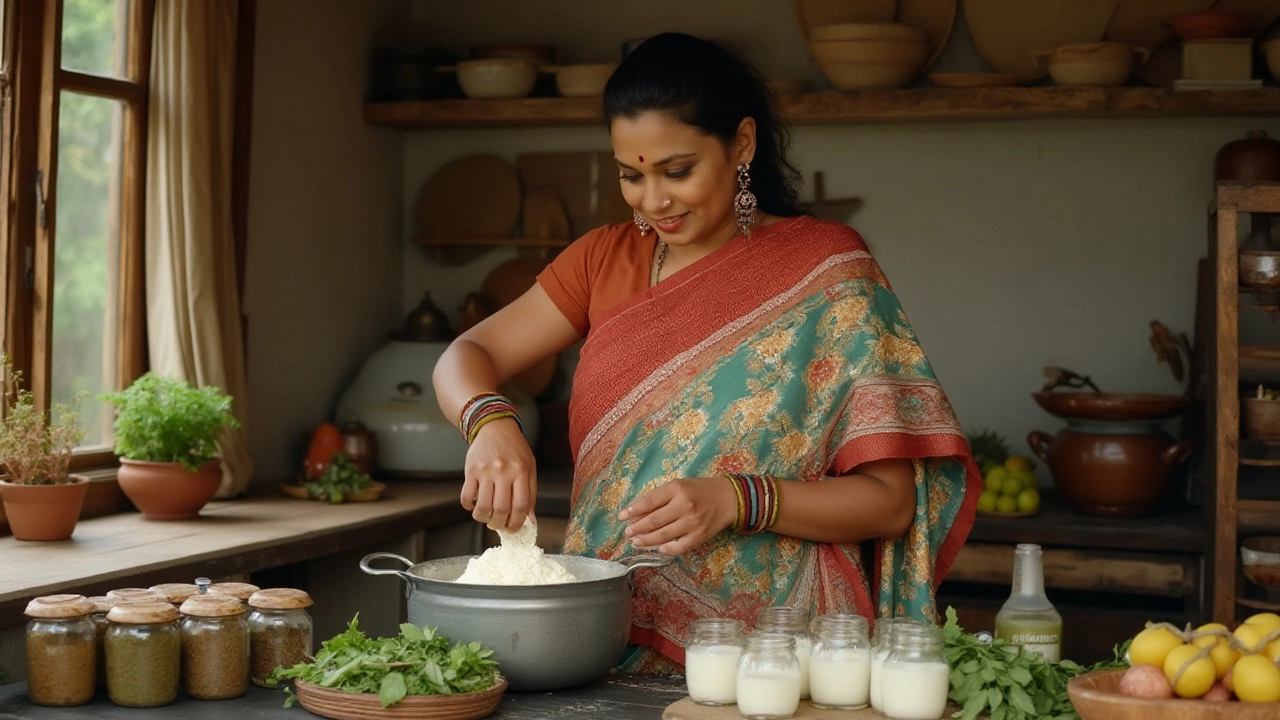
People often confuse paneer with cottage cheese. They’re similar, but paneer is pressed firmer and has no whey left behind. That’s why it holds up in high-heat cooking. Cottage cheese falls apart. Paneer doesn’t. If you’re outside India and can’t find paneer, make your own. Heat milk, add lemon juice, strain it in a cloth, weigh it down for an hour. Done. No fancy equipment. No mystery.
And here’s the real secret: paneer tastes best when it’s not the star. Let it play off bold spices—cumin, coriander, garam masala, smoked paprika. Let it soak up the gravy. Let it sit next to a tangy chutney or a fresh salad. That’s how Indian kitchens work—balance, not dominance.
Whether you’re making paneer tikka for a weekend grill, tossing it into a biryani, or melting it into a pizza crust, these little tricks make the difference between good and unforgettable. Below, you’ll find real tips from real cooks—how to fix dry paneer, how to get that perfect char, how to use it in snacks that actually satisfy. No fluff. Just what works.