Preserves: Indian Chutneys, English Jams, and How They Shape Flavor
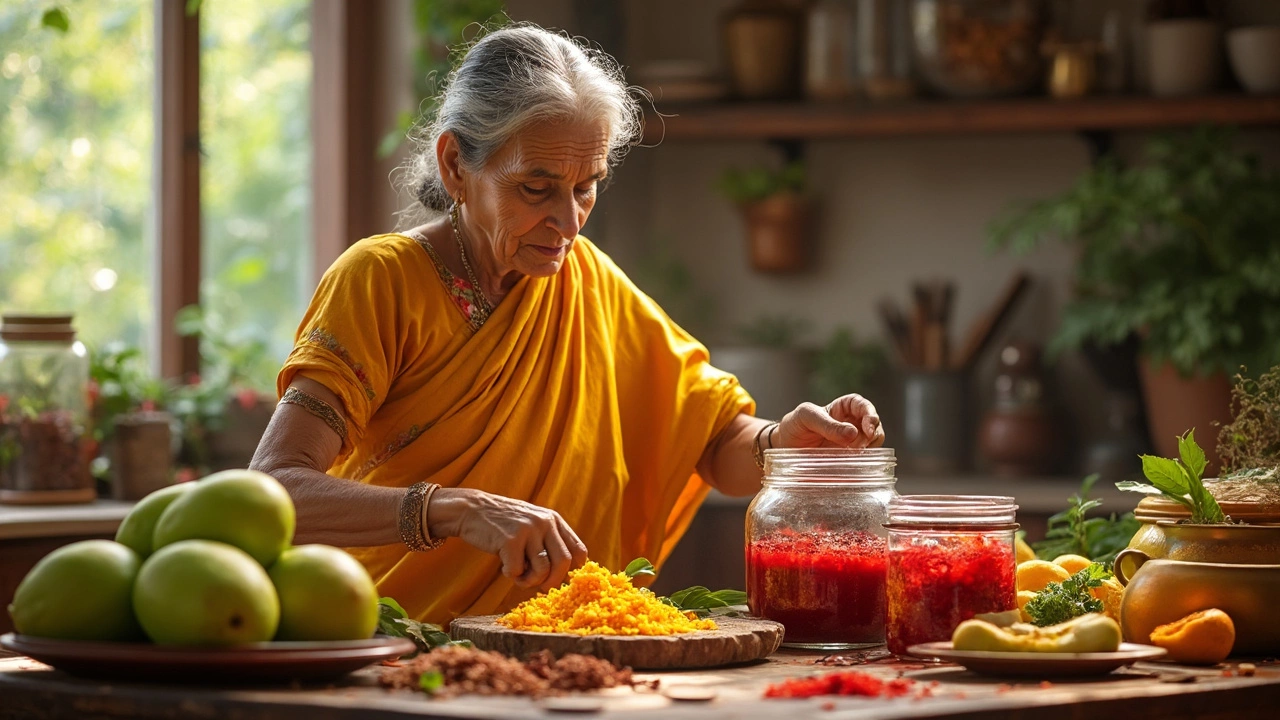
When we talk about preserves, food products made by cooking fruit, vegetables, or herbs with sugar or vinegar to extend shelf life. Also known as jams, chutneys, and pickles, it's not just about saving food—it's about locking in taste that lasts for months, even years. In Indian kitchens, preserves aren’t sweet treats alone—they’re spicy, tangy, and packed with spices like mustard seeds, fenugreek, and dried red chilies. In British tradition, preserves are often sweet, slow-cooked jams served with cheese or cold roast meats. Both styles are rooted in necessity, but they’ve become essential to how we experience flavor.
Indian chutney, a thick, flavorful condiment made from fresh or cooked fruits, vegetables, and spices. Also known as chatni, it’s the soul of every meal—from dosa and idli to biryani and paratha. Unlike Western jams, Indian chutneys often skip sugar entirely, relying on tamarind, mango, or coconut for natural sweetness. Then there’s English chutney, a slow-cooked, vinegar-based preserve with apples, onions, and spices, born from colonial kitchens. Also known as British chutney, it’s less about heat and more about depth—perfect with sharp cheddar or leftover roast. Both are preserves, but they serve different roles: one wakes up the palate, the other comforts it.
Preserves don’t just sit on the shelf—they change how you cook. A spoonful of mango chutney turns plain yogurt into a quick raita. A dollop of English chutney lifts up a simple sandwich. Even turmeric, a key anti-inflammatory spice, often finds its way into preserves, adding color and health benefits. You’ll find these in recipes for dosa batter, chicken curry, and even pizza toppings at Pizza Paradise India, where Indian flavors meet Italian crusts.
What you’ll find in the posts below isn’t just a list of recipes. It’s a look at how preserves are made, when to serve them warm or cold, which spices they hide or reveal, and how they connect to everyday food culture—from street snacks to Sunday dinners. You’ll learn why jalebi is India’s unofficial national sweet, how chutney differs from relish in the U.S., and what makes a preserve last without refrigeration. These aren’t just storage tricks—they’re flavor secrets passed down through generations.