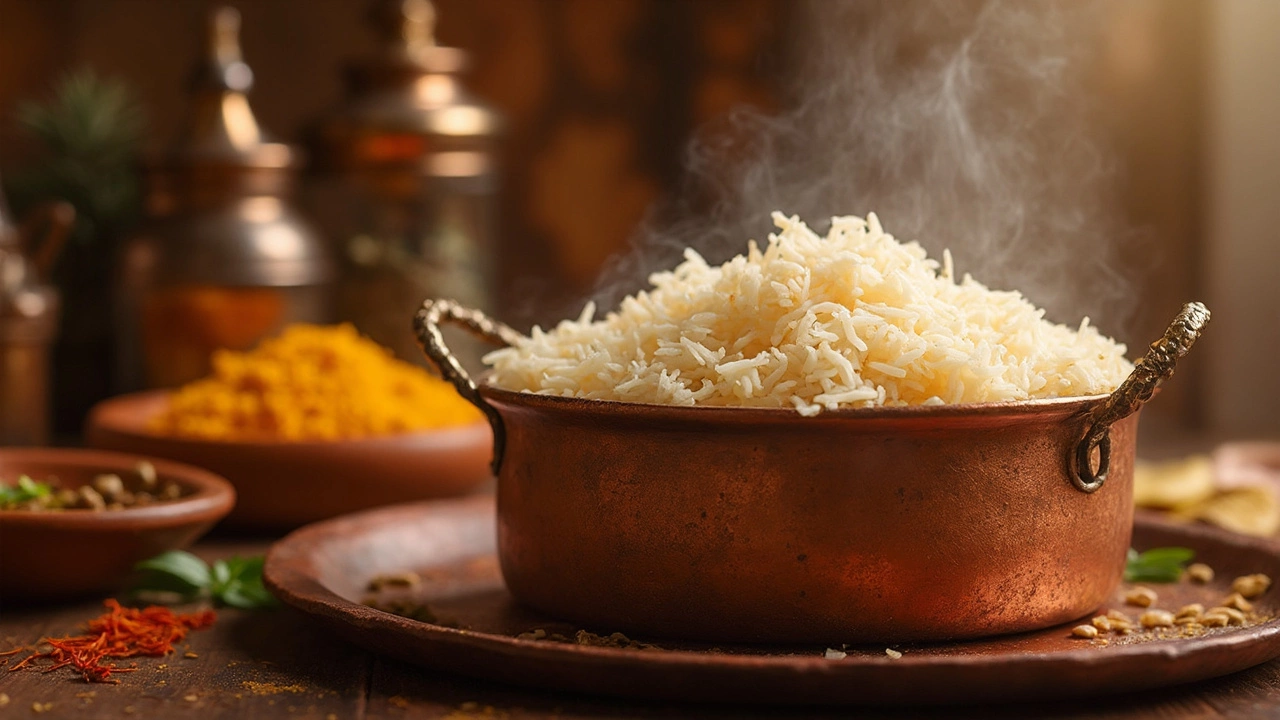
Rice Preparation: How to Cook Perfect Rice for Indian Dishes
When you think of rice preparation, the process of cleaning, soaking, and cooking rice to achieve the right texture for Indian meals. Also known as rice cooking techniques, it's not just about boiling grains—it's about matching the method to the dish you're making. Whether you're making fluffy basmati for biryani, soft idlis, or crispy dosa batter, the way you handle rice changes everything. Skip the shortcuts, and you’ll end up with mushy, sticky, or hard rice—even if your spices are perfect.
Most people mess up rice because they treat all types the same. basmati rice, a long-grain aromatic rice native to India, prized for its fragrance and separate grains when cooked. Also known as Indian long-grain rice, it needs less water and a gentle steam after boiling. urad dal to rice ratio, the key proportion used in fermented batters like dosa and idli, typically 1:3 or 1:4. Also known as dosa batter ratio, it determines how airy and crisp your final dish turns out. Get that wrong, and your dosa will be flat and tough. And don’t forget soaking—rice for idli or dosa needs at least 6 hours, sometimes overnight. Skipping it doesn’t save time; it ruins texture.
Water ratios matter more than you think. For every cup of basmati, use 1.25 to 1.5 cups of water—not two. Too much water turns rice into glue. For short-grain rice used in kheer or pulao, you might need more, but never guess. Measure it. Heat control is just as important. Once the water boils and the rice is added, drop the flame low and cover tight. Let it steam. Don’t lift the lid. That’s how restaurants get perfect rice every time. Even the type of pot changes things—thick-bottomed ones distribute heat evenly. A thin pan? You’ll get burnt spots and undercooked centers.
You’ll find posts here that break down exactly how much baking soda to add to dosa batter, why your roti turns hard after cooking, and how to fix tough chicken curry—but none of that matters if your rice is off. Rice is the base for half the meals in Indian kitchens. It holds curries, wraps spices, and balances heat. Master rice preparation, and you’re already halfway to nailing every dish on the table. Below, you’ll find real, tested advice from home cooks and street vendors on how to get rice right—every single time.