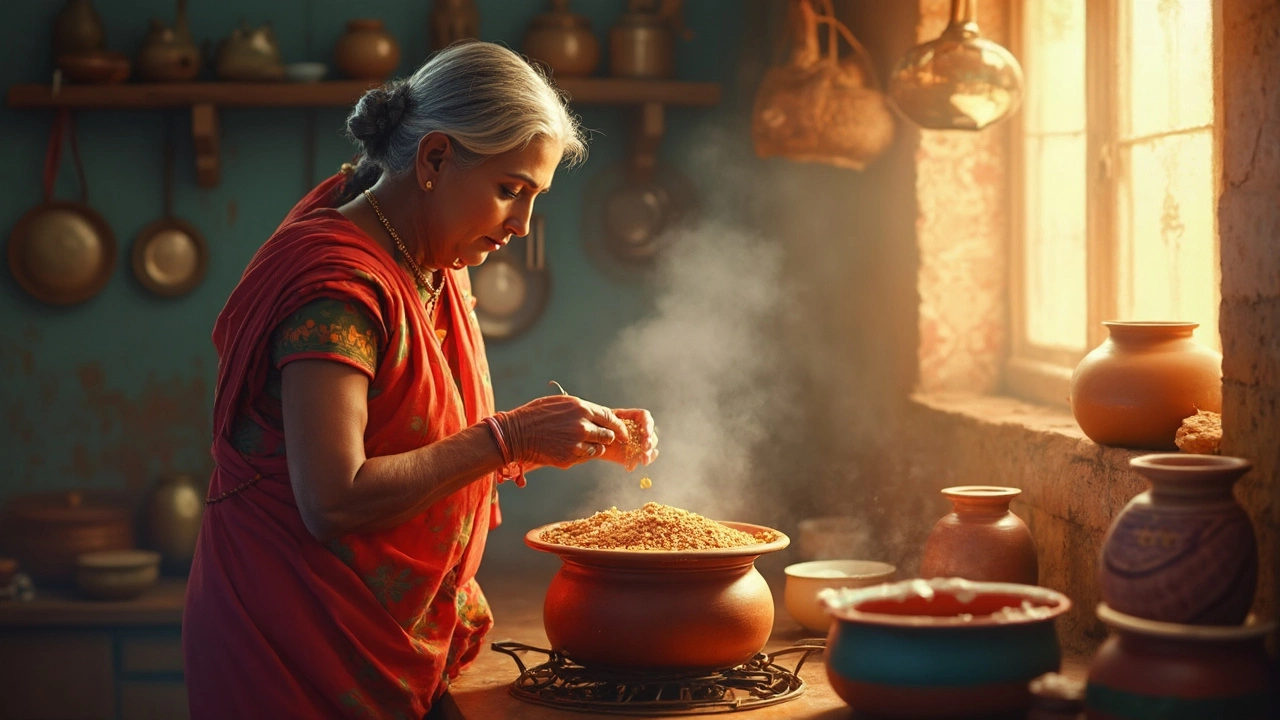
Soaking Tips for Perfect Indian Batters and Doughs
When you're making soaking tips, the process of letting ingredients like urad dal and rice sit in water before grinding to build texture and fermentation. This isn't just a step—it's the foundation of fluffy dosas, soft idlis, and crisp appams. Skip it, and you’ll end up with dense, gummy batter that won’t rise. Get it right, and your kitchen smells like a South Indian breakfast stall at dawn.
Most people think soaking is just about time—"soak for 6 hours"—but it’s not that simple. The real trick is urad dal, a lentil that swells dramatically and turns creamy when soaked properly. It needs at least 4–6 hours in cool water, and the water should be changed once if it’s hot outside. Don’t soak it too long or it’ll turn slimy. Pair it with rice, a grain that absorbs water slowly and adds structure. The classic ratio? 1 part urad dal to 3 parts rice. Too much rice? Your batter won’t ferment well. Too little? It’ll fall flat.
Temperature matters more than you think. If you live in a cold city like Delhi or Shimla, soak your dal and rice in warm water—around 30°C—or place the bowl near a heater. Fermentation doesn’t happen in the cold. Some cooks even wrap the bowl in a towel and leave it by a window with morning sun. It’s not magic—it’s science. And if you’re in a hurry? A 30-minute soak in warm water plus a pinch of baking soda can save your day, though it’s not the same as proper fermentation.
Don’t forget the water quality. Hard water with high minerals can slow down fermentation. If your tap water tastes metallic or leaves white residue, use filtered or bottled water for soaking. And always drain the soaking water before grinding—don’t use it in the batter. That water holds starch and impurities that make your batter heavy.
Soaking isn’t just for dal and rice. Even when you’re making chutney powders or snack batters, soaking spices like fenugreek seeds or coriander seeds for 15 minutes makes them grind smoother and releases more flavor. Same goes for cashews in creamy sauces—they soften up and blend better. It’s all connected.
What you’ll find below isn’t a list of random recipes. It’s a collection of real, tested advice from kitchens across India. From the exact urad dal to rice ratio, the golden standard for flawless dosa and idli batter to why some cooks soak their batter overnight while others skip it entirely, you’ll see the patterns. You’ll learn how to fix soggy idlis, why your dosas stick, and how to tell if your batter is ready without guessing. These aren’t tips from a blog post. They’re the kind of things your aunty or street vendor would tell you if you asked nicely.