Soft Roti Tips: How to Make Tender Indian Flatbreads Every Time
When you pull a soft roti, a traditional Indian flatbread made from whole wheat flour, water, and a pinch of salt. Also known as chapati, it's the everyday bread that holds curries, chutneys, and comfort in every fold. But if yours come out stiff or dry, you’re not alone. The difference between a roti that melts in your mouth and one that could double as a doorstop isn’t magic—it’s technique.
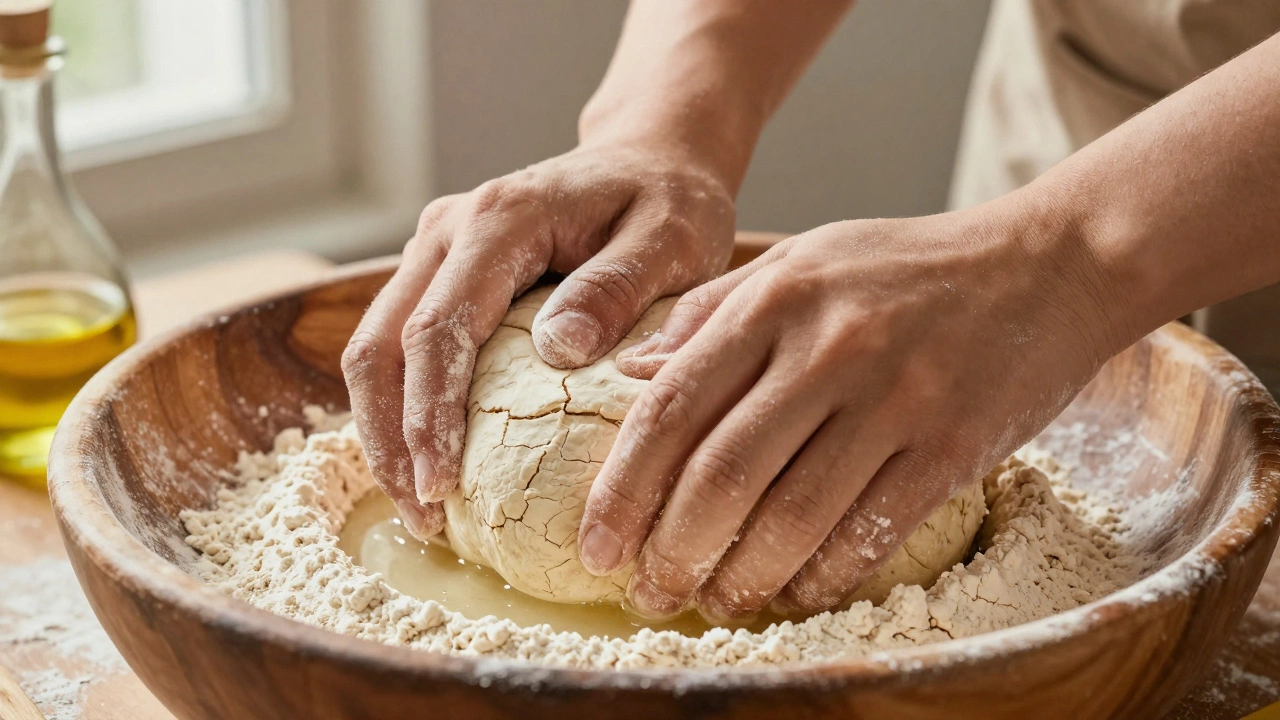
It all starts with the dough. Too dry, and it cracks. Too wet, and it sticks to everything. The sweet spot? Hydration. Most people use too little water—around 50% of the flour weight. But for truly soft rotis, aim for 60-65%. Let the dough rest for at least 30 minutes. This isn’t just waiting—it’s letting the gluten relax so the roti stretches without tearing. And don’t skip the oil. A light rub on the dough ball before resting keeps moisture locked in. It’s the same trick restaurants use.
Heat matters just as much. A cold tawa? You’ll get hard, uneven rotis. Your skillet needs to be hot—not smoking, but hot enough that a drop of water sizzles and dances. Press the roti gently with a dry cloth as it puffs up. That puff? That’s steam doing its job. If it doesn’t puff, your dough’s too dry or the heat’s too low. And never flip it too early. Wait for those first brown spots before turning. After cooking, stack them in a clean cloth. That little steam blanket keeps them soft for hours. No microwave, no plastic wrap—just cloth and patience.
It’s not about fancy tools or expensive flour. It’s about understanding how water, heat, and time work together. dough hydration, the ratio of water to flour in bread-making is the silent hero here. And roti texture, the soft, slightly chewy quality that makes roti satisfying to eat isn’t accidental—it’s repeatable. People think it’s about skill, but it’s really about consistency. Get the basics right, and you’ll make soft rotis even on a bad day.
You’ll find posts here that break down exactly how much water to use, why resting time isn’t optional, and what to do if your rotis still turn out tough. There are fixes for common mistakes—like using cold water, skipping the oil, or flipping too soon. You’ll also see how storage affects texture, and why some people swear by adding a bit of milk or yogurt. These aren’t theories. These are the tricks used in homes across India, tested over decades, written down so you don’t have to guess.