Split Lentils: How Indian Kitchens Use Them in Dals, Snacks, and More
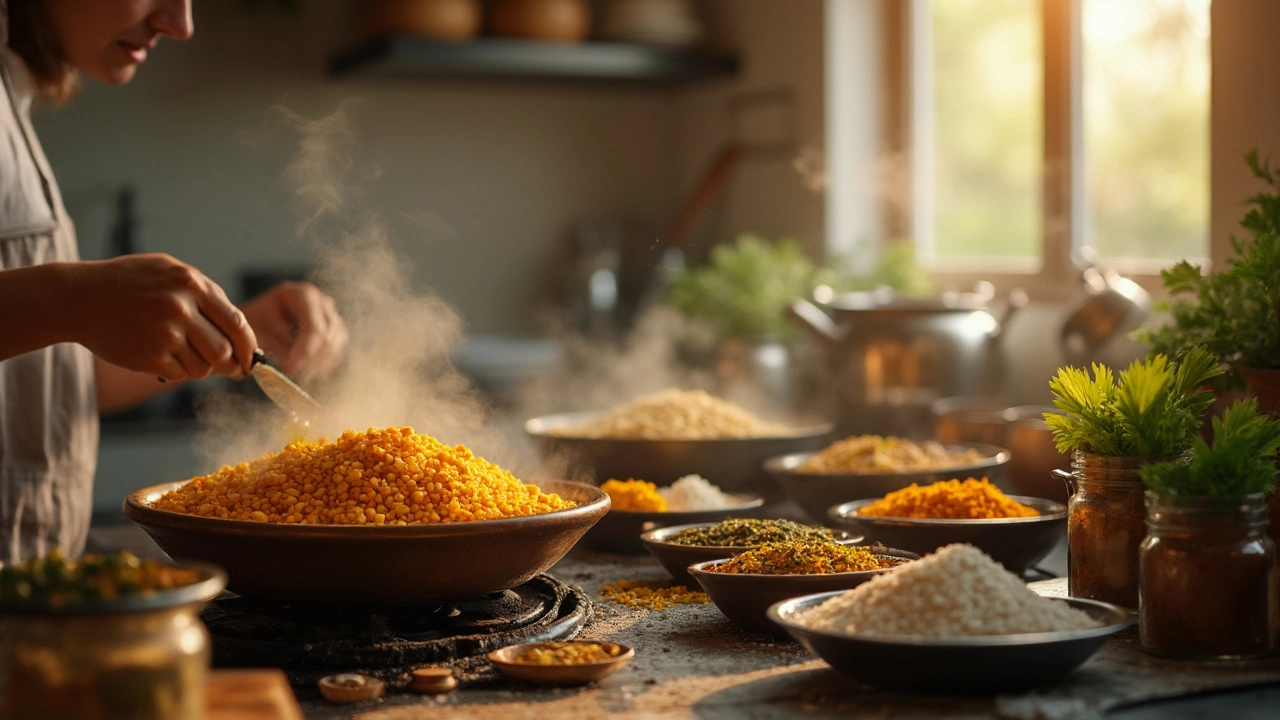
When you think of Indian food, you probably think of spices, curry, and rice—but you shouldn’t overlook split lentils, dried, hulled, and split pulses that form the base of countless Indian meals. Also known as dals, they’re what make dal makhani rich, idlis fluffy, and dosas crispy. These aren’t just side dishes—they’re the quiet heroes of Indian kitchens, used daily by millions for their protein, affordability, and versatility.
Split lentils come in many forms, and each has its own role. Urad dal, black gram split and skinned, is the secret behind perfect fermentation in dosa and idli batter. It’s the reason your batter rises without yeast. Masoor dal, red lentils that cook fast and turn creamy, is the go-to for quick weeknight dals. Then there’s chana dal—split chickpeas—that adds crunch to snacks and texture to curries. These aren’t interchangeable. Using the wrong one changes the dish completely. That’s why recipes like the ideal urad dal to rice ratio for perfect dosa matter so much.
Split lentils aren’t just about flavor—they’re about function. They bind, thicken, ferment, and add protein without meat. That’s why they’re essential in vegetarian diets across India. Many Indian households eat dal at least once a day, often twice. And it’s not just boiled and served. Split lentils are fried into papads, ground into batters for snacks, or roasted and spiced into crunchy namkeen. They’re the base of high-protein Indian snacks that keep people full without relying on dairy or eggs. Even when people avoid gluten or meat, split lentils are still there—reliable, cheap, and packed with nutrients.
What you won’t find in a grocery store in the U.S. is how deeply these lentils are woven into daily life. In India, you don’t buy lentils for one recipe—you buy them for the week. A single bag lasts through dals, snacks, breakfasts, and even desserts like khichdi. They’re not fancy. They don’t need to be. But get them right, and they make everything else taste better. That’s why so many posts here focus on the small details: how much baking soda to add to dosa batter, why your roti turns hard, or how to fix tough chicken curry. It’s all connected. The same principles of texture, timing, and balance apply whether you’re working with lentils, dough, or spices.
Below, you’ll find real kitchen-tested guides on how split lentils are used—from the perfect urad dal ratio to how they show up in anti-inflammatory dals and protein-rich snacks. No theory. No fluff. Just what works in Indian homes.