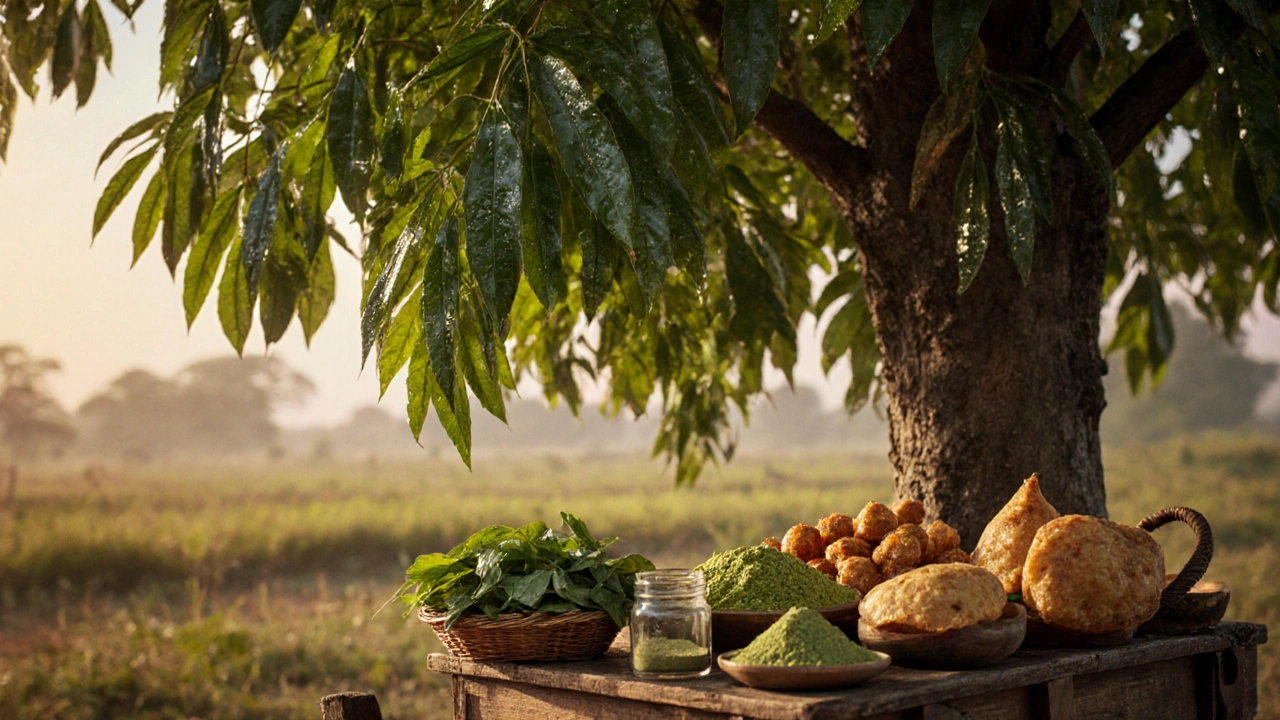
Superfood India: Power Foods That Fuel Indian Kitchens
When people talk about superfood India, natural, nutrient-dense foods deeply rooted in Indian culinary traditions. Also known as Indian functional foods, these aren’t trendy imports—they’ve been feeding families for centuries. Think of turmeric, paneer, lentils, and millets—not because they’re labeled "super" by Western magazines, but because they actually work in real life: reducing inflammation, building muscle, and keeping digestion smooth.
Turmeric, the golden spice with curcumin as its active compound isn’t just for color in curries. It’s the #1 anti-inflammatory food in Indian homes, used daily in dal, milk, and even roasted vegetables. Paneer, a fresh, high-protein cheese made from curdled milk, is the go-to vegetarian protein for athletes, kids, and elders alike—no soy needed. And dal, lentil stew cooked with spices and often eaten daily, delivers fiber, iron, and plant-based protein in one bowl. These aren’t supplements. They’re breakfast, lunch, and dinner.
What makes Indian superfoods different? They’re not eaten alone. Turmeric works better with black pepper. Paneer pairs with spinach in palak paneer. Dal gets its punch from cumin and garlic. The power isn’t in the single ingredient—it’s in the combo. You won’t find a single Indian grandma popping a turmeric pill. She stirs it into rice. That’s the real science.
India’s superfoods are cheap, local, and proven. No exotic berries or expensive powders. Just what grows nearby and lasts through the seasons. Whether you’re looking to cut inflammation, boost protein without meat, or eat cleaner without giving up flavor, these foods already have your back. Below, you’ll find real kitchen-tested guides on how to use them—no fluff, no trends, just what works in Indian homes every day.