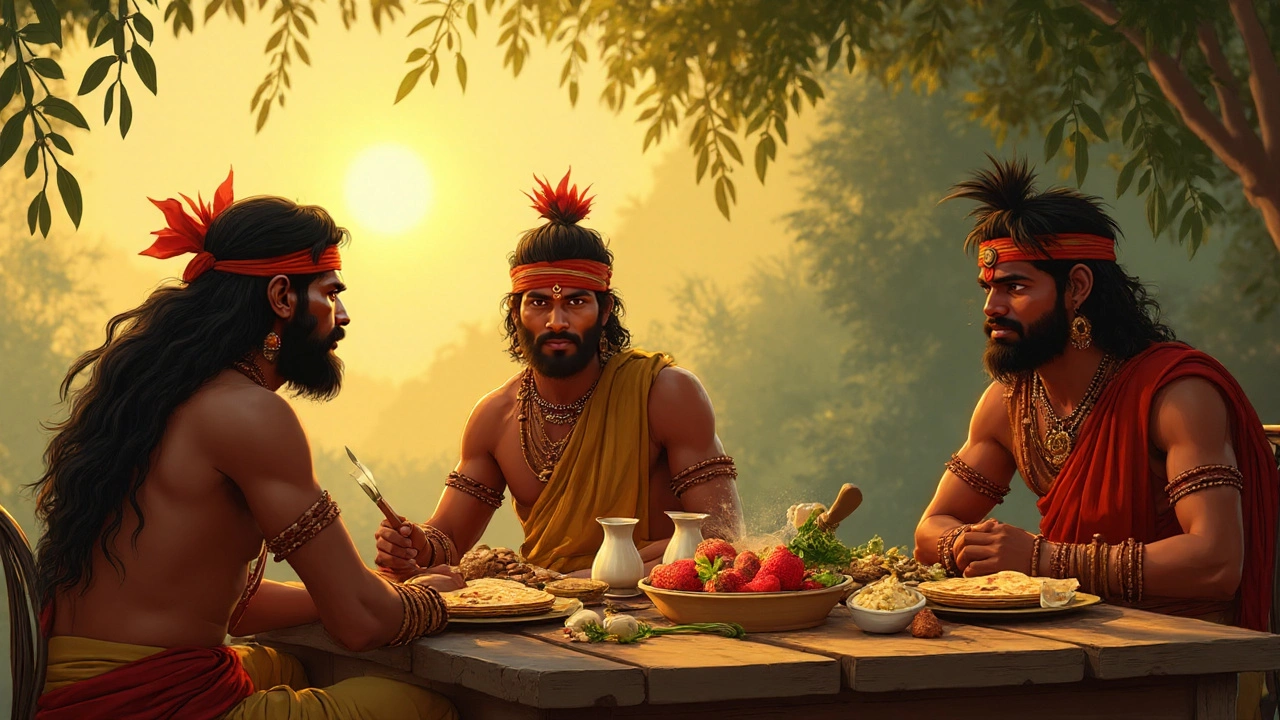
Traditional Breakfast in India: What People Actually Eat Every Morning
When you think of a traditional breakfast, a morning meal rooted in daily culture and regional ingredients. Also known as Indian morning food, it's not about pancakes or cereal—it's about steaming idlis, crispy dosas, and spicy chutneys served before the sun climbs high. In India, breakfast isn’t a single dish. It’s a rhythm. A ritual. Something passed down through generations, shaped by climate, crop cycles, and family habits.
Take New Delhi breakfast, a vibrant mix of street-side snacks and home-cooked staples. You’ll find people lining up for parathas stuffed with potato or paneer, dipped in yogurt and pickles, or sipping hot chai while eating puri-aloo. Down south, the same morning might mean fermented rice and lentil batter fried into dosas, served with coconut chutney and sambar. In Maharashtra, vada pav rules. In Bengal, it’s luchi with alur dom. These aren’t just meals—they’re local identities on a plate. And they’re not fancy. No avocado toast here. Just real food, made with care, eaten fast, and loved deeply.
What makes Indian breakfasts work is how they balance flavor, function, and tradition. The baking soda in dosa batter, a small but critical ingredient. Also known as leavening agent for fermented batters, it’s not just for fluffiness—it’s about timing, temperature, and texture. Too much, and it tastes bitter. Too little, and the dosa stays flat. Same with roti: the difference between soft and hard comes down to water, kneading, and how long you let it rest. These aren’t secrets. They’re everyday knowledge, passed from mother to daughter, aunt to nephew, stall owner to customer.
You won’t find a single national breakfast in India. That’s the point. What’s served in Punjab at dawn is nothing like what’s eaten in Kerala. But they all share one thing: they’re made fresh, eaten hot, and never rushed. Whether it’s a bowl of upma with peanuts and curry leaves, or a plate of poha tossed with mustard seeds and lemon, every bite carries history. And every morning, millions start their day the same way—no coffee needed, just chai and something warm in their hands.
Below, you’ll find real stories from real kitchens—how dosa batter ferments in monsoon heat, why chutney is served cold or warm depending on the season, and what hidden ingredients vegetarians should watch out for. No fluff. No tourist guides. Just the food people eat before work, before school, before the day begins.