Traditional Chutney: Indian Condiments Made Simple
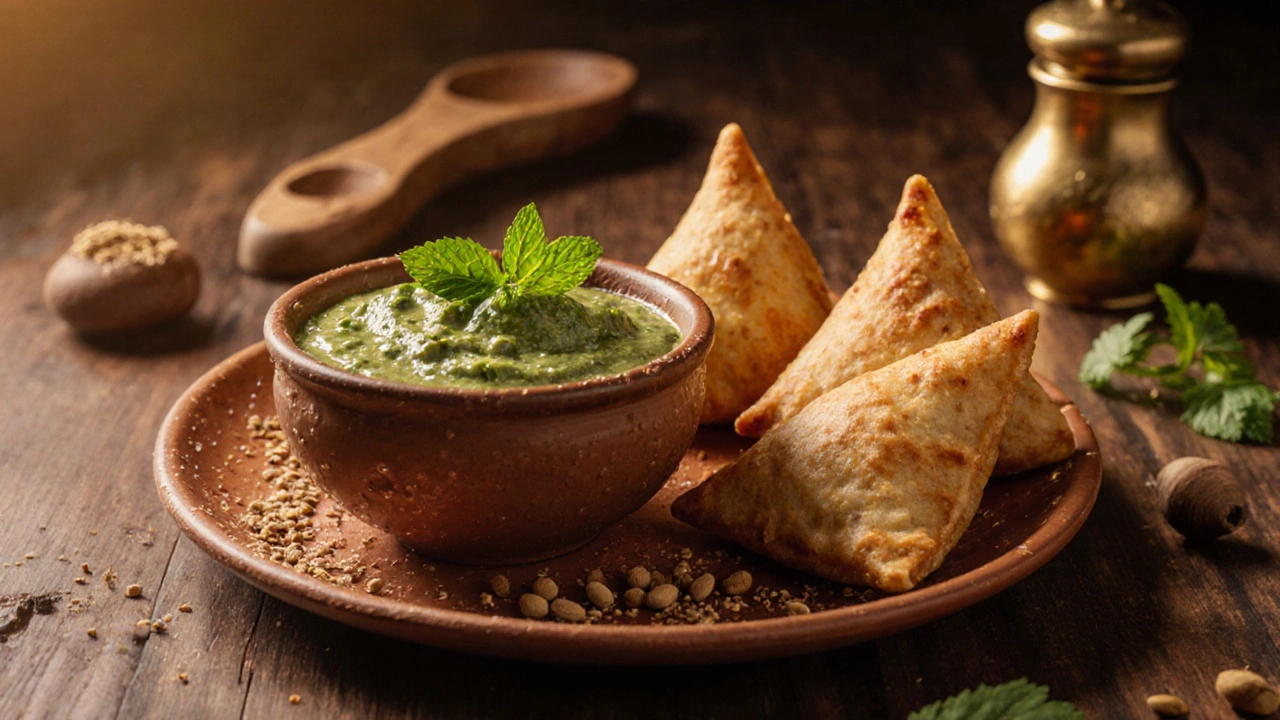
When you think of traditional chutney, a bold, fresh Indian condiment made from fruits, herbs, or vegetables blended with spices. Also known as chatni, it’s not just a side—it’s the flavor booster that turns a simple meal into something unforgettable. You’ll find it on street food stalls in Mumbai, tucked into dosas in Bangalore, and drizzled over samosas in Delhi. It’s not a garnish. It’s the soul of the dish.
There are two kinds you’ll see everywhere: green chutney, a spicy, herb-packed blend of cilantro, mint, green chilies, and lemon, and tamarind chutney, a sweet-tart sauce made from tamarind pulp, jaggery, and spices. Green chutney cuts through fried snacks like a zesty knife. Tamarind chutney balances the heat in chaat and gives that sticky-sweet punch you can’t ignore. Both are made fresh daily in homes and stalls across India—no preservatives, no shortcuts.
People don’t just eat chutney. They rely on it. A plate of pakoras without green chutney feels incomplete. A plate of pani puri without tamarind chutney? Unthinkable. It’s not about taste alone—it’s about balance. Heat, sour, sweet, earthy—all in one spoonful. And while Americans might call it "relish," that word doesn’t carry the same weight. Indian chutney isn’t bottled and shelf-stable. It’s alive. It changes with the season. Mint in summer, coriander in winter. Tamarind when the rains come. It’s tied to rhythm, not recipe.
What you’ll find in the posts below isn’t just recipes. It’s the stories behind the flavors. Why some families use roasted cumin in their chutney. Why others swear by dry mango powder instead of lemon. How a single chutney can define a region’s street food identity. You’ll learn how to make it at home without burning your tongue, how to store it without losing its punch, and why it’s the secret weapon in Indian-inspired pizzas too. No fluff. No theory. Just what works.